Build a Simple Robot
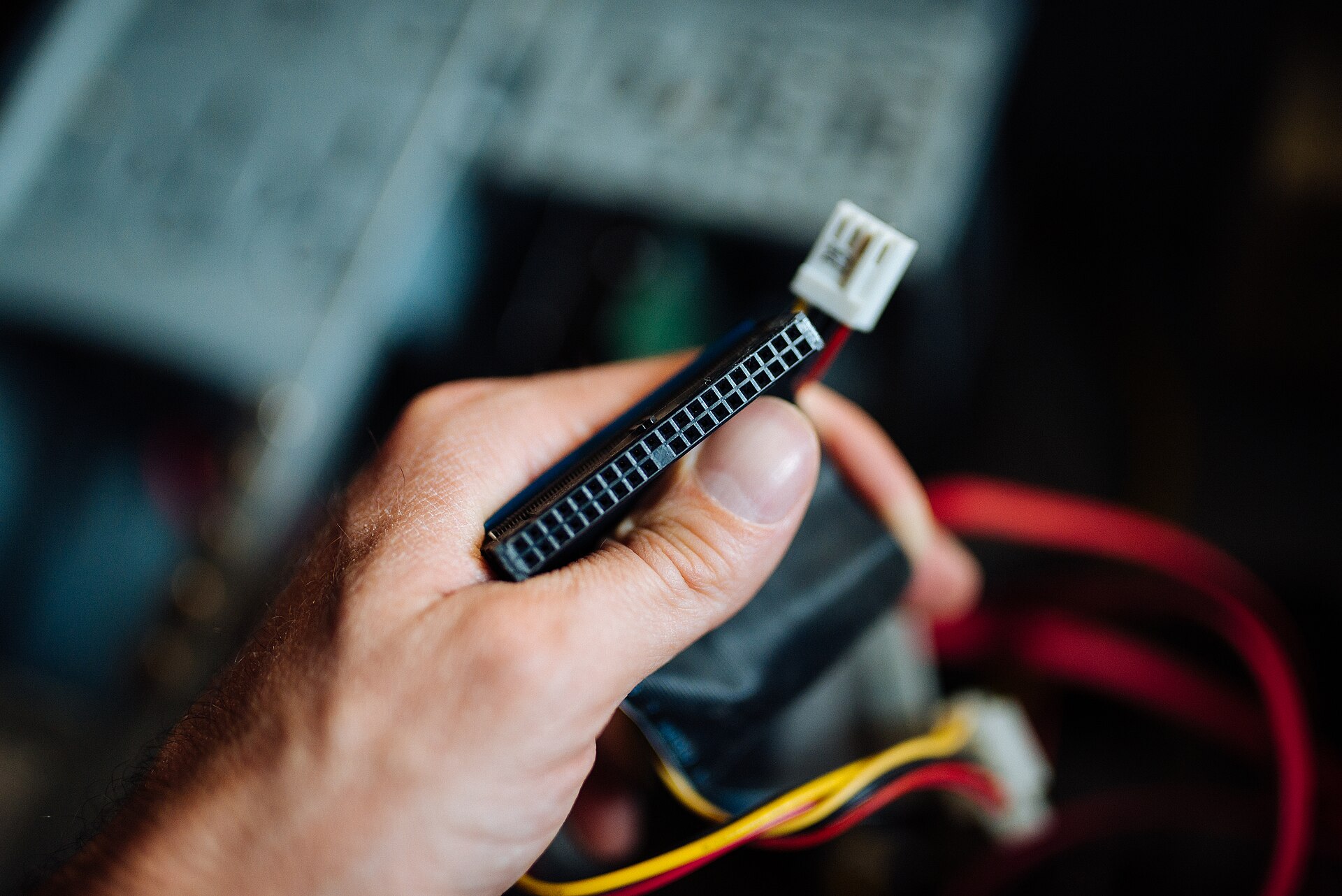
The first movement is usually small: a wheel turns, a sensor notices your hand or a tiny chassis corrects its path. After wires, code and patient troubleshooting, that motion feels disproportionately alive because you know every decision that made it happen. Start with a beginner kit or a proven low-voltage design using a microcontroller, motors and simple sensors. Build in stages, test each connection, label wires and change one thing at a time so faults remain understandable. Use low-voltage components, disconnect power before rewiring and follow battery, soldering and tool guidance. Work with supervision where age or experience requires it, ventilate soldering appropriately and do not connect a home-built circuit directly to mains electricity. Count it complete when the robot reliably performs one chosen behaviour, such as following a line or avoiding an obstacle, and you can explain the basic circuit and code. Add it if you want the satisfying moment when abstract instructions finally move through the physical world.