Catch a Wave Surfing
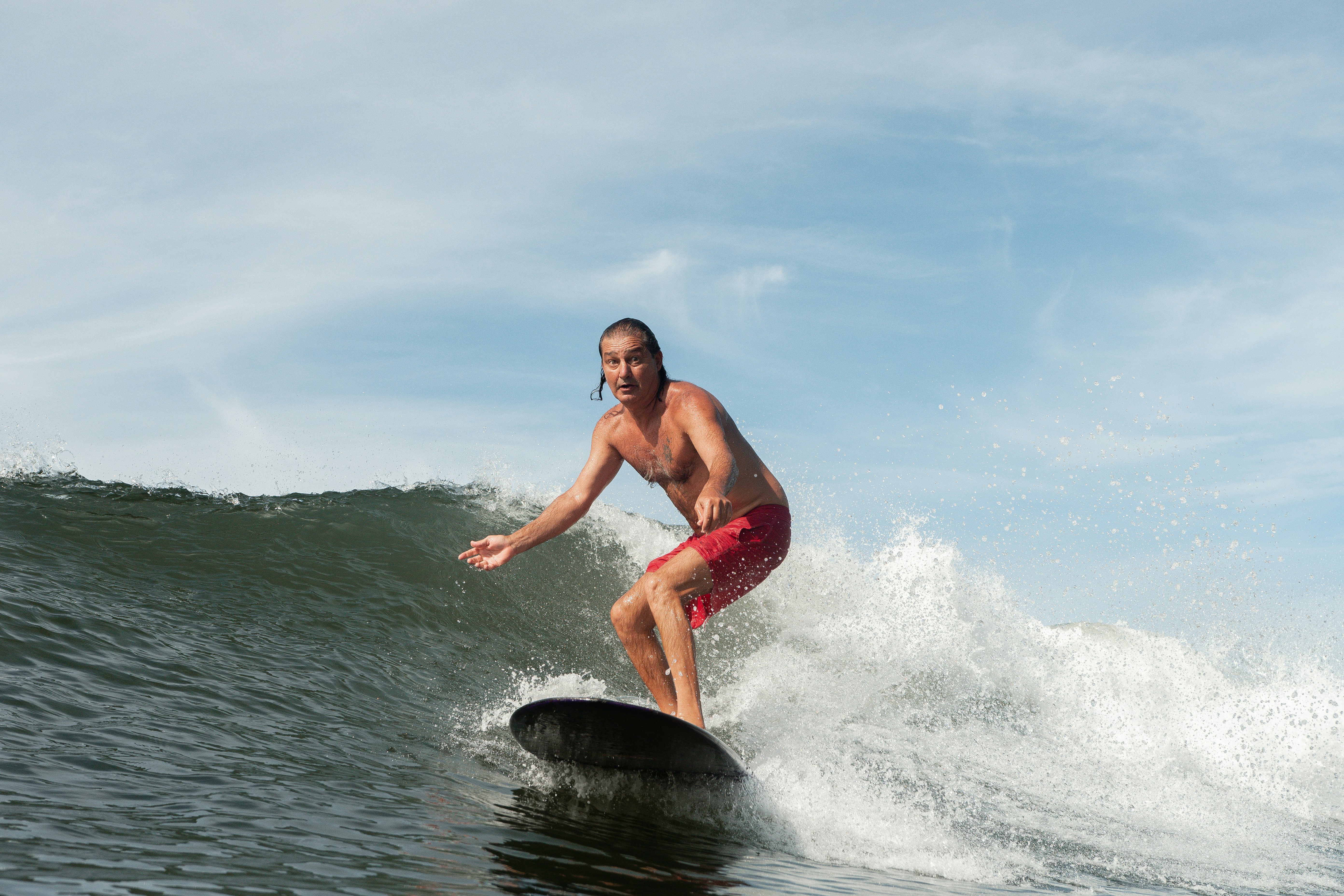
The board accelerates, the water noise changes and for a few seconds you are no longer paddling after the wave. You are moving with it. A first ride may happen lying down in broken white water rather than standing on a clean green face, but the unmistakable surge is enough to explain why surfers keep returning. Catching a wave combines timing with position. Paddle too early and it passes underneath; start too late and the take-off becomes steep or collapses around you. A beginner lesson uses a large stable board and manageable white water to teach prone position, paddling, the pop-up and how to fall away from the board. Reading swell, wind, tide, currents and other surfers takes much longer, so confidence on land should never be confused with competence in unfamiliar water. Learn at a lifeguarded beach with a reputable surf school, and tell the instructor your swimming ability honestly. Check the forecast and tide, use the wetsuit and leash provided, stay in the agreed area and follow the red-and-yellow flag system for swimming versus the black-and-white area for surf craft where marked. Protect your head when falling, surface with an arm raised and never put the board between an incoming wave and another person. Cold, fatigue or a changing current are reasons to finish, not obstacles to push through. Add this to your list for one properly chosen wave. Stand if the lesson gets you there; if it does not, ride the white water well and come back with better timing.