Climb an Indoor Rock Wall
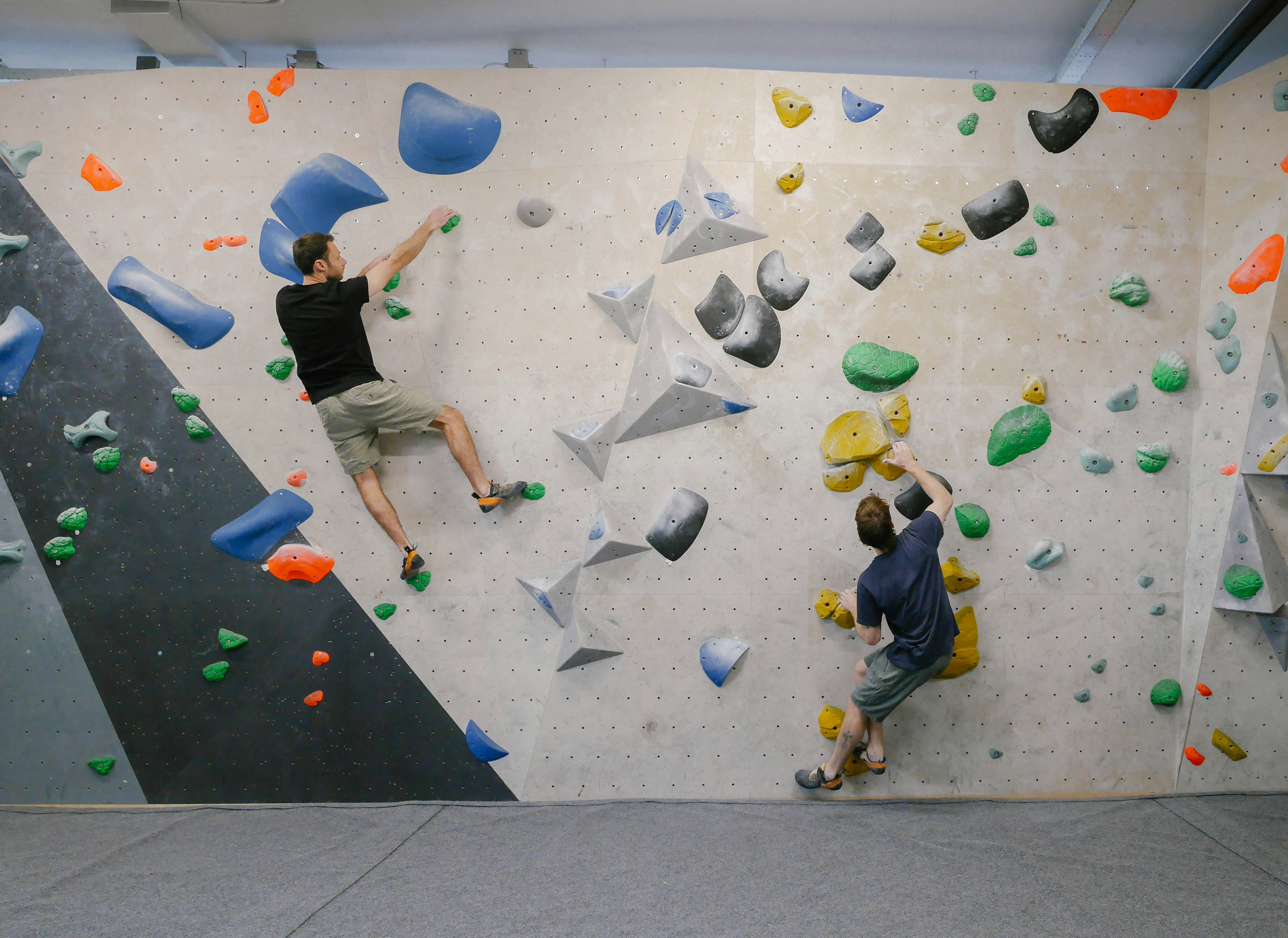
Place one foot on a hold that seemed too small, straighten the leg and the next grip comes within reach. Indoor climbing turns a coloured line of plastic holds into a sequence of balance problems. Strength helps, but the first breakthrough often arrives when you stop hauling with your arms and begin trusting your feet. Climbing walls usually offer roped routes, bouldering or both. Bouldering stays low over padded flooring and makes each short problem self-contained. Roped climbing goes higher and requires a belay system, with auto-belays available at some centres. Grades help you choose a challenge, but they are not a competition between body types; flexibility, technique and route reading can solve moves that resist brute force. Many centres can also advise on adaptive sessions or equipment for disabled climbers. Book an introductory session at an established wall and complete its registration and safety briefing. Hire shoes and a harness until you know what fits, remove jewellery and empty pockets. Learn how to fall and move around bouldering mats without walking beneath other climbers. Never belay, tie in or use an auto-belay unsupervised until the centre has assessed the relevant skill; perform the partner checks every time, even after a successful route. Rest before tired hands lose precision and stop if a finger, shoulder or ankle hurts sharply. Add this to your list by choosing one route that looks just beyond you. Work out why each attempt failed, change the movement and earn the final hold.