Climb Everest
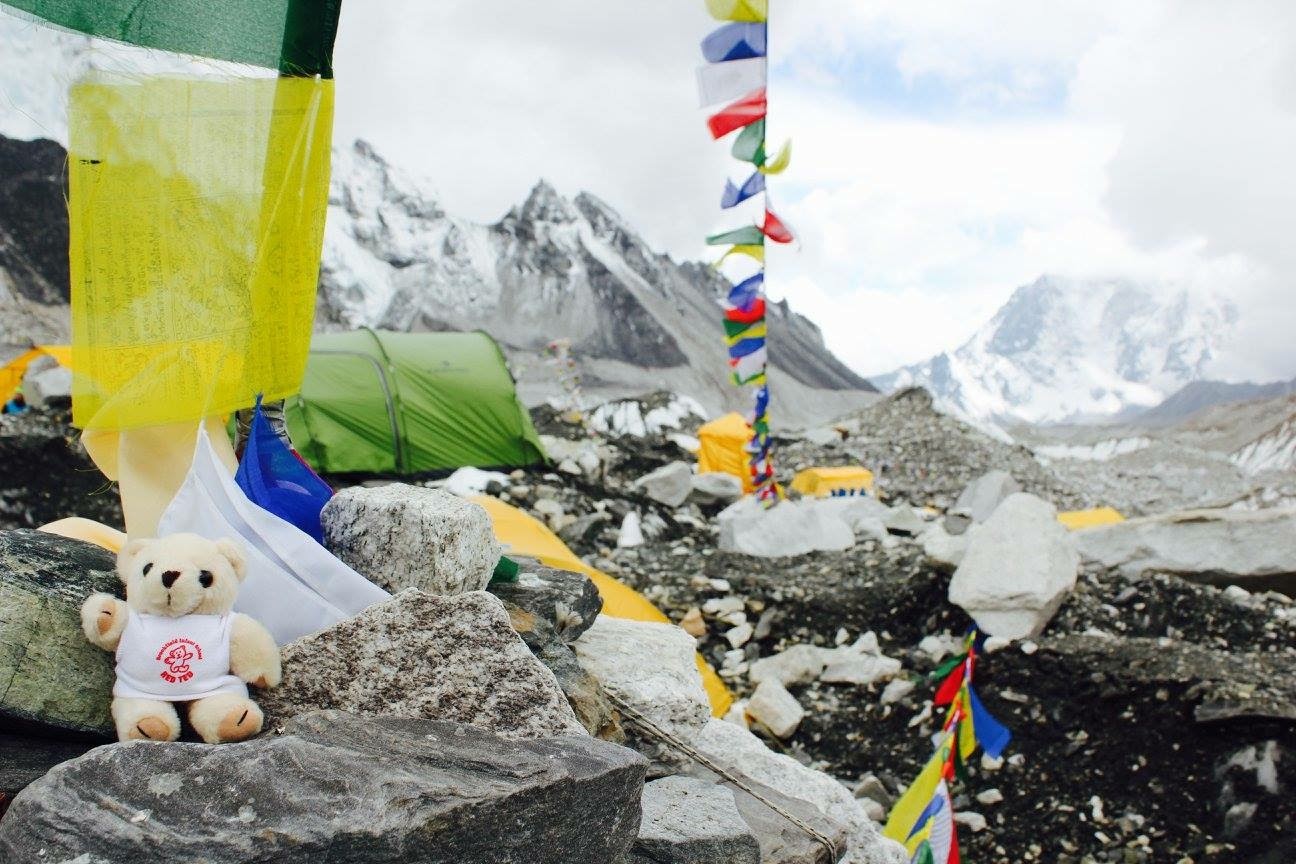
Everest does not begin at Base Camp. It begins years earlier on smaller mountains, in winter skills courses, on acclimatisation climbs and in the decisions that prove you can turn around while a summit remains above you. At 8,848.86 metres, the highest point on Earth exposes every weakness in preparation, judgement and support. A commercial expedition still involves extreme danger. Climbers face altitude illness, avalanches, crevasses, falls, severe cold, storms and exhaustion in the death zone, where the body cannot acclimatise for long. Fixed ropes, bottled oxygen and the work of Nepali guides make an ascent possible for more people; they do not make it safe. The goal also carries ethical responsibilities towards expedition workers, other climbers and a mountain affected by waste, crowding and rescue risk. Build a record of high-altitude mountaineering with qualified instruction before approaching an Everest operator. Independently examine the company's guide ratios, staff pay and insurance, oxygen plan, medical screening, acclimatisation schedule, weather support, rescue arrangements and willingness to enforce a turnaround. Verify current Nepal permits and rules, FCDO advice and insurance that explicitly covers the altitude, mountaineering and helicopter evacuation involved. Budget for training, equipment, travel, expedition fees, contingencies and time away, not just the advertised package. Your doctor and experienced expedition leaders should help assess whether the objective is realistic. Keep Everest on your list only with the freedom to abandon an attempt. Reaching the summit is optional; returning without transferring reckless risk to guides or rescuers is not.