Create Food Art
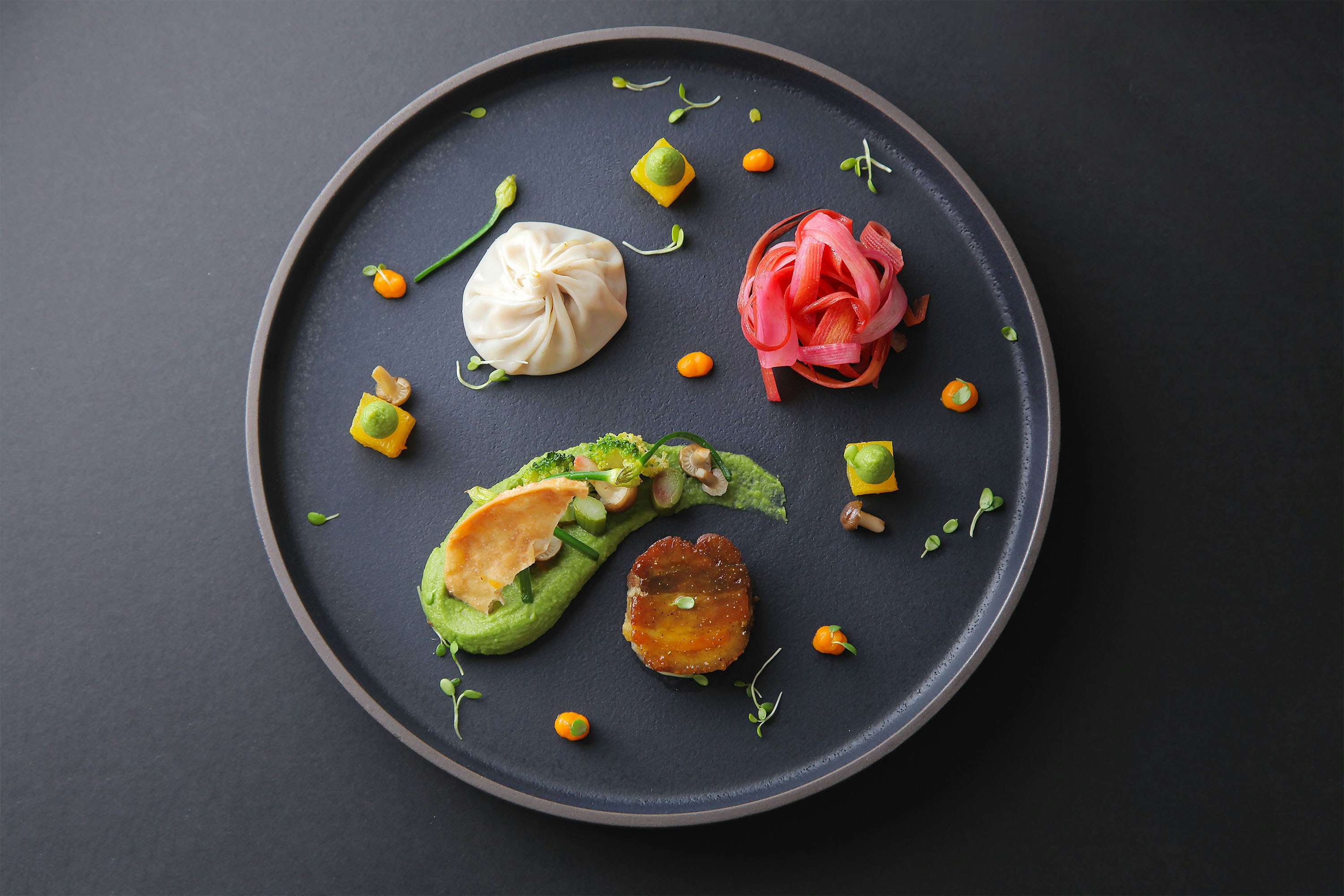
A strawberry becomes a rose, cucumber ribbons become waves and an ordinary slice of toast acquires a face with one well-placed blueberry. Food art asks you to compose with colour, shape and texture while remembering that the finished picture is still lunch. It can be meticulous celebration work or a playful ten-minute challenge made from what is already in the fridge. Choose the scale before reaching for ingredients. A patterned grazing board depends on repetition and generous shapes; a decorated biscuit rewards fine lines; a bento-style scene needs compact elements that remain recognisable when the lid opens. Sketch the broad arrangement, establish the largest forms first and use natural colours rather than making every ingredient fight for attention. The best designs usually have a focal point and some empty space, just like work made with paint or paper. Wash hands and produce, keep raw and ready-to-eat ingredients separate and use a stable board with properly handled knives. Check allergies before serving, including less obvious ingredients in decorations, sauces and shared equipment. Do not leave perishable food at room temperature for the sake of a long photo session, and avoid non-food glitter, flowers or craft materials unless they are specifically safe for food contact. Make only what people can realistically eat; trimmings can become soup, smoothies, breadcrumbs or tomorrow's lunch rather than the hidden waste behind one photograph. Take the picture, then invite everybody to dismantle it. Food art succeeds twice when the image produces a grin and the ingredients remain appealing enough that the plate comes back empty.