Do a tour of the Normandy D-Day beaches in France
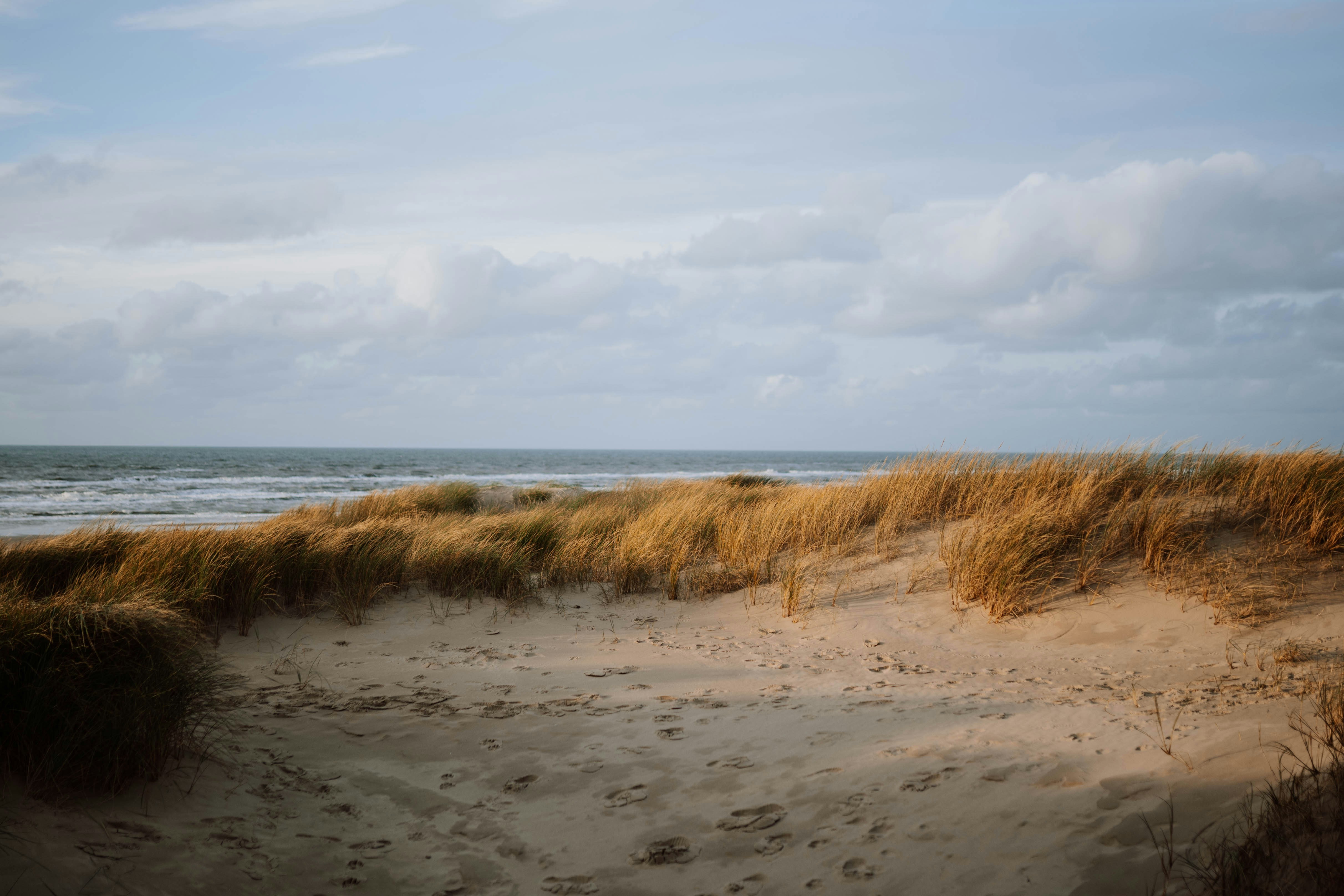
The Normandy landing coast is not one attraction but a long connected landscape of beaches, cliffs, villages, cemeteries, museums and surviving defences. Utah, Omaha, Gold, Juno and Sword beaches each tell a different part of 6 June 1944; Pointe du Hoc and the airborne sites add further context. Seeing them together turns familiar names into geography, distance and human scale. Choose a realistic route rather than racing between every marker. One day can combine a beach, a museum and a cemetery; two or more days allow the British, Canadian and American sectors proper attention. An accredited guide adds chronology and individual stories, while self-driving gives flexibility. Check seasonal opening hours and book small museums or tours in advance. Wear shoes for sand, grass and uneven paths, carry waterproof layers and allow for strong coastal weather. Cemeteries and memorials are places of remembrance: speak quietly, follow photography rules and never climb bunkers, monuments or fragile remains. Do not remove sand, metal or objects. Accessibility varies widely, so confirm parking, gradients, toilets and step-free routes site by site. Leave time for reflection and for the civilian history of Normandy, not only military hardware. Record one story or location you want to understand further. The meaningful completion is a coherent, respectful visit that connects the landings with liberation, loss and the people who still live along this coast.