Do an escape room
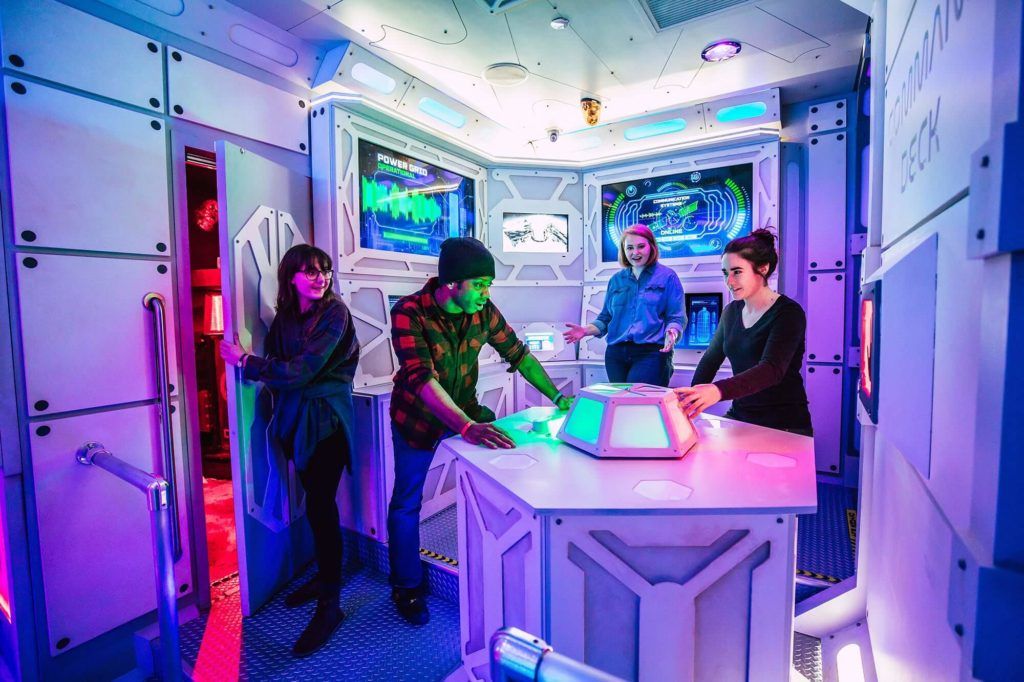
An escape room gives a small team a themed space, a chain of puzzles and a fixed time in which to connect them. Locks, hidden compartments, sound cues and performers may all contribute, but the real pleasure is collective attention: one person notices a pattern, another remembers an earlier object and a third explains the link clearly enough for everyone to move. Choose a room suited to the group’s experience rather than selecting only by difficulty rating. Check team size, run time, age limits, language, accessibility, horror level and whether actors, darkness, crawling, flashing lights or confined spaces are involved. A reputable operator explains how to leave immediately, offers a briefing and provides hints without humiliation. Book directly, arrive on time and tell staff privately about mobility, sensory, anxiety or medical needs. Never force a door, climb furniture, dismantle electrical fittings or put an object in your mouth; genuine puzzle components should respond without dangerous strength. Keep emergency exits and communication devices clear, follow restrictions on phones and photography, and stop if anyone feels unsafe. The door may not be physically locked even when the story says it is. Agree beforehand that asking for a hint or leaving early is acceptable, especially in horror rooms or for first-time players. During the game, say discoveries aloud, keep used objects together and invite quieter players into the search. Afterwards, compare the moment each puzzle clicked without revealing solutions publicly for future teams. Success may be escaping with seconds left or simply becoming a better group before the clock ends.