Do yoga
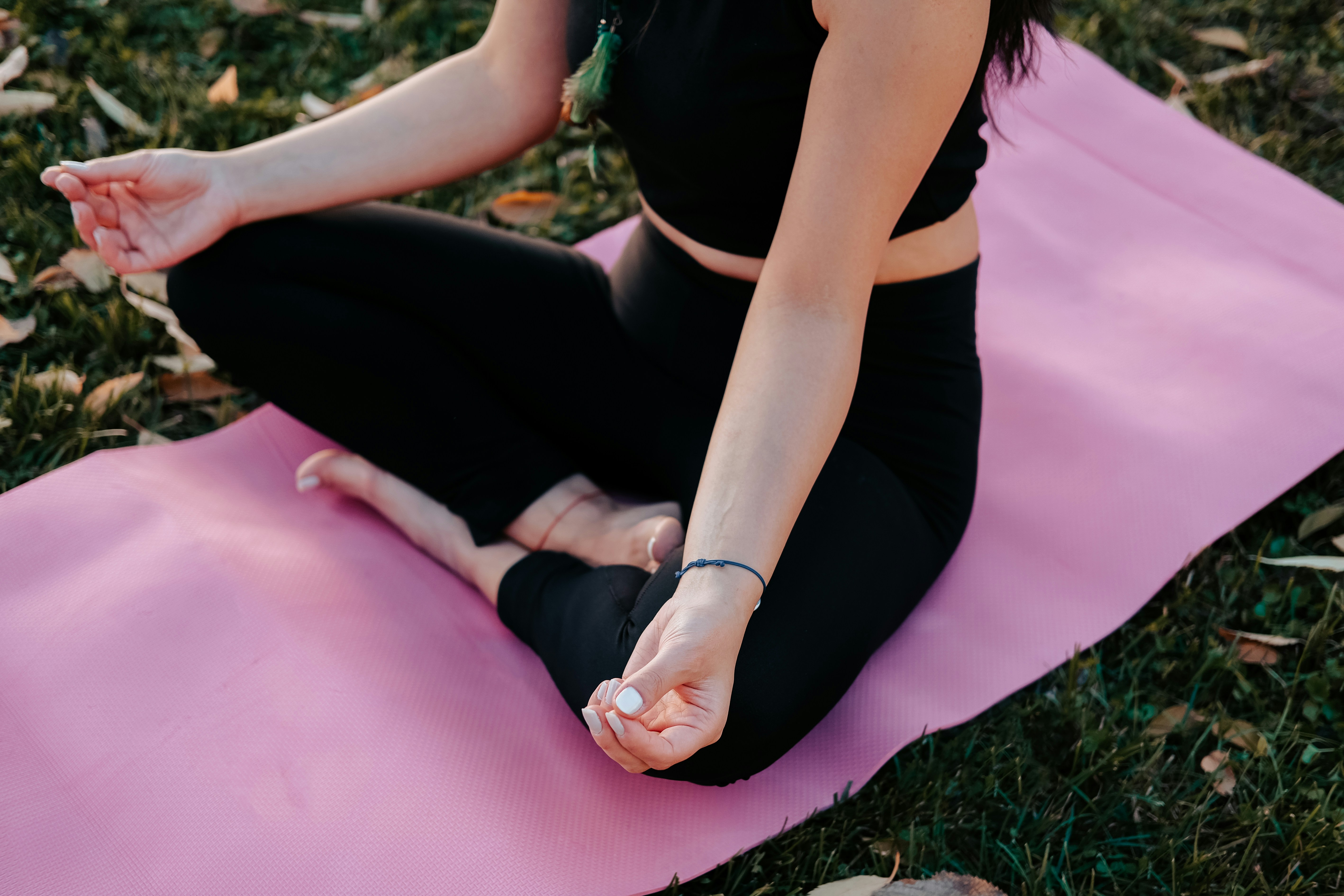
The room narrows to breath, weight and the changing contact between body and mat. Yoga can build strength, mobility and concentration through postures and breathing practices, but its value is not measured by reproducing the deepest shape in the room. A useful session makes attention more precise rather than discomfort easier to ignore. Choose a beginner class and a teacher willing to offer alternatives. Styles range from slower restorative or hatha sessions to flowing vinyasa and heated classes, so ask what pace, temperature and prior experience are expected. Tell the teacher about injuries, pregnancy, balance concerns or health conditions before starting. Props such as blocks, straps, chairs and blankets are tools for adapting the practice, not signs that a pose has been failed. Wear clothes that allow movement and use a stable, non-slip mat with clear space around it. Begin without forcing range, breathe continuously and come out of any posture that causes sharp pain, numbness, dizziness or joint pressure. Avoid competing with flexible neighbours or following an online sequence whose transitions you cannot control. Seek medical advice when a condition makes exercise uncertain, and use appropriately qualified prenatal or therapeutic instruction where needed. A short regular practice is more sustainable than one punishing class followed by weeks away. Learn a small sequence well enough to notice how it changes from day to day. The milestone may be steadier balance, easier breathing or knowing when to rest—evidence that the practice is becoming responsive rather than performative.