Donate Plasma
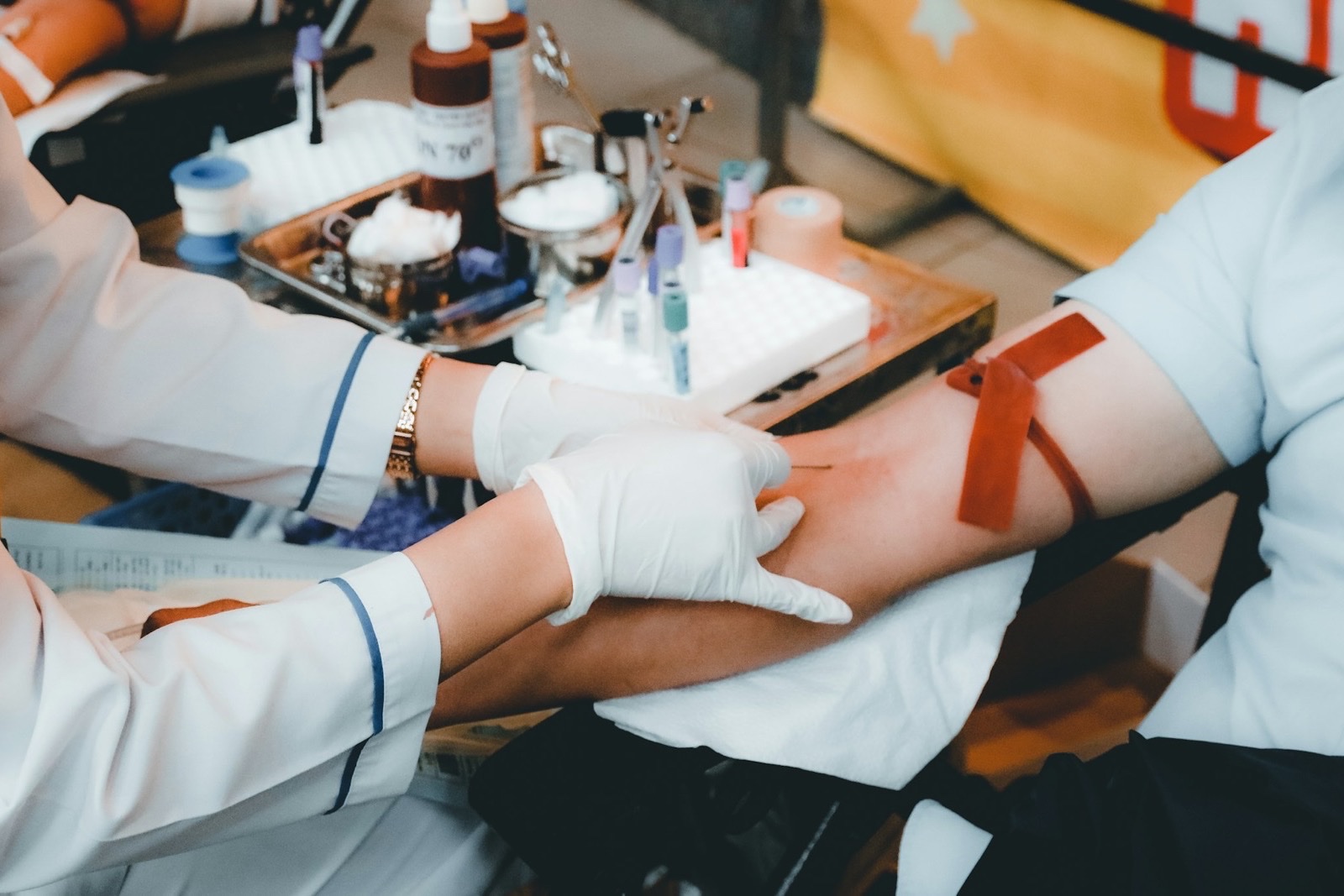
Settle into the donation chair while a machine separates the pale-gold plasma from your blood and returns the other components to you. Plasma carries proteins used in medicines and clinical treatment, so a quiet appointment can contribute to care far beyond the donor centre. Plasma donation uses a process called apheresis. Blood passes through sterile, single-use equipment; the plasma is collected and red cells and platelets are returned. This generally takes longer than whole-blood donation. Eligibility, donation frequency and collection locations differ across the UK, and services change as national demand and capacity develop. Use the official blood service for your nation to check whether plasma donation is currently available, where centres operate and whether you meet the health, age, weight and travel criteria. Complete the screening honestly. Eat normally, drink plenty of non-alcoholic fluid, bring identification if requested and allow time for registration, donation and recovery. Staff can stop the procedure if you feel unwell, and you should follow their advice about exercise, driving and aftercare. Never donate because somebody is pressuring you or conceal medical information to qualify. Add this to your list if you are eligible and comfortable making a practical, repeatable contribution to the health service.