Drink Sake
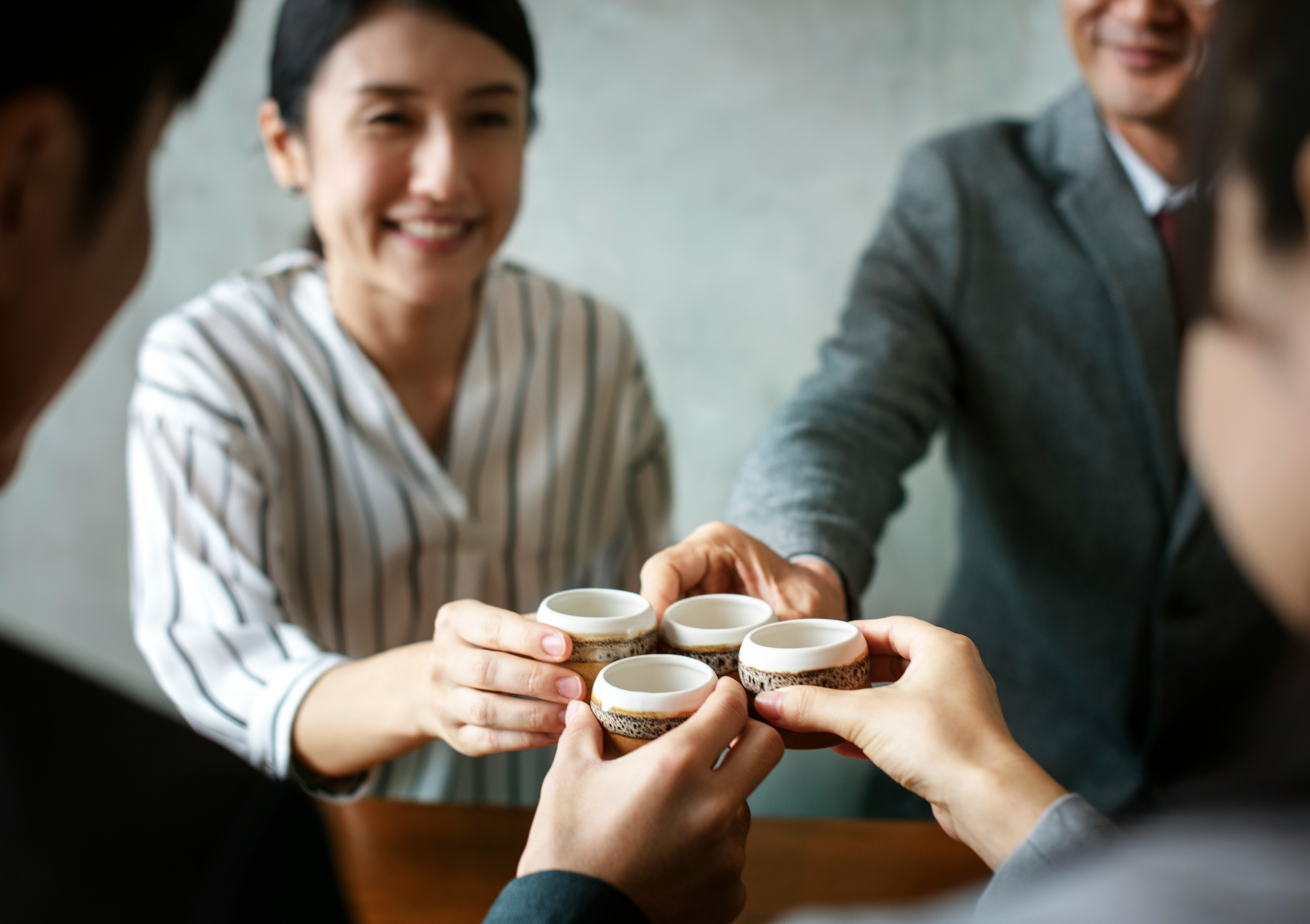
A small pour can carry aromas of rice, fruit, flowers, nuts or savoury fermentation, depending on how it was made and served. Drinking sake becomes more interesting once it is understood as its own brewed tradition rather than a Japanese spirit that must always arrive hot. Begin with a guided tasting, specialist bar or restaurant able to explain style and temperature. Sake is made from rice, water, koji and yeast; polishing, fermentation, filtration, dilution and ageing shape the result. Compare a fragrant ginjo-style sake with something richer, or taste one bottle chilled and gently warmed if the producer recommends both. Use a wine glass when aroma matters and let food show how umami and acidity interact. Check the bottle's ABV and measure pours: sake is often stronger than wine, despite the small cup. Eat, drink water and arrange transport before starting. Do not pressure anybody to empty a cup or participate in ceremonial gestures they do not understand. Store and serve the bottle as directed, refrigerating opened sake when required. If drinking in Japan, follow current travel guidance and the venue's etiquette; if buying in the UK, use a reputable retailer with clear labelling. Avoid alcohol when health, pregnancy, medicines or personal choice make it unsuitable. Write down the name and one characteristic you could recognise again. The goal is not to declare a single correct temperature or premium grade, but to discover how varied sake can be when tasted with attention.