Drive a Race Car
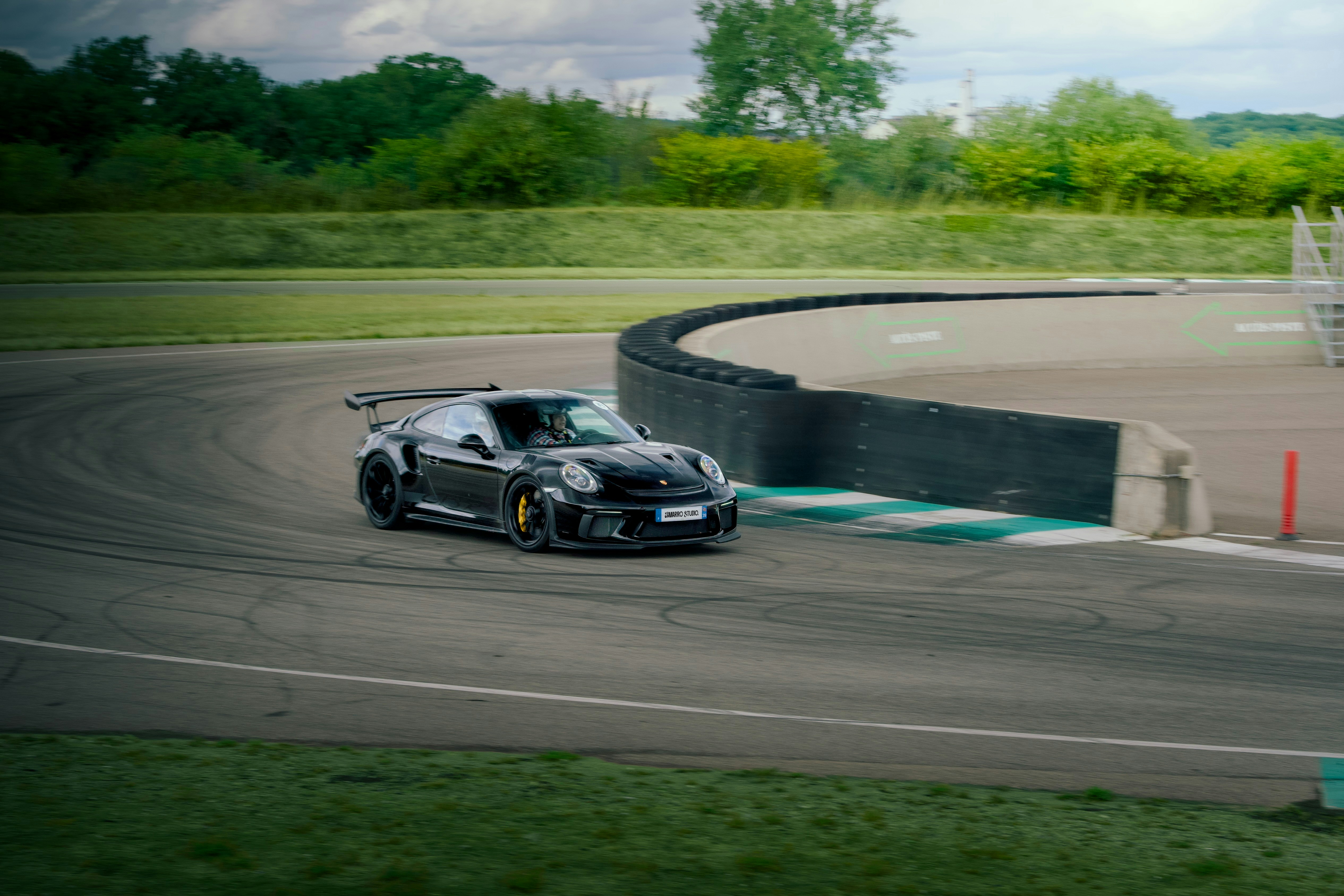
The pit lane ends, the circuit opens and acceleration that felt theoretical in the briefing presses the body into the seat. Driving a race car on track is an exercise in vision, braking and repeatability. Speed arrives as the result of placing the car well, not from attacking every control at once. Choose an established circuit experience and understand exactly what the booking includes: sighting laps, instructor time, car model, lap count, insurance excess and weather policy. A track-prepared saloon, single-seater and supercar demand different seating, controls and expectations. Listen for the instructor's reference points and learn the circuit progressively; a clean line at moderate speed creates more useful feedback than one dramatic corner followed by confusion. Meet licence, age, height and health requirements and disclose anything that affects safe control. Wear the helmet and restraints provided, adjust the seating position before moving and obey pit-lane, flag and overtaking rules. Never race another participant unless the event specifically operates under the required competition framework. Stop for mechanical warnings, vision problems or an instructor's direction. Check damage-waiver terms rather than assuming the entry fee covers every incident, and keep all competitive driving off public roads after leaving. Use the final lap to improve one braking point or corner exit instead of chasing an unverifiable top speed. The satisfying result is a sequence that becomes smoother because you understood the car and circuit more clearly each time around.