Eat Ahi Poke
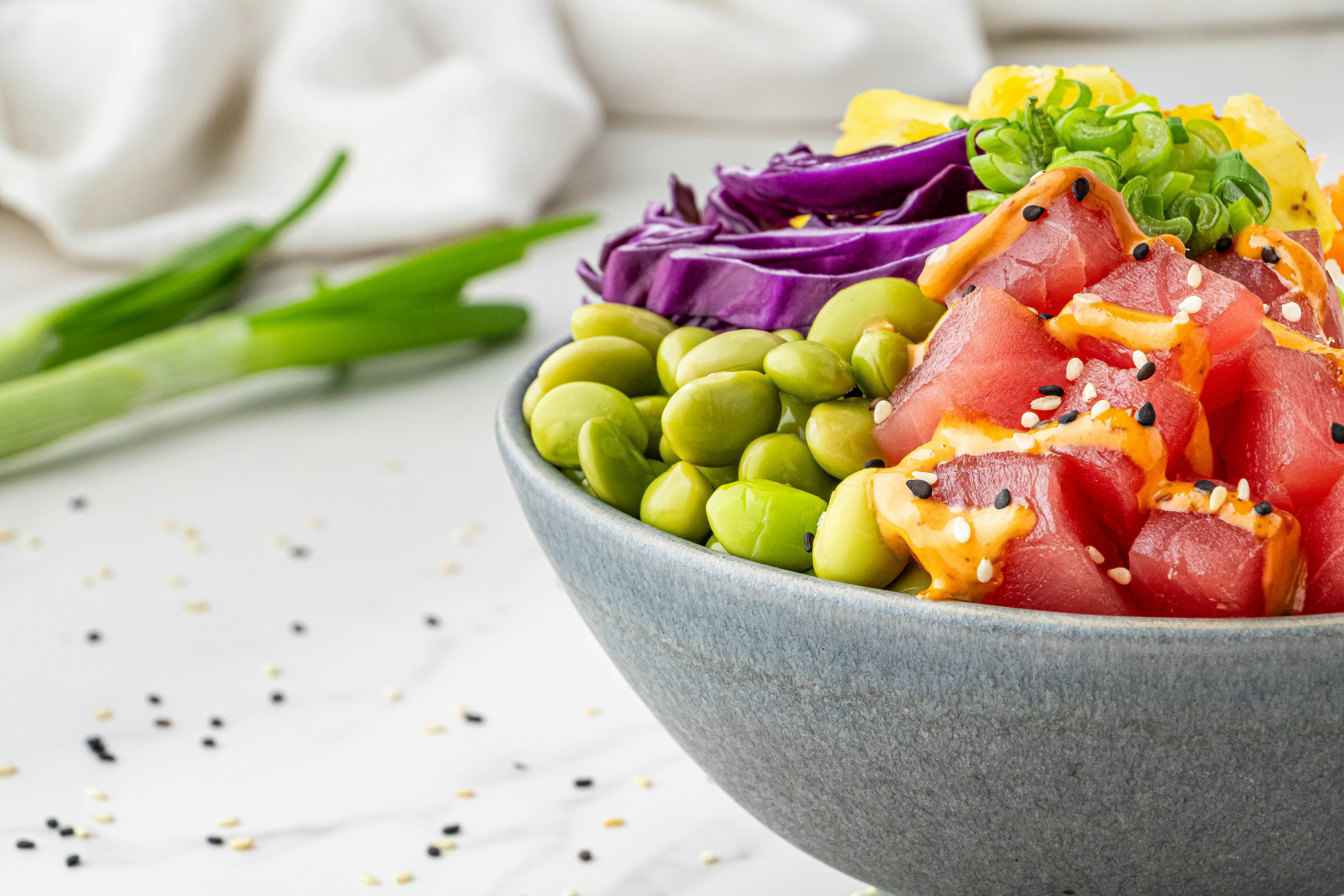
A bowl of ahi poke brings together cool cubes of tuna, sea salt, seaweed and seasoning in a form that feels simple because every ingredient is exposed. In Hawai‘i, poke means cut into pieces, and the dish belongs to a living local food culture shaped by Native Hawaiian foundations and later influences—not merely the exported idea of rice topped with raw fish and sauces. Try poke at a busy local market, fish counter or specialist shop in Hawai‘i and ask what was prepared that day. Shoyu ahi may include soy sauce and spring onion, while limu and inamona connect more closely to older preparations. Order a modest portion, taste the fish by itself and listen when staff explain the ingredients and local names. Supporting an independent business with clear sourcing is more meaningful than pursuing a supposedly secret counter in a residential area. Raw tuna requires careful handling. Choose a reputable food business that keeps fish properly chilled and can answer allergen questions; soy, sesame, fish and nuts or seeds may all feature. In the UK, fish intended to be eaten raw generally requires appropriate parasite-control treatment unless a specific exemption applies. Anyone who is pregnant, immunocompromised or advised to avoid raw fish should choose a cooked alternative. Eat the poke promptly, keep it out of the sun and never assume the word ‘fresh’ alone proves it is safe. Notice the temperature, texture and balance rather than drowning the first mouthful in extra sauce. A good bowl can reveal both the quality of the tuna and the choices of the person who prepared it, leaving you with a clearer taste of Hawai‘i’s food culture than an oversized novelty portion could provide.