Eat an Insect
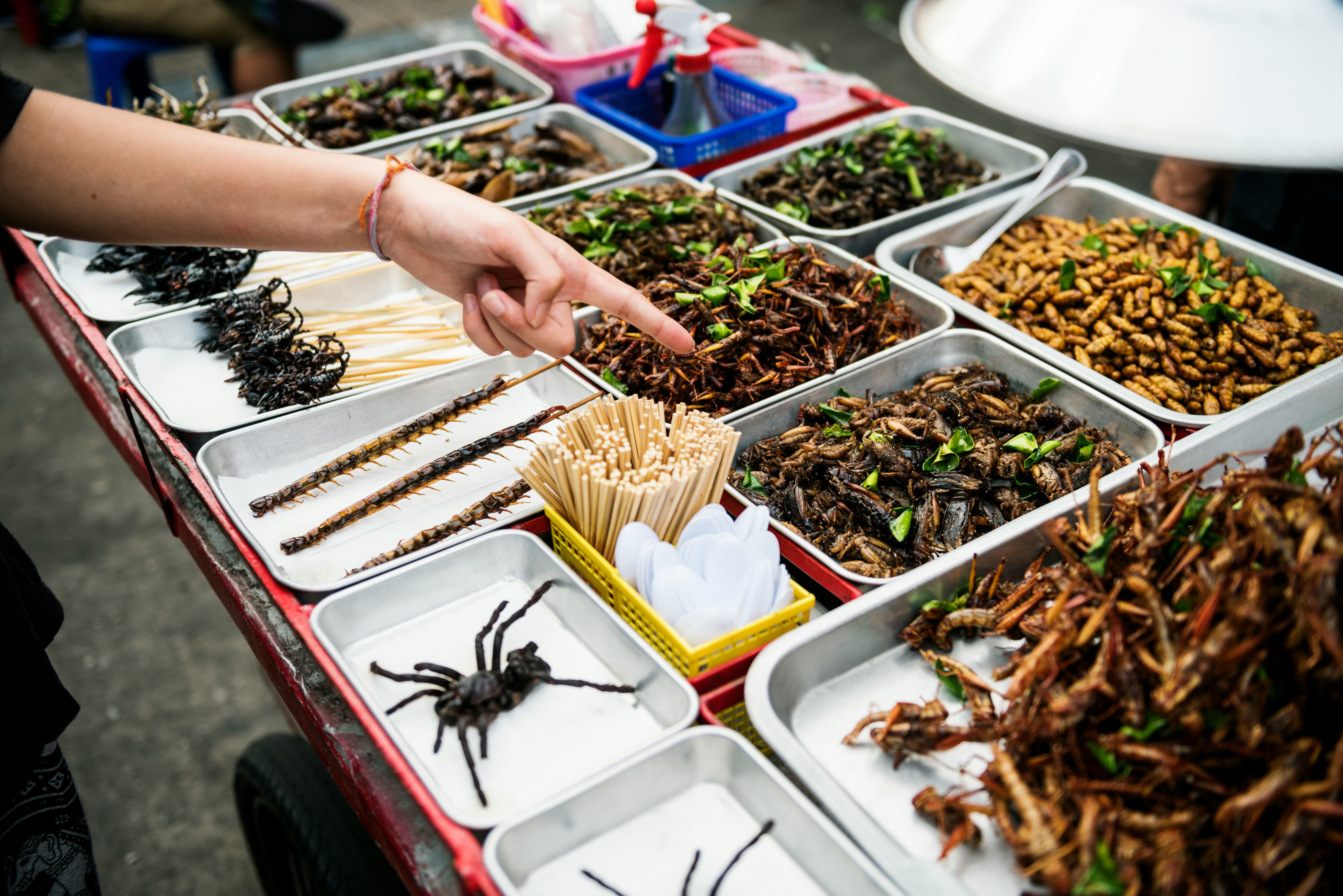
A roasted cricket or mealworm is often smaller and more familiar in flavour than the anticipation surrounding it: crisp, savoury and shaped by salt or spice. Eating an insect can expose how strongly ideas of ‘normal food’ depend on culture, but it deserves more thought than closing your eyes for a dare. In many communities, particular insects are established ingredients with their own seasons, recipes and meanings. In Great Britain, start with a sealed, clearly labelled product lawfully sold by a reputable food business. Current transitional arrangements apply only to specified species with valid novel-food applications, including yellow mealworm and certain crickets; not every insect advertised online is legal or assessed for sale. At a restaurant abroad, choose a recognised local dish from a busy licensed venue and ask what the species is and how it was reared and prepared. Never collect insects from a garden, street or forest, where identity, pesticides, parasites and contamination are unknown. Read the full allergen warning before tasting. Insect proteins can cross-react with crustacean and dust-mite allergies, potentially causing a serious reaction, while feed can introduce allergens such as soy or wheat. Avoid the activity if those risks apply or professional advice says so. Choose a heat-treated product, begin with one small piece and stop immediately if symptoms develop. Do not eat a live insect, pressure another person, or buy wildlife products whose harvest may be illegal or ecologically damaging. Move beyond the crunch by identifying the seasoning, texture and ingredient’s role in the dish. Whether you enjoy it matters less than replacing a reflexive reaction with informed attention to food safety, law and the culinary knowledge that made the insect food in the first place.