Eat Caviar
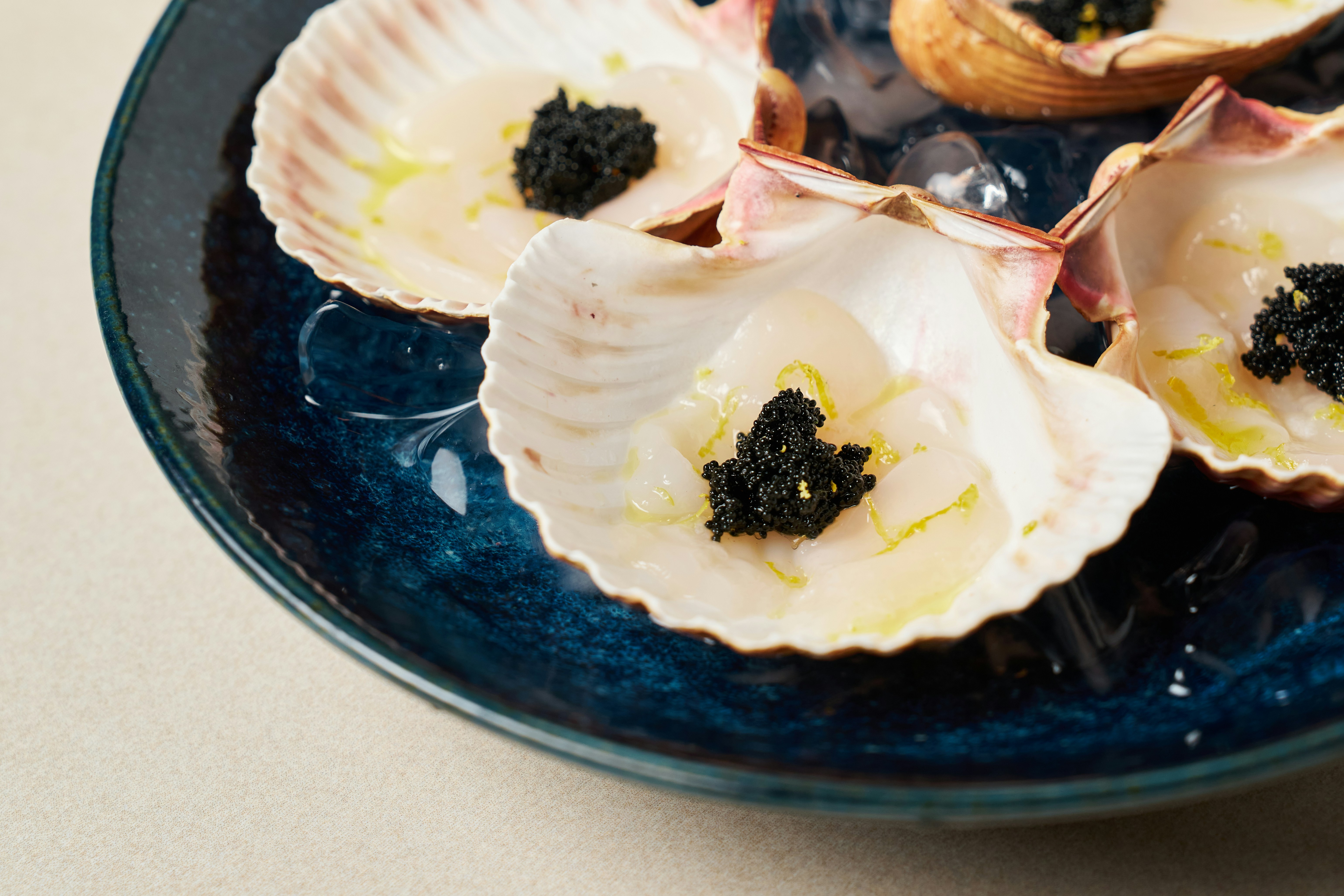
A spoonful of caviar offers texture before extravagance: chilled eggs roll apart, yield with a gentle pop and release flavours that may be saline, nutty, buttery or clean. True caviar is the processed roe of sturgeon and paddlefish, not every fish egg described that way on a menu. Starting with a small, traceable serving makes comparison possible without turning rarity into excess. Buy from a reputable specialist or order at a restaurant able to name the species, producer and origin. CITES uses a non-reusable labelling system for primary containers to trace legal caviar, including farmed products, so inspect the sealed jar rather than relying on words such as ‘royal’ or an impressive colour. Ask for two modest varieties if you want to compare them. Serve well chilled with a clean non-reactive spoon; plain blini, potato or a little crème fraîche should support rather than bury the roe. Keep the container refrigerated according to its label, open it only when ready and consume it within the stated period. Check fish, dairy and other allergens and follow pregnancy or medical guidance for chilled ready-to-eat fish products. Wild sturgeon populations have faced severe pressure, making documented legal sourcing essential even when a product is farmed. If travelling, check current wildlife and food-import rules: Great Britain’s personal CITES exemption is limited to 125 grams per person in individually marked containers and other restrictions may still apply. Taste slowly enough to describe the grain size, firmness and finish. The point is not to pile an expensive ingredient onto something equally rich, but to understand why careful production, restraint and conservation controls are inseparable from the pleasure.