Eat crocodile
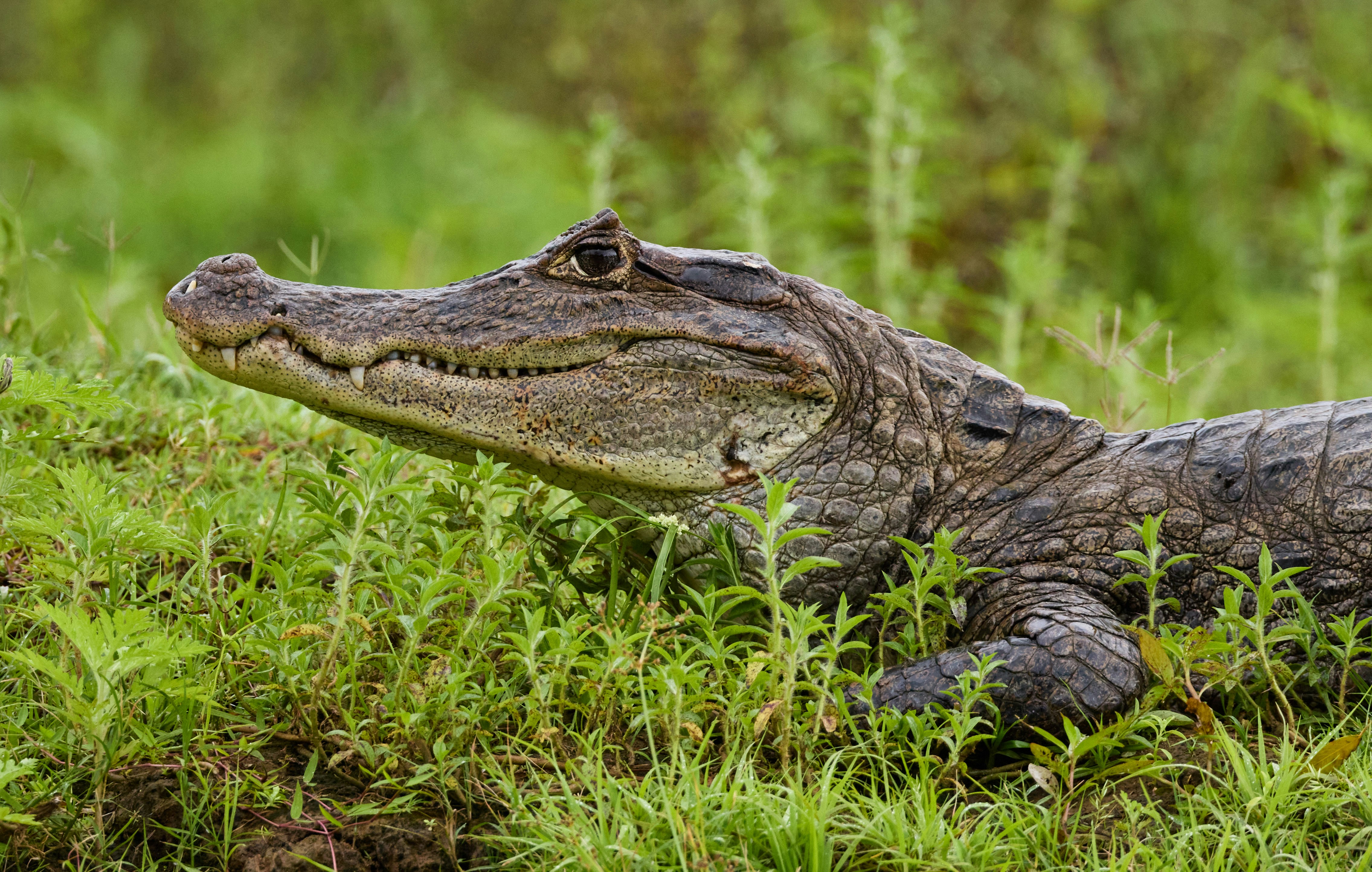
Crocodile meat is pale and firm, with a mild flavour that changes according to cut, age and cooking rather than matching one easy comparison with chicken or fish. It may appear as an Australian skewer, a southern African grill dish or part of a South-East Asian preparation. Tasting it responsibly means paying as much attention to species and source as to seasoning. Choose a licensed restaurant or specialist butcher able to identify the crocodilian species, whether the animal was farmed and how the meat entered the legal food chain. Order a dish the kitchen prepares regularly rather than an anonymous mixed ‘exotic meat’ platter. Tail and other cuts can behave differently, so ask what method suits the portion. A modest grilled, curried or slow-cooked serving makes the ingredient easier to understand than a heavily breaded novelty bite. Never buy meat at an informal wildlife market or from a seller who cannot show inspected, traceable provenance. Crocodilian trade can be subject to CITES controls, and reptile meat imported into Great Britain must meet public-health requirements addressing hazards including Trichinella and Salmonella. Ask about allergens in marinades and shared fryers, keep raw meat separate and cook legitimate retail meat thoroughly. Check current destination advice and do not bring meat, skins or other wildlife products home without confirming food-import and wildlife rules. Compare the grain, moisture and way the cooking carries spice, then consider whether the supplier’s conservation story stands up to questions. The worthwhile achievement is a well-sourced regional meal, not creating demand for a species whose identity and origin remain hidden.