Eat duck hearts
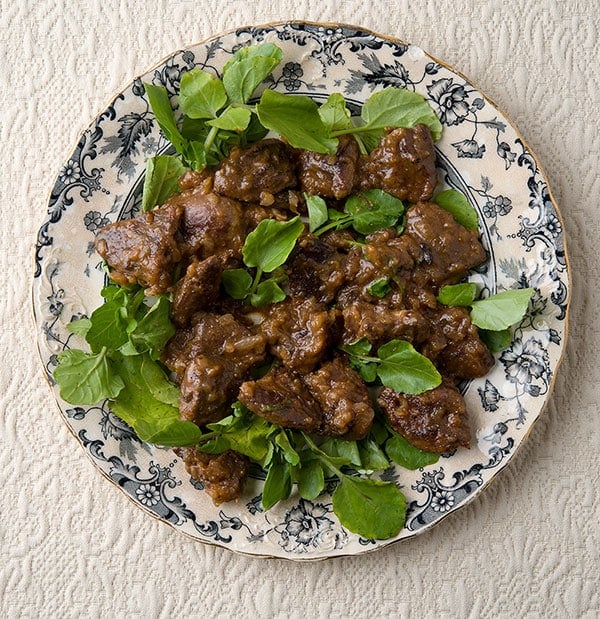
A duck heart is a small, dense muscle with a clean savoury flavour and a firm bite when quickly grilled or sautéed. Served on skewers, in a warm salad or as part of a nose-to-tail menu, it can demonstrate how careful trimming and precise cooking give an overlooked part of the bird its own character rather than disguising it. Try the dish at a restaurant, Brazilian-style grill or specialist food event where offal is part of the regular cooking. Ask how the hearts are sourced and prepared, then order a modest portion alongside the accompaniments the kitchen recommends. Char, acidity and herbs often balance their richness. Treat them as food rather than a prop: do not demand that somebody eat one for a reaction, and acknowledge the whole-animal approach that makes use of more than breast and leg. Duck heart is poultry offal and must be handled with care. Buy only from a traceable butcher, keep it refrigerated, prevent raw juices from touching ready-to-eat food and wash hands, boards and utensils after preparation. The Food Standards Agency advises cooking offal thoroughly until steaming hot throughout; use a clean thermometer and a trusted recipe rather than guessing from exterior colour. Ask about marinades, sauces and shared grills if allergies matter, and do not eat raw or poorly stored hearts. Compare the browned outside with the springier centre and notice whether the seasoning supports or overwhelms the meat. The achievement is finding flavour and craft in a small ingredient that conventional menus often waste—not proving that your appetite is more fearless than someone else’s.