Eat Frog Legs
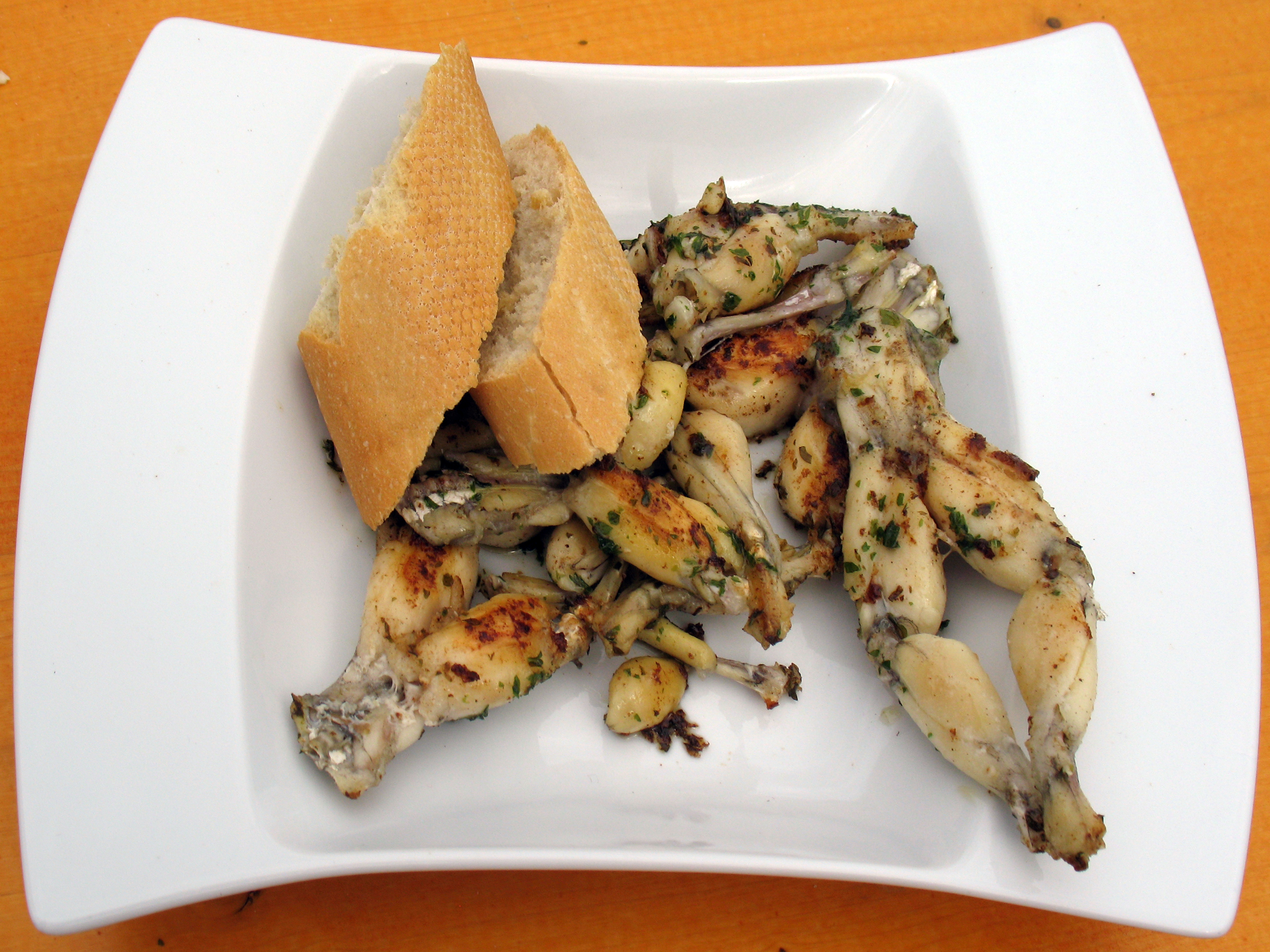
Frog legs are eaten in several culinary traditions, including French, Chinese, Indonesian and parts of the southern United States. The small pieces of pale meat are often fried or cooked with garlic and butter, producing a mild flavour and fine texture rather than the theatrical shock sometimes promised. Their sourcing deserves more attention than a comparison with chicken. Choose a regulated restaurant or established food retailer able to identify the species, country and supplier. Great Britain permits commercial imports only from approved trading partners and establishments, with the required health documentation. Do not collect local frogs or buy unlabelled meat: wild amphibian populations face habitat and disease pressures, and a vague claim that a product is traditional does not establish legal or responsible provenance. Keep bought legs chilled or frozen as labelled, prevent raw juices touching ready-to-eat food and follow the supplier’s cooking instructions until the meat is safely cooked. Check batter, butter, stock and sauces for gluten, milk, egg, celery and other allergens. Numerous fine bones can be sharp, so eat slowly and take particular care if serving a child. Wash utensils and hands thoroughly after handling the raw product. Begin with one properly prepared portion and notice seasoning, tenderness and the cultural style in which it is served. Ask questions without treating the dish or its diners as an exotic spectacle, and choose a different plate if traceability is missing. Completion is an informed taste from a lawful food chain—or a reasoned decision not to create demand—not catching an animal or performing bravery for a photograph.