Eat Heart
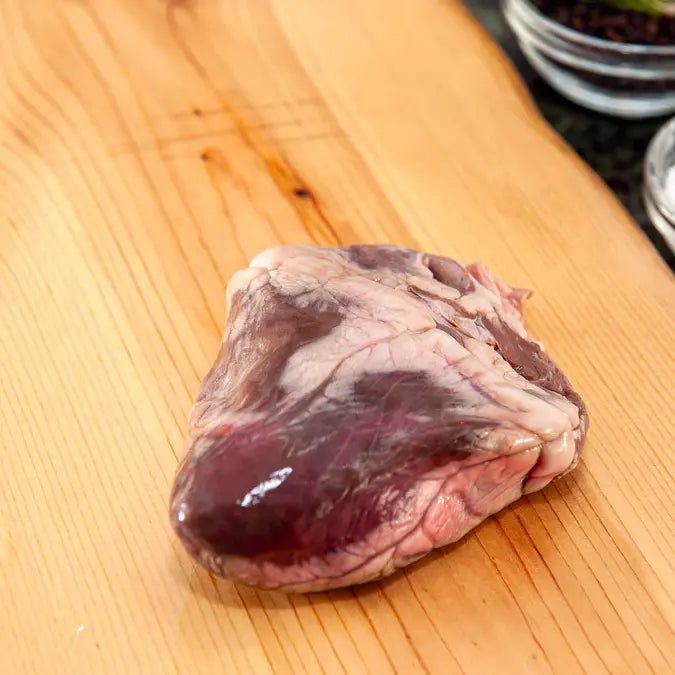
Heart is a hardworking muscle, so its texture is lean and close-grained rather than soft like liver. Beef heart sliced for Peruvian anticuchos, lamb heart slowly braised or poultry hearts grilled on skewers can each produce a distinct meal. Trying one well-made dish introduces nose-to-tail cooking without pretending that every species or technique is interchangeable. Choose a restaurant known for a particular preparation or buy a clearly identified heart from a traceable butcher. Ask which animal it came from and how the cook handles valves, connective tissue and grain. Anticuchos demonstrate the effect of marinating and fast heat, while a larger stuffed or braised heart rewards a longer method. Begin with a modest portion, keep the traditional accompaniments and judge the seasoning and texture rather than collecting ‘bravery points’. Heart is offal and must be handled carefully. Keep it chilled, prepare it with separate raw-meat equipment, wash hands and surfaces afterwards and prevent juices reaching ready-to-eat food. The Food Standards Agency advises cooking offal thoroughly until steaming hot throughout; follow a reliable species-specific recipe and use a clean thermometer rather than exterior colour alone. Check marinades, stocks and sauces for allergens, and never accept an unlabelled organ or ambiguous novelty-meat claim. Slice across the grain and notice the difference between the browned exterior and firm centre. The value lies in discovering what precise trimming and cookery can achieve with a part of the animal often ignored—not in turning the organ’s former function into theatre.