Eat in a medieval restaurant
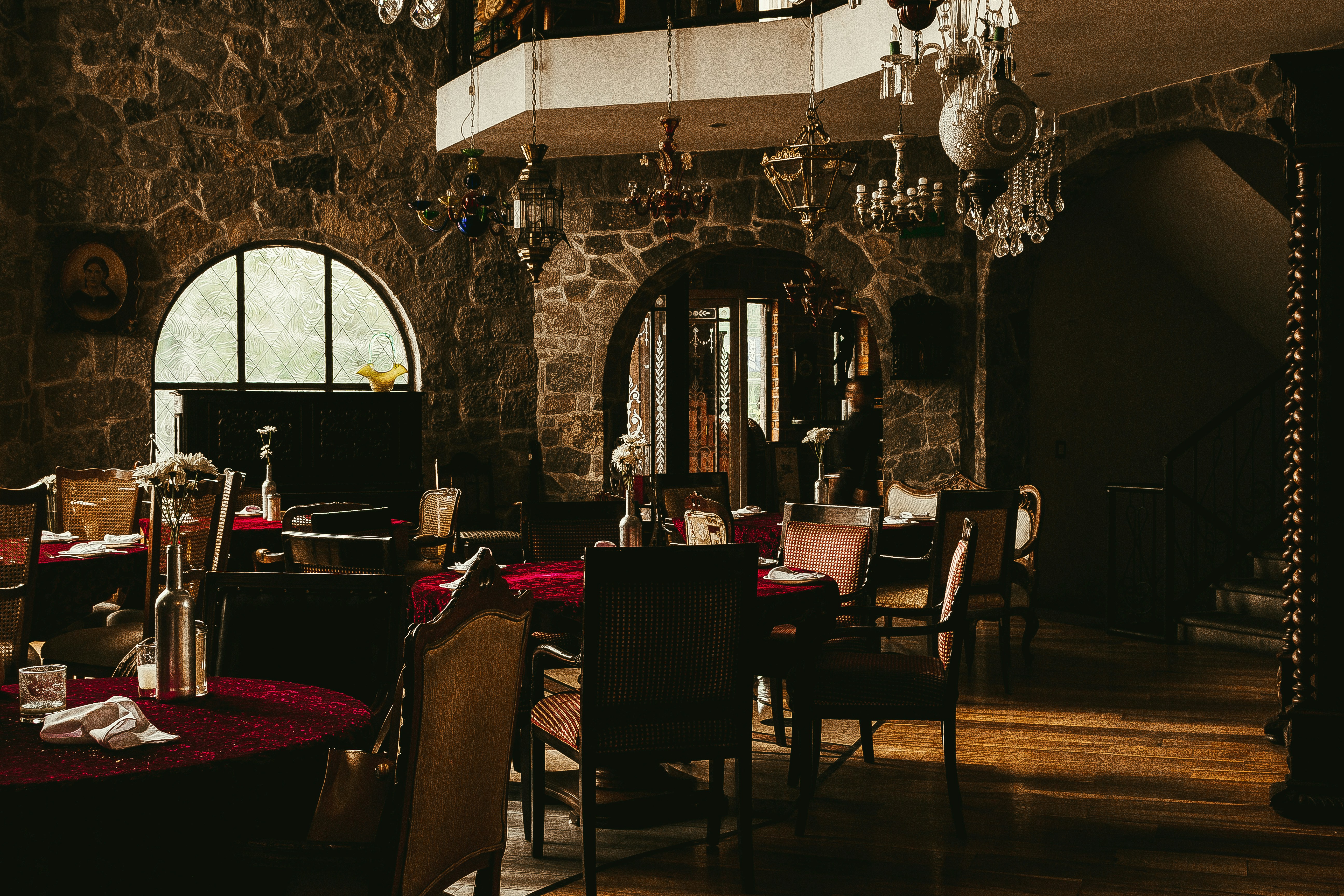
Candle-coloured light, long tables and the arrival of a shared platter can make dinner feel briefly detached from the present. A medieval restaurant may offer researched historical food, a costumed banquet with music and storytelling, or a playful theme involving goblets and theatrical combat. Knowing which version you have booked lets the evening succeed on its own terms. Read the venue’s current programme and menu before choosing. A heritage site or reenactment feast may explain ingredients and sources, while an entertainment-led banquet may prioritise audience participation. Check what the ticket includes, how long the event lasts, whether seating is communal and whether costumes are welcomed or supplied. If historical accuracy matters, look for a venue that distinguishes documented recipes from modern dishes designed to match popular expectations. Send dietary requirements and allergies in advance because fixed shared menus, low light and fast service can make last-minute substitutions difficult. Ask about step-free access, bench seating, loud music, smoke, strobe or flame effects and whether performers approach diners. Participation should be optional. Use handwashing facilities before finger food, pace alcohol, watch hot platters and candles, and respect staff, performers and other guests rather than using period atmosphere as permission for boorish behaviour. Try one unfamiliar spice, grain or serving custom and ask what evidence informed it. The strongest experience combines flavour with a more nuanced sense of the past, while leaving room to enjoy obvious theatre. It should feel like an imaginative interpretation—not a claim that every medieval person ate a giant joint of meat without cutlery.