Eat Lamb Tongue
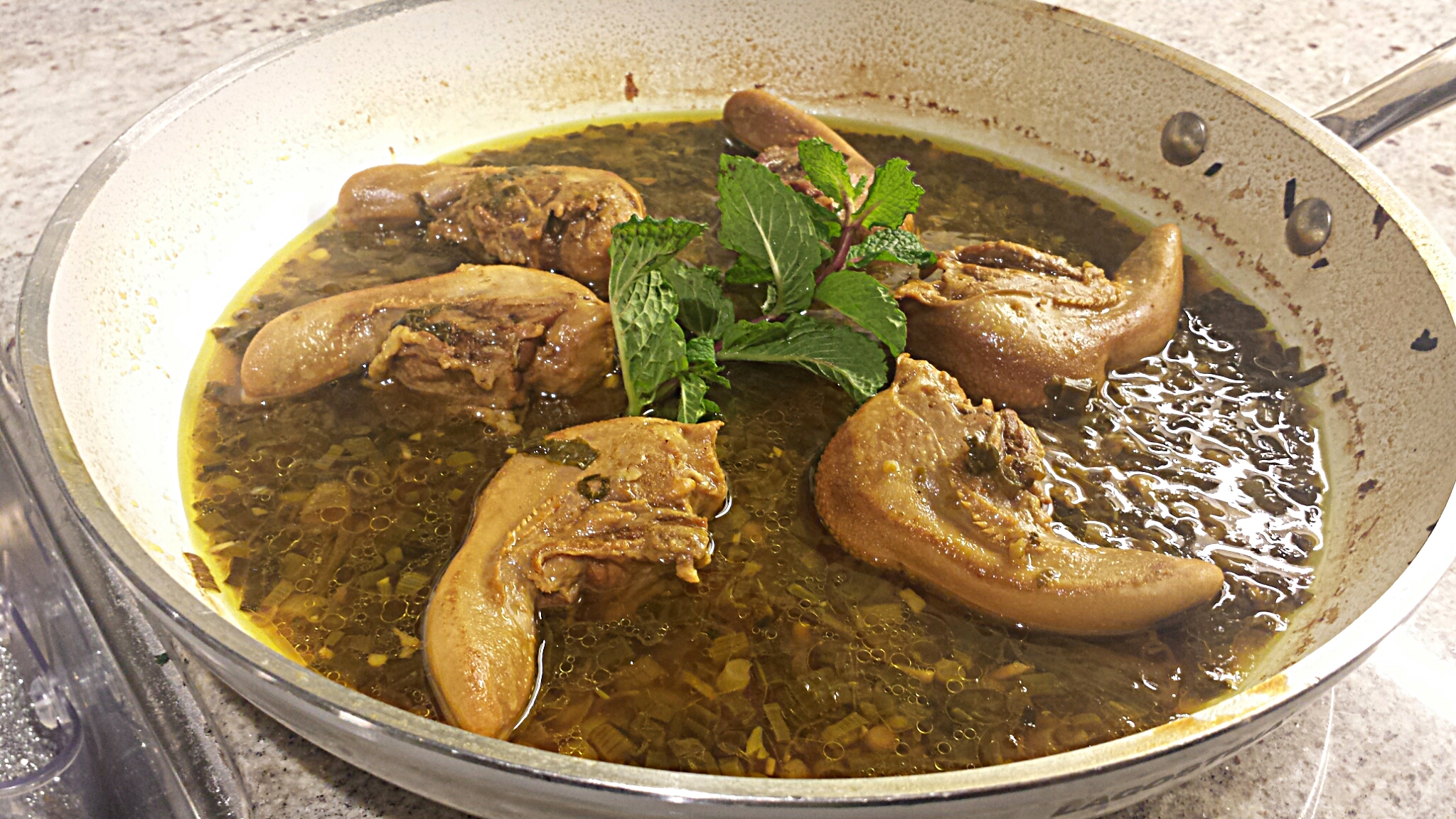
Lamb tongue becomes remarkably tender after slow cooking, with a fine grain and a richer flavour than an ordinary roast slice. It may appear warm in a spiced stew, grilled after braising, pressed and served cold with pickles or included in a mezze spread. The dish demonstrates how technique can transform a muscular, unfamiliar cut into something delicate. Order it at a Middle Eastern, Mediterranean, European or South American restaurant known for the particular preparation, or buy from a traceable butcher. Ask how it is cooked and what bright accompaniment balances it; lemon, herbs, mustard and pickled vegetables can each play that role. For a first taste, a few thin slices or one component of a shared plate is enough. Keep the focus on the cookery rather than asking staff to stage the whole organ for effect. Home preparation requires a reliable recipe: the tongue must be kept chilled, cleaned, cooked thoroughly until tender and peeled while it can be handled safely. Separate raw-meat tools and surfaces, wash hands carefully and follow current offal cooking guidance. Ask about stock, sauces, pickles and gluten or other allergens. Use only an inspected, clearly identified lamb product; do not accept ambiguous ‘tongue’ or informal slaughter material. Refrigerate the cooked meat and leftovers promptly. Compare the smooth slices, browned edges and acidic garnish, noticing how long cooking changed the muscle. Lamb tongue is distinct from larger beef tongue in size, flavour and typical serving, and it earns its place as a specific culinary experience rather than a generic offal dare.