Eat moose
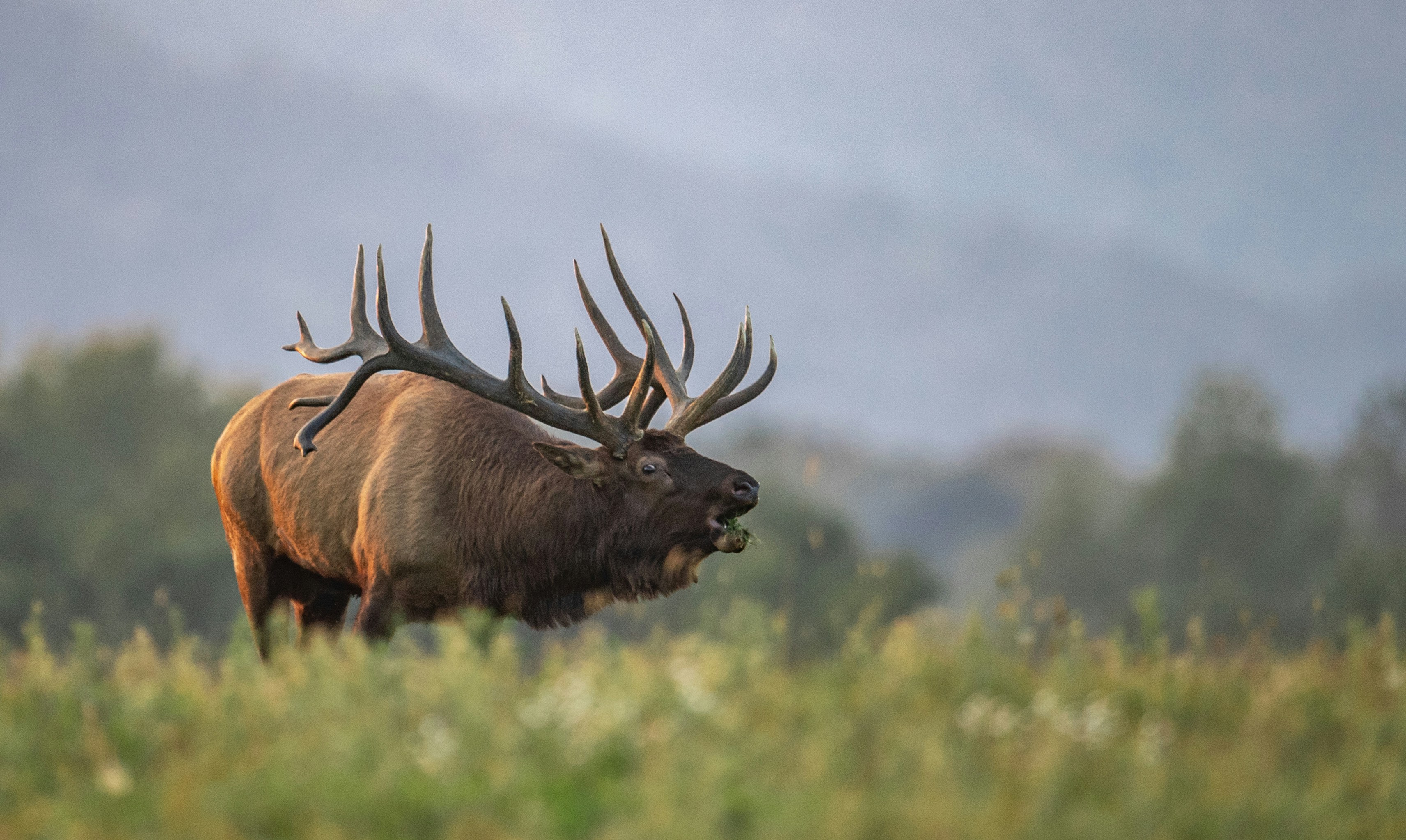
Moose is a very lean, dark game meat eaten in northern parts of Europe and North America. Depending on the cut, it may become a quick-cooked steak, slow stew, smoked meat or richly flavoured burger. A good preparation tastes of place and season without pretending that every wild animal automatically produces a sustainable or authentic meal. Try it through a licensed restaurant, butcher or host using legally hunted, inspected and traceable meat. Ask where it came from, whether it is wild or farmed and which cut is being served. In Sweden, Norway, Finland or Canada, look for a regional preparation with local berries, mushrooms, roots or potatoes rather than a generic novelty sandwich. Lean whole-muscle meat can dry quickly, while tougher cuts reward long, moist cooking; let an experienced cook choose the method. Never buy unlabelled wild meat or accept meat from an uncertain hunt. Rules governing hunting, sale, inspection and transport differ by country, and bringing meat into the UK may be restricted. Wild game can carry pathogens and may contain ammunition fragments. Ask whether lead ammunition was used, trim only as official guidance recommends and remember that frequent consumers of lead-shot game should minimise exposure—especially children, pregnant people and anyone trying to conceive. Minced moose must be cooked thoroughly; store all raw game cold and prevent cross-contamination. Notice the fine grain, low fat and way tart fruit or a slow-cooked sauce complements it. The strongest experience includes an honest account of the animal’s legal source and the cook’s choices. Without that provenance, declining an exotic-sounding plate is better judgement than eating it for a story.