Eat Octopus
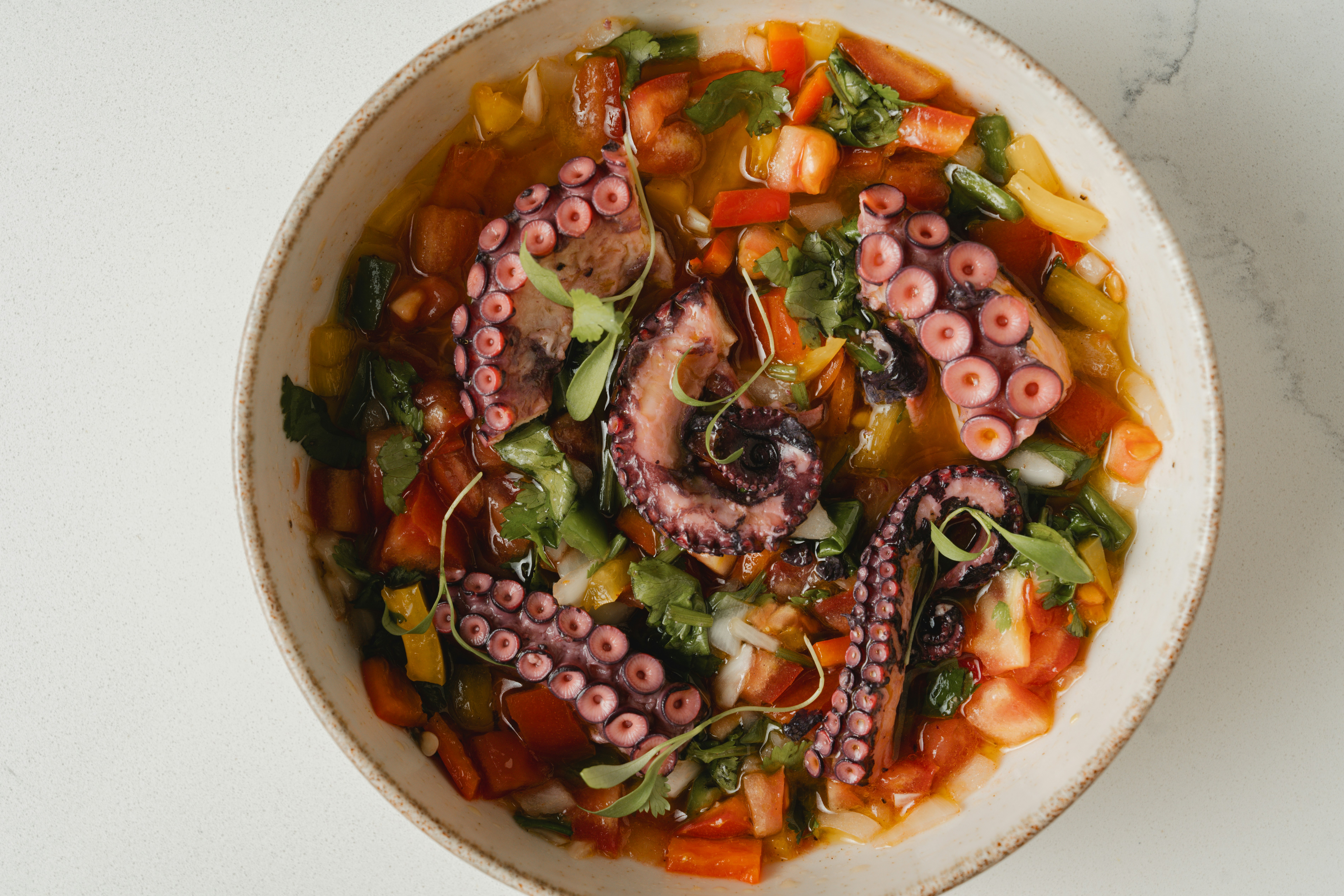
Octopus can be tender and smoky from a Spanish or Greek grill, thinly sliced in Japanese cooking, braised in tomato or folded through a warm potato salad. Its texture depends heavily on preparation: careless cooking makes it rubbery, while skilled tenderising and precise heat produce a firm but yielding bite that carries char, olive oil and acidity beautifully. Choose a reputable restaurant with a recognisable regional dish and ask where the octopus came from. Source, fishing method, species and season can be difficult to establish, but a business taking responsibility should offer more than a vague claim of freshness. Order a modest portion, preferably as part of a shared meal, and pay attention to the cookery and accompaniments rather than demanding a whole animal solely for a photograph. Octopuses are cephalopods recognised as sentient under UK law. Never take part in eating a live octopus or any presentation that relies on avoidable distress; movement on a plate is not proof of freshness worth pursuing. Sustainability varies between fisheries, so consult current independent seafood guidance rather than assuming all octopus is equivalent. Molluscs are a regulated allergen category, and cross-contact with other seafood is common. Use a registered supplier, maintain the cold chain and ensure raw or partly cooked preparations are suitable for you. Notice the difference between a crisp edge and a tender centre, and how lemon, paprika or herbs sharpen the sweet marine flavour. A responsible first taste should leave respect for both the kitchen’s technique and an unusually intelligent animal—not a trophy video built around its shape.