Eat oysters
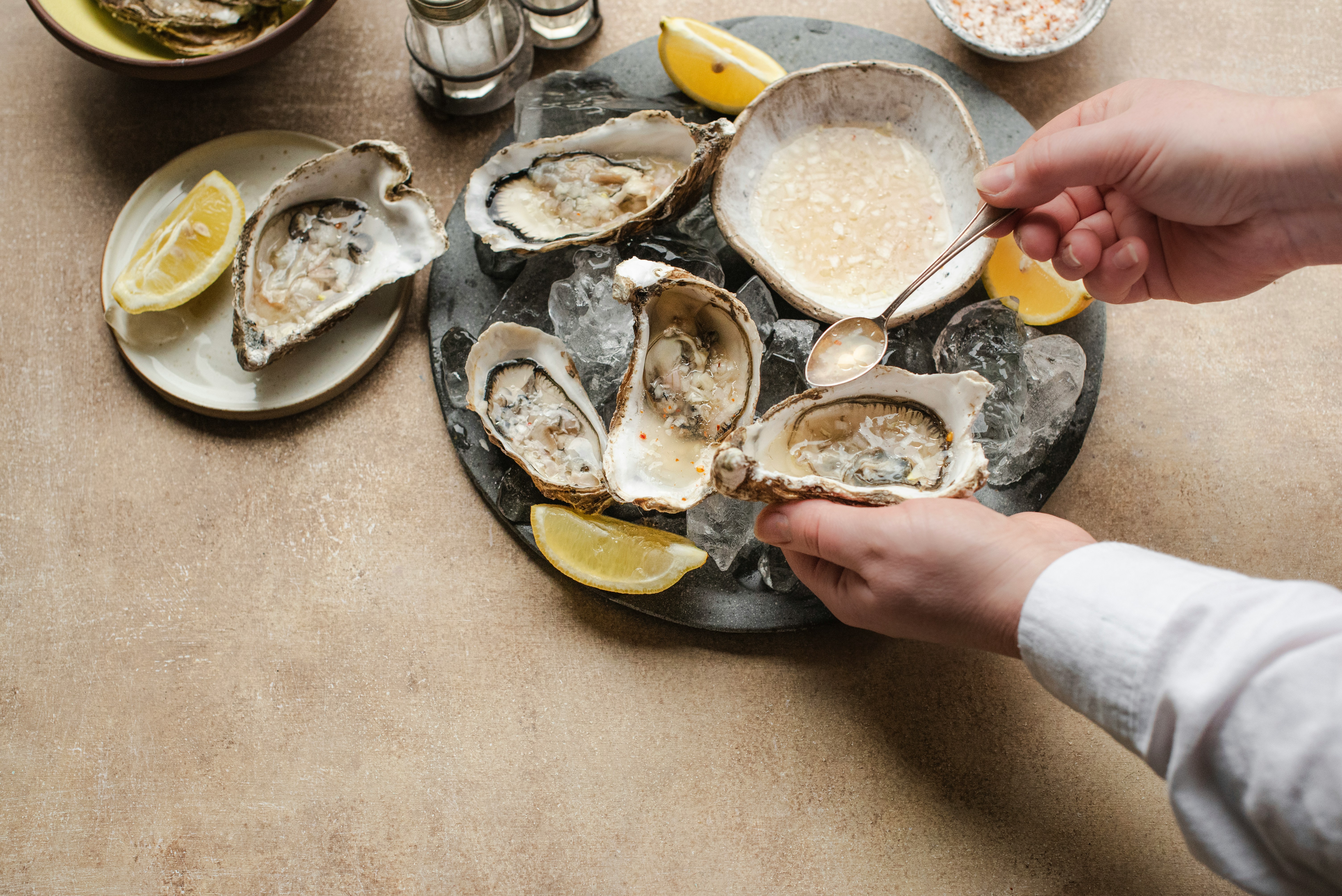
An oyster offers a small, concentrated encounter with its growing waters: briny liquor, soft flesh, a mineral finish and sometimes cucumber or melon notes. Different species, coastlines and seasons produce recognisably different tastes. Trying them side by side at a responsible oyster bar is more revealing than covering the first one in sauce and swallowing without chewing. Choose a busy, reputable fishmonger, restaurant or producer that keeps shellfish cold and can identify the harvest area. Ask for two contrasting oysters and have the server show you the deep cup, liquor and cleanly cut muscle. Smell first, chew gently and try one plain before adding lemon, shallot vinegar or hot sauce. If opening them at home, use a proper oyster knife, a folded cloth or protective glove and a stable surface; never point the blade towards your hand. Raw oysters can carry norovirus and other harmful organisms even when they look and smell normal, and sewage contamination can trigger harvest closures. Buy only through an approved supply chain, check current recalls or local warnings and keep them properly chilled. People who are pregnant, older, immunocompromised or living with liver disease should follow current clinical and food-safety advice and may need to choose thoroughly cooked oysters. Molluscs are a regulated allergen, while toppings may add sulphites or other allergens. Discard damaged, dead or dubiously stored shellfish. Compare salinity, sweetness, firmness and finish, noting which coast and producer supplied each shell. The pleasure comes from learning to taste a living coastal product with appropriate caution—not from treating rawness, speed or quantity as a measure of courage.