Eat Pigs Ear
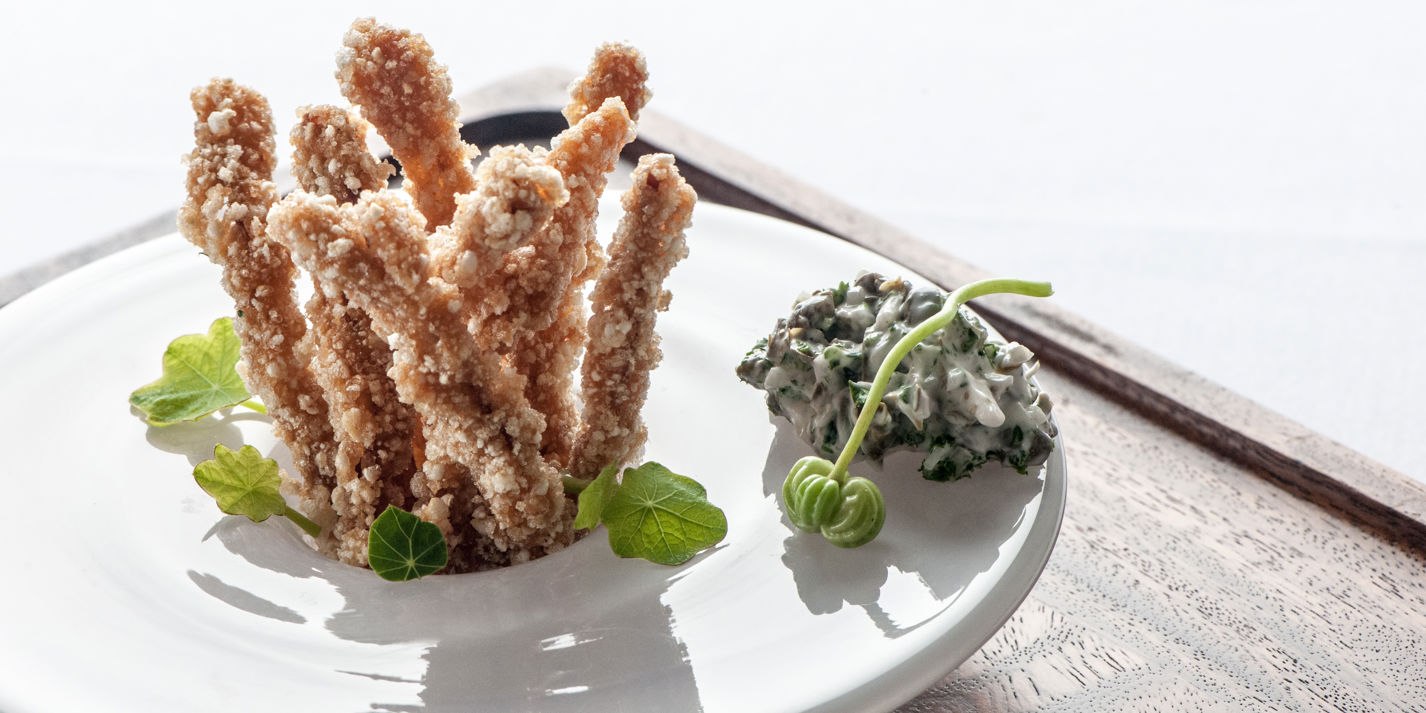
Pig’s ear is mostly skin and cartilage, which gives it a texture unlike an ordinary cut of pork. Long braising can make it tender and gelatinous; slicing and frying afterwards turns the edges crisp while preserving a pleasant chew. It appears in Chinese cold dishes, Filipino sisig, European charcuterie and bar snacks shaped by different seasonings and techniques. Try it in a restaurant known for one of those preparations and ask what the kitchen has done before it reaches the plate. A chilled, finely sliced ear dressed with chilli and vinegar is a different experience from a breaded crisp piece or a component of sisig. Begin with a shared portion and keep the traditional garnishes. The aim is to understand why texture is prized, not to request the most anatomically theatrical presentation. Use only inspected, traceable pork from a registered butcher or food business. At home, keep it chilled, separate raw-meat equipment and follow a reliable recipe that includes thorough cooking; cartilage needs time, and frying cannot compensate for inadequate preparation beforehand. Check soy sauce, coatings, stocks and dips for soya, wheat, sesame, egg and other allergens. Let fried pieces cool enough to bite safely, and eat carefully if a very crisp edge or small fragment could be difficult to chew. Pay attention to the progression from browned surface to yielding cartilage and to the acidity that cuts through richness. A well-made pig’s-ear dish demonstrates patient, resourceful whole-animal cookery. Its value lies in a culture’s precise handling of the cut, not in awarding bravery for recognising what it is.