Eat Puffin
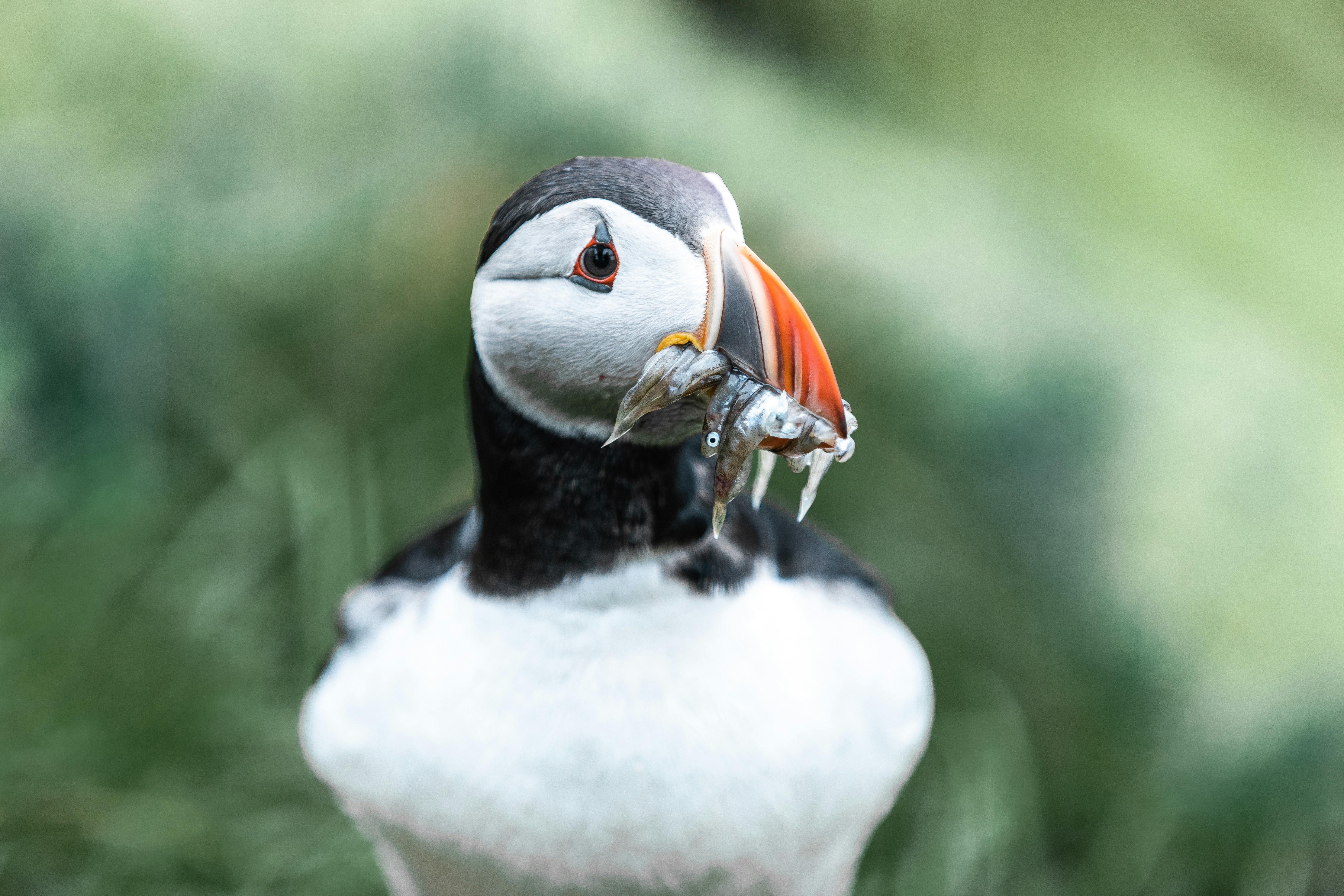
Puffin has been eaten in some North Atlantic island communities, most visibly in Iceland and the Faroe Islands, where seabird harvest once contributed to food security in difficult coastal environments. The dark meat may be smoked, grilled or preserved. That history is real, but it does not turn a vulnerable wild bird into a consequence-free tourist challenge. Before considering a plate, check the current law, season and conservation advice for the exact country and species. Puffins and other wild birds are protected in the UK, so this is not an activity to source at home. Abroad, use only a licensed restaurant able to name its legal supplier and explain the harvest; a menu listing alone is weak evidence. If staff cannot answer, choose a local fish or lamb dish and visit a responsibly managed puffin colony instead. Wild seabird populations face changing food supplies, extreme weather, invasive predators and other pressures, and the position can differ between colonies. Never buy an unlabelled bird, egg, meat or souvenir, and do not carry wildlife products across a border without confirmed permission. Legally supplied game still requires chilled storage and thorough cooking. Ask whether lead ammunition was used, check accompaniments for allergens and follow current travel-health advice. A small legal portion is sufficient; waste is especially indefensible here. If you proceed, listen to the local account of harvest and preparation rather than repeating claims about exotic bravery. The most responsible completion may be deciding not to eat puffin after checking present conditions. Cultural history deserves respect, but respect also means allowing conservation evidence to change a traveller’s plan.