Eat sashimi
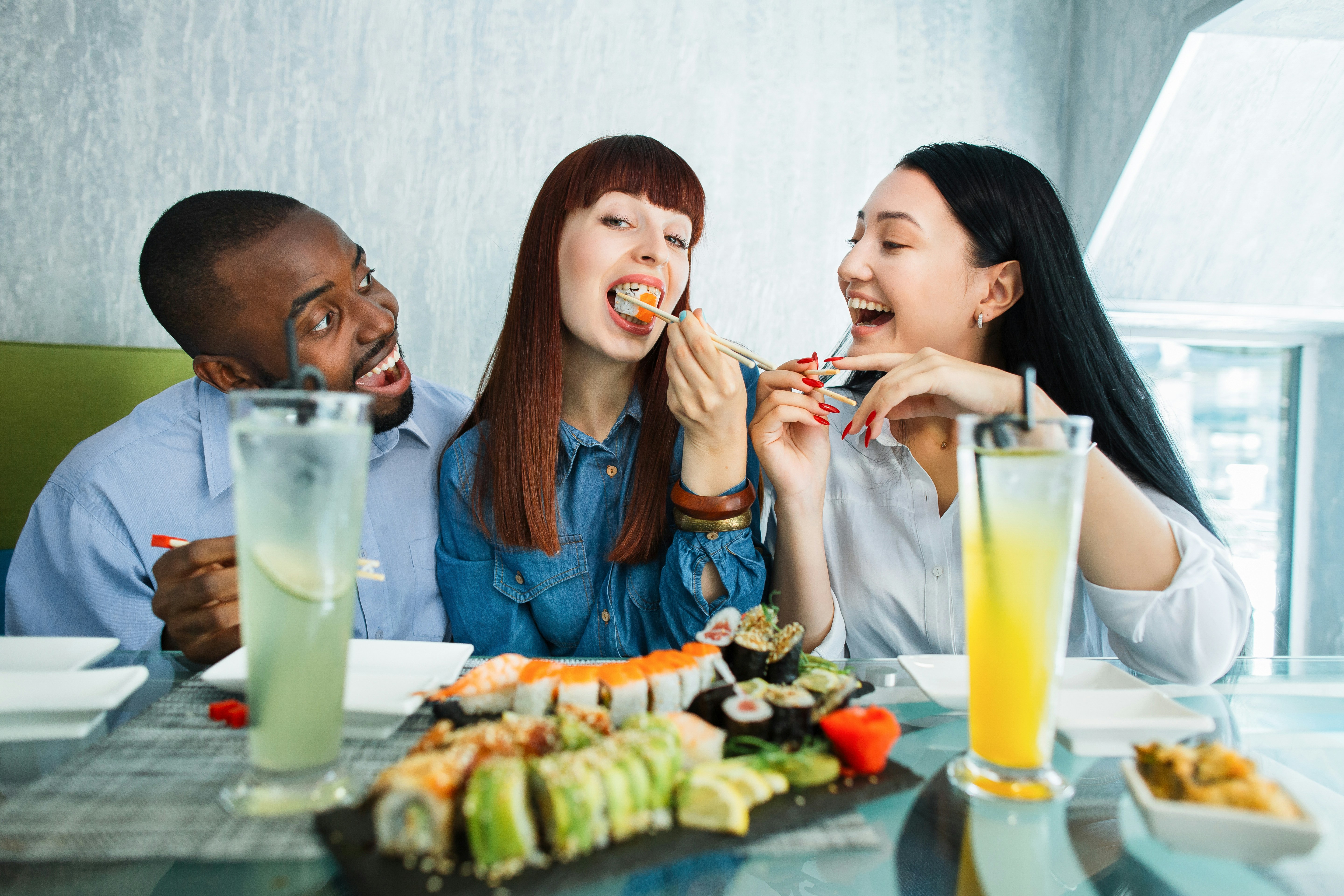
Sashimi places sliced raw or otherwise carefully prepared seafood at the centre of the plate without sushi rice. Tuna can be lean or richly marbled, salmon soft and oily, sea bream clean and firm, and scallop sweet and yielding. Knife work, temperature and the direction of each cut shape the experience as much as species. Choose a reputable Japanese restaurant with strong seafood handling and order a small selection recommended that day. Sit at the counter if it is comfortable, ask what each piece is and taste it before adding much soy sauce or wasabi. A mixed plate should progress through gentler to richer flavours. Do not demand endangered species or equate a high price with quality; season, legal source and the chef’s judgement are better guides. Fish intended to be eaten raw requires specific parasite controls, often including a validated freezing treatment unless a documented exemption applies. Fresh appearance, citrus and wasabi do not kill every hazard. Use only a food business managing those controls and the cold chain—never ordinary supermarket fish or a recreational catch unless it is explicitly suitable for raw consumption. Fish and molluscs are regulated allergens, and soy sauce may contain wheat. People who are pregnant, older, immunocompromised or otherwise medically vulnerable should follow current NHS and food-safety advice and may need a cooked choice. Notice temperature, grain, fat and the different finish of each piece, pausing between them rather than chasing quantity. Good sashimi is a lesson in sourcing and restraint: very little is hidden, so the quality of handling and the clarity of the restaurant’s answers matter.