Eat Scorpion
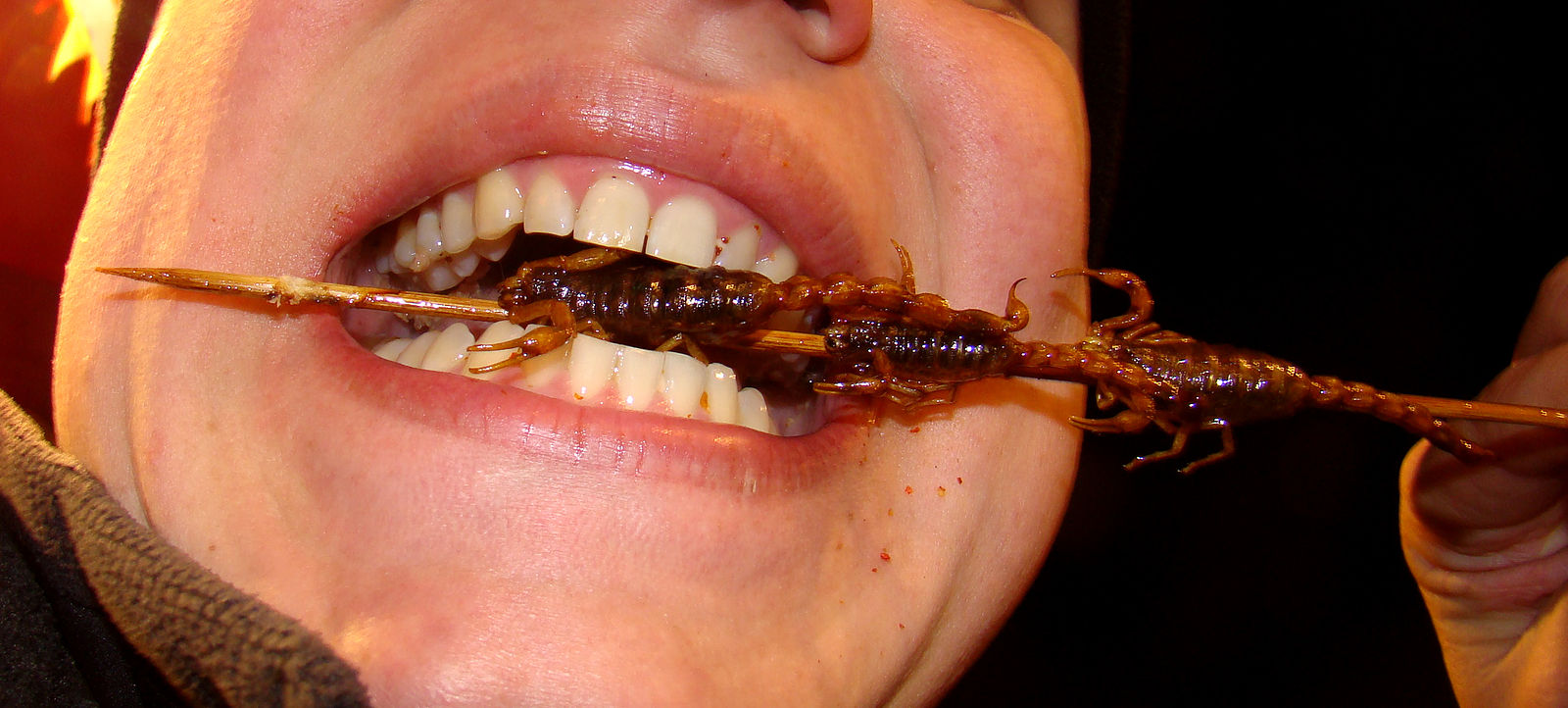
A food-grade scorpion is generally served cooked and crisp, with its mild interior secondary to roasting, frying and seasoning. Scorpions appear in some markets, spirits and novelty-food ranges, but availability does not prove that every species, seller or preparation is lawful and safe. It is an arachnid, not an insect, and should not be gathered casually. Only try one from a registered food business using a species deliberately processed for human consumption. Ask for the ingredient label, country of origin and preparation method, and choose a cooked product rather than a live-animal display. A small portion is enough to examine the brittle shell and seasoning. Do not accept a wild-caught specimen, an unidentified souvenir or a vendor’s unsupported claim that removing a stinger makes any scorpion edible. Venom, contaminants, microbial hazards and misidentification cannot be assessed by appearance, while drying alone is not a universal safety control. Follow the producer’s storage and use-by instructions and avoid homemade infusions or preserved specimens not sold as food. Arthropod proteins may pose allergy concerns, particularly for some people with crustacean or mite allergy, although evidence varies by species; anyone with a serious allergy should seek clinical advice and avoid uncertain products. Hard fragments can also injure the mouth, so chew carefully and never make it a speed-eating challenge. Notice whether the experience offers any real culinary quality beyond the shape. A responsible tasting should involve legal provenance, competent processing and informed consent. If those are missing, refusing the skewer is not timidity—it is the only conclusion supported by the evidence.