Eat Southern BBQ in the South
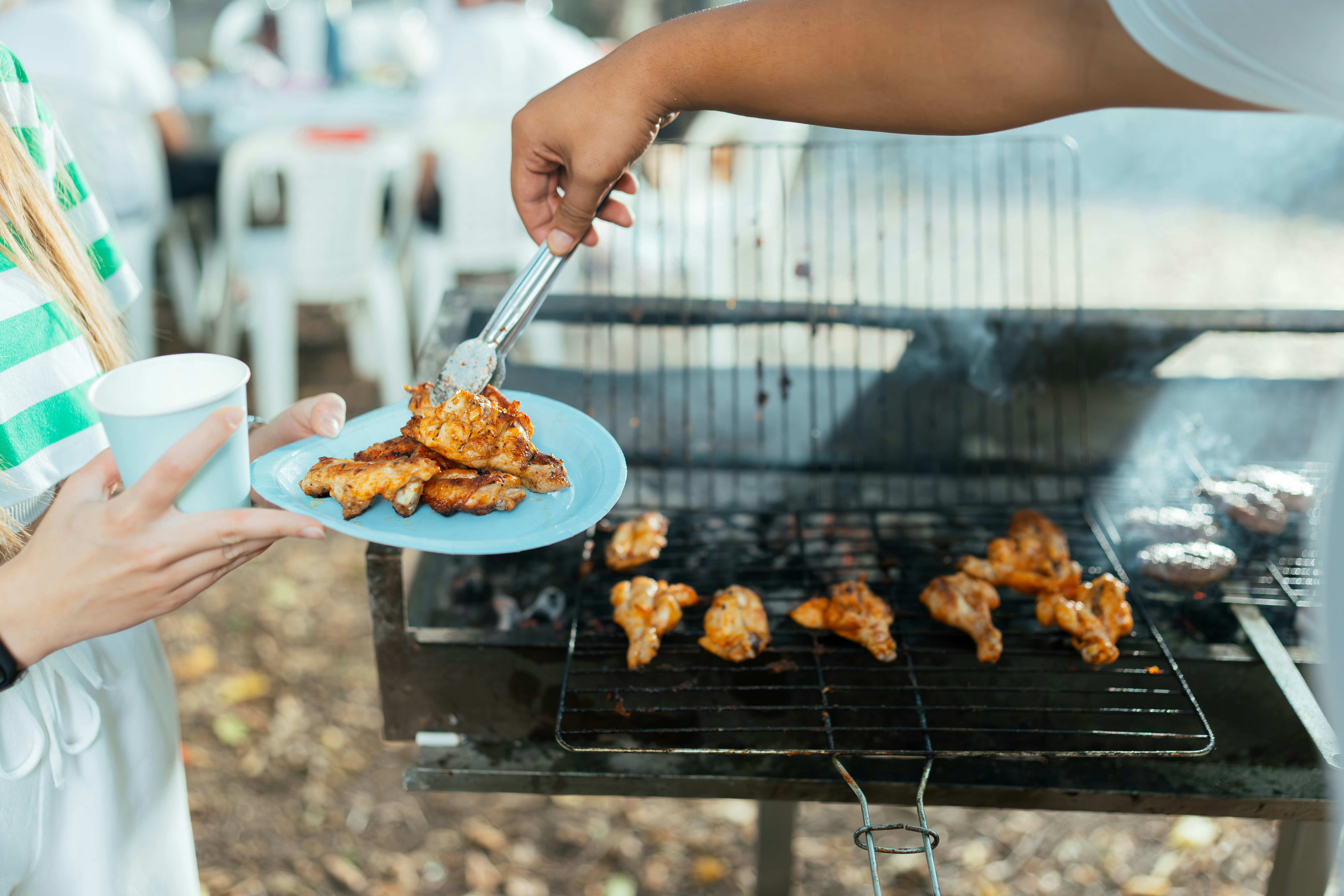
Southern barbecue is not one recipe spread across the American South. Eastern North Carolina whole hog with peppered vinegar, South Carolina mustard sauce, Memphis pork ribs and Texas brisket each reflect different meats, woods, communities and histories. Smoke and slow heat are the shared grammar, but reducing them all to sticky sauce misses the point. Build a small route around one region rather than attempting a greatest-hits tour in a single meal. Choose an independent pit or community institution with a clear local following, arrive before popular cuts sell out and ask for a modest sampler with the house’s proper sides. Taste the meat before adding sauce. Speak respectfully with staff and notice who owns, cooks and receives credit: Indigenous technique, African American labour and expertise, immigration, ranching and regional agriculture all helped shape Southern foodways. Check current opening hours, neighbourhood transport and severe-weather advice, especially on a road trip. Barbecue can be rich, salty and served in large portions, so share plates, drink water and refrigerate take-away meat promptly. Ask about mustard, wheat, milk, egg, nuts and other allergens in rubs, sauces, bread and sides. Meat should come from a regulated food business and be held at safe temperatures; smoke colour or a pink smoke ring is not by itself a measure of doneness. Compare bark, smoke aroma, tenderness and the balance provided by slaw, beans, greens or pickles. The best trip leaves you able to describe one place’s decisions precisely. Southern barbecue is a living network of regional traditions, not a single trophy platter or a contest to consume the most meat.