Eat truffles
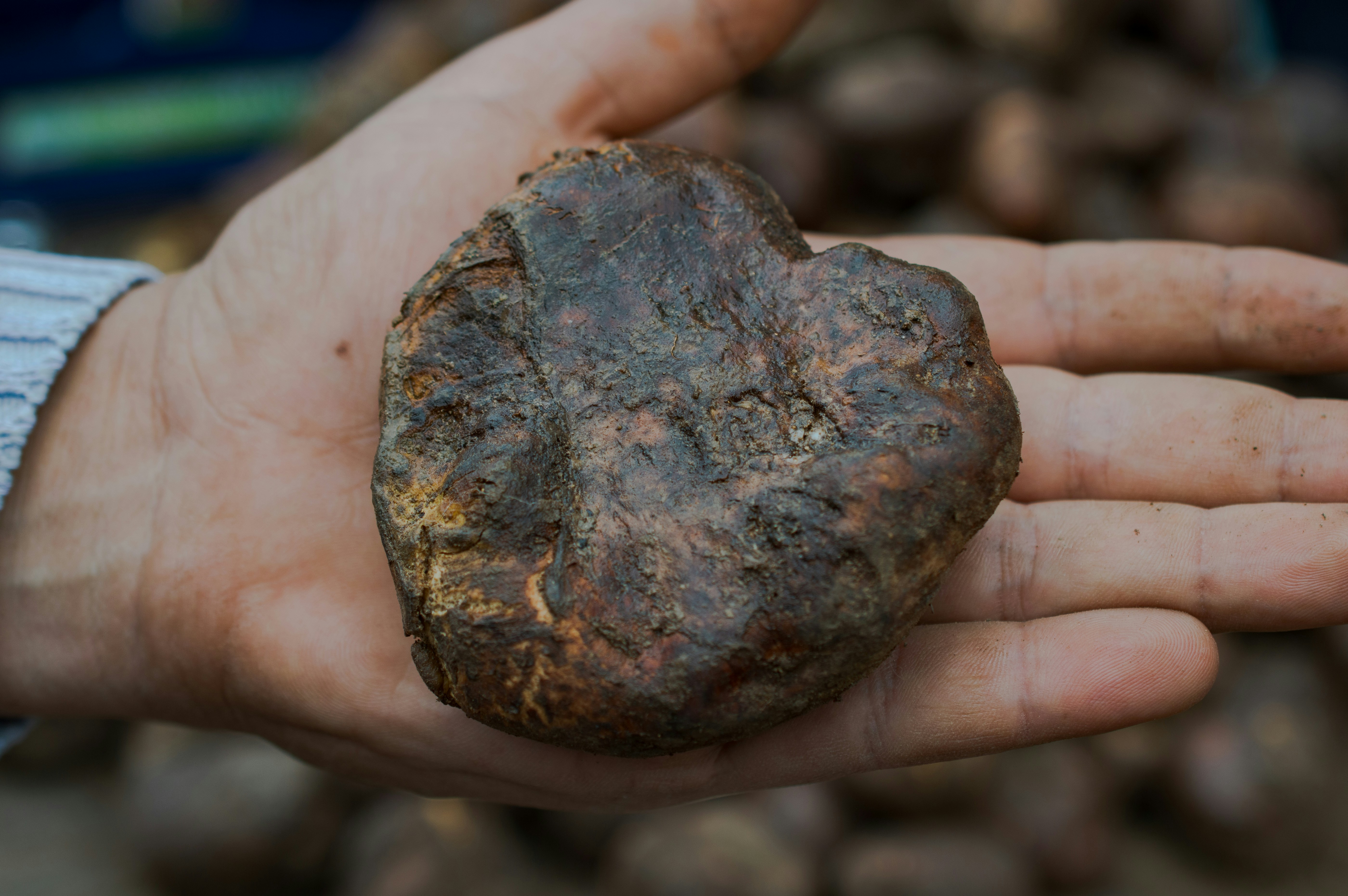
Fresh culinary truffles are underground fruiting bodies of particular fungi, valued for an aroma that can suggest woodland, garlic, earth, honey or musk depending on species and maturity. White truffle is usually shaved raw over warm food; black truffle may be gently heated. A few thin shavings can transform a simple egg, pasta or potato dish. Plan the experience in season at a reputable restaurant, market or specialist retailer able to state the species, country of origin and harvest date. Names such as Alba white truffle or Périgord black truffle should describe something verifiable, not merely a flavouring. Ask to smell the intact truffle if appropriate and choose a plain dish that releases its aroma. Fresh truffle, preserved truffle, truffle oil and synthetic truffle flavour are different products, so understand what the price is buying. Fraud and substitution occur in a high-value trade. Buy clearly labelled food from an established supplier, keep fresh truffle refrigerated as instructed and use it promptly; declining aroma, slime or mould are warnings, not added complexity. Do not dig on land without the owner’s permission or eat a wild fungus identified only through an app or photograph. Check the complete dish for egg, milk, gluten and other allergens, and confirm customs rules before bringing fresh fungi home from abroad. Smell before tasting, then notice how warmth lifts the aroma and fat carries it across the palate. The best truffle meal is often restrained rather than extravagant. Its achievement lies in recognising a seasonal ingredient of known identity and origin—not in covering every course with anonymous oil or proving how much you can spend.