Eat turbot
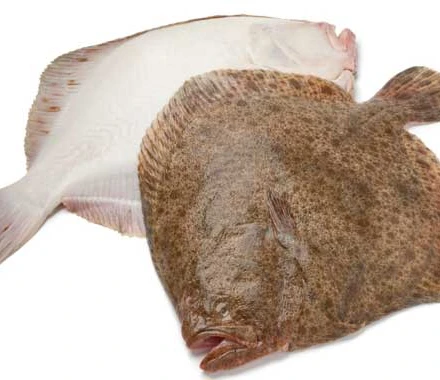
Turbot is a broad, thick flatfish with firm white flesh, large flakes and natural gelatine around the bones. Roasted whole, grilled over charcoal or cooked as a substantial on-the-bone portion, it can feel both delicate and deeply savoury. The fins and collars reward careful eating, while a restrained sauce lets the fish remain central. Choose a fishmonger or restaurant that can give the catch or farming area and production method, then check that exact source against the current Good Fish Guide. Sustainability varies: a species name alone is not enough. The Marine Conservation Society presently distinguishes better-rated North Sea and certified Spanish farmed options from sources needing improvement, but ratings change. Order enough for the table rather than demanding an oversized display fish, and ask the kitchen to serve the bones or explain the different cuts. Keep retail fish properly chilled and cook it according to reliable guidance until the flesh is opaque and separates easily, unless a regulated restaurant is serving a specifically controlled preparation. Fish is a regulated allergen; sauces may add milk, crustaceans, molluscs, sulphites or gluten. Fine bones can remain even in a carefully portioned fillet, so eat attentively. Do not rely on luxury pricing, wild-caught language or a vague ‘local’ claim as evidence of legality or environmental quality. Compare the moist central flakes with the richer meat beside the fins and notice how skin, bone and gentle heat contribute body. Turbot is memorable when excellent sourcing meets precise cookery. Knowing the origin should be as much a part of the pleasure as watching a waiter lift off the fillets.