Eat Yak
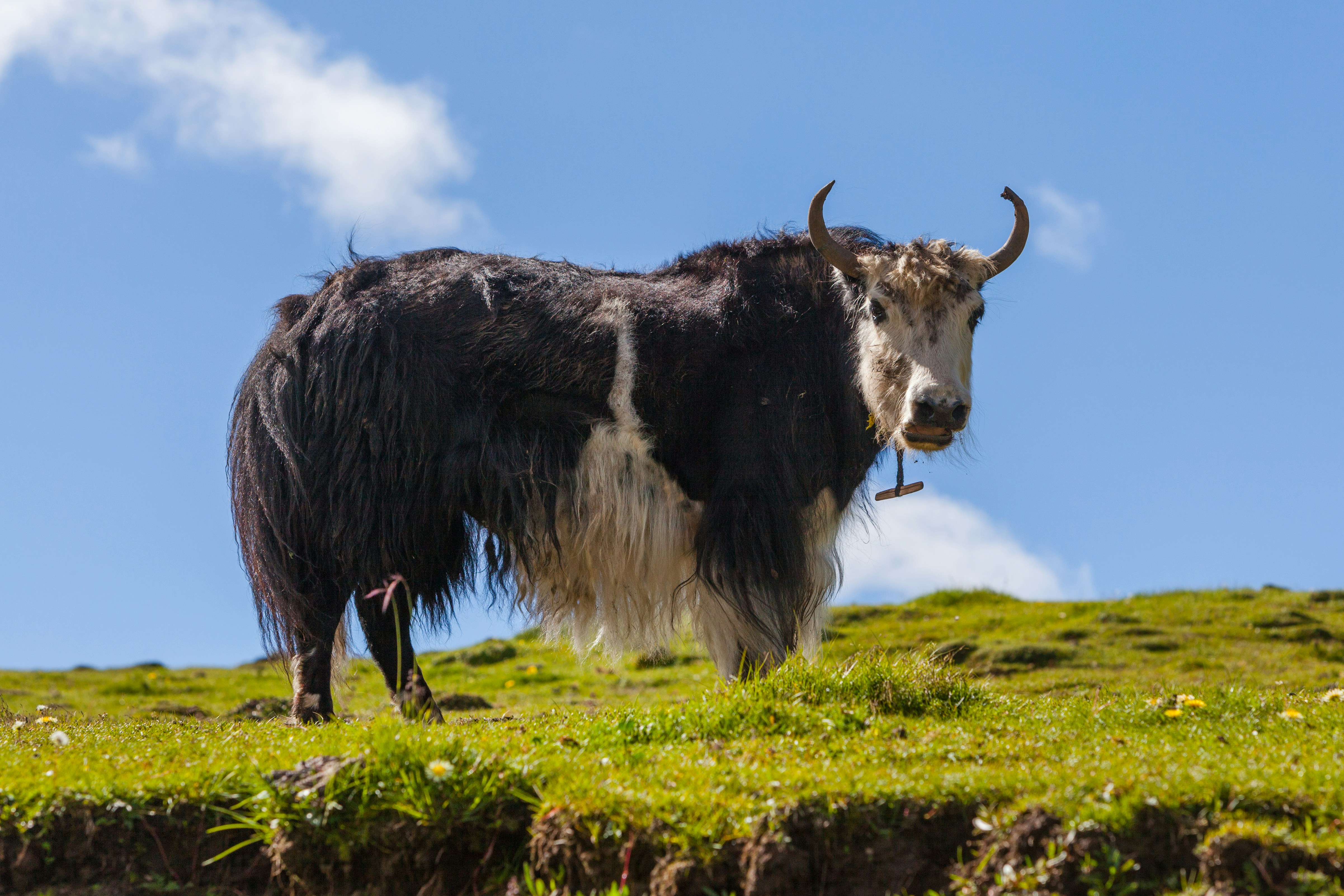
Yak meat is a lean, dark red food of high-altitude regions across the Tibetan Plateau, Himalayas and parts of Central Asia. It can be dried, minced into momo dumplings, simmered in stew or served as a steak where regulated supply permits. The flavour is often compared with beef but reflects a different animal, landscape and pastoral system. Try it through a licensed restaurant, market producer or community-led food experience able to distinguish yak from cattle and explain the meat’s origin. Choose a regional preparation rather than a tourist burger whose only claim is novelty. In Nepal, Tibet or Bhutan, ask what is commonly eaten locally and let dumplings, noodles, butter tea or vegetables provide context. If cultural interpretation is part of the offer, prefer hosts connected to the communities whose foodways are being described. Use only inspected, traceable meat kept under proper refrigeration. Do not buy dried or raw meat from an unlabelled stall, and check present import rules before carrying any animal product home. Cook mince and dumpling fillings thoroughly; follow a regulated producer’s guidance for intact cuts and prevent raw juices contaminating other food. High altitude can affect appetite, hydration and cooking, while remote travel may limit medical help, so do not combine an unfamiliar rich meal with rapid ascent or heavy alcohol. Notice the close grain and how drying, steaming or slow cooking changes it. A worthwhile plate should make the herder, region and preparation more specific rather than collapsing an enormous area into a vague ‘Himalayan’ theme. Yak is meaningful as part of a living pastoral food system, not simply beef with a more adventurous name.