Get a Foot Massage
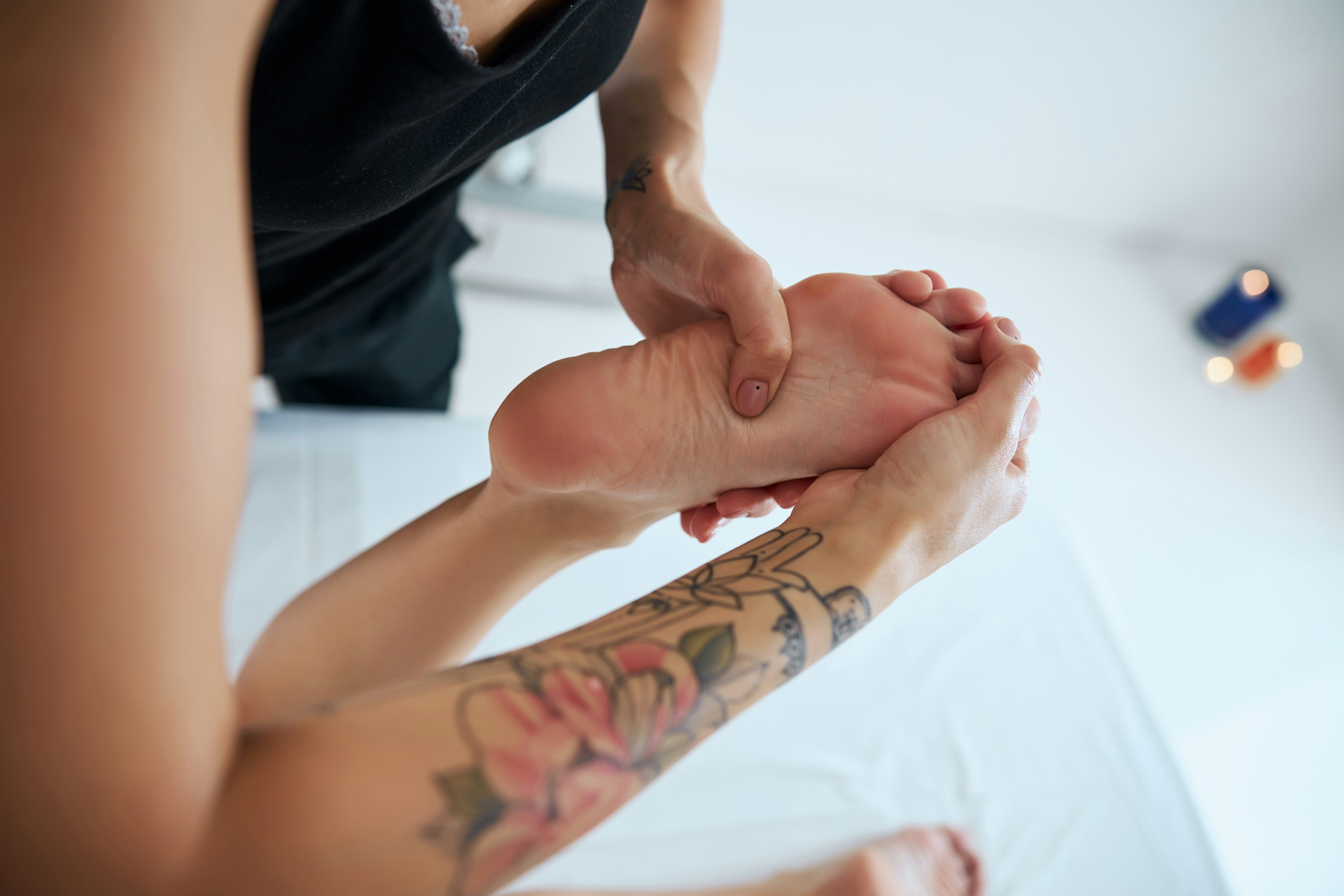
A foot massage uses pressure, stroking and movement across the feet and sometimes lower legs to create comfort after walking, standing or training. It may feel restorative because the feet contain many sensitive structures, but relaxation should not be confused with diagnosing illness or proving reflexology claims. A good session is negotiated touch with a clear boundary, not something to endure. Choose an insured practitioner or reputable spa with clean linen, hand hygiene and a private consultation. Explain where touch is welcome, desired pressure and whether oils will be used. Mention pregnancy, recent injury or surgery, swelling, pain, numbness, skin or nail infection, blood-clot history, circulation problems, anticoagulants and diabetes. People with diabetes or poor sensation should seek advice from their clinician or podiatrist before foot treatments. Postpone for open wounds, unexplained redness, heat, one-sided swelling, severe pain or suspected infection and obtain healthcare advice instead. Test unfamiliar oil on a small area where appropriate, protect modesty and agree a stop signal. Pressure should feel comfortable and responsive; sharp pain, tingling, dizziness or breathlessness means stop. A massage therapist should not promise to treat organ disease through points on the foot or discourage medical assessment. Begin with a shorter session, notice whether lighter or broader pressure works best and rise gradually afterwards. Ask for simple home-care suggestions such as suitable footwear or moisturising only when relevant, and never apply cream between toes if clinical advice says otherwise. Completion is a safe period of relief with skin intact and consent maintained throughout—not accepting pain because somebody claims it releases toxins.