Get a Sexual Health Check Together
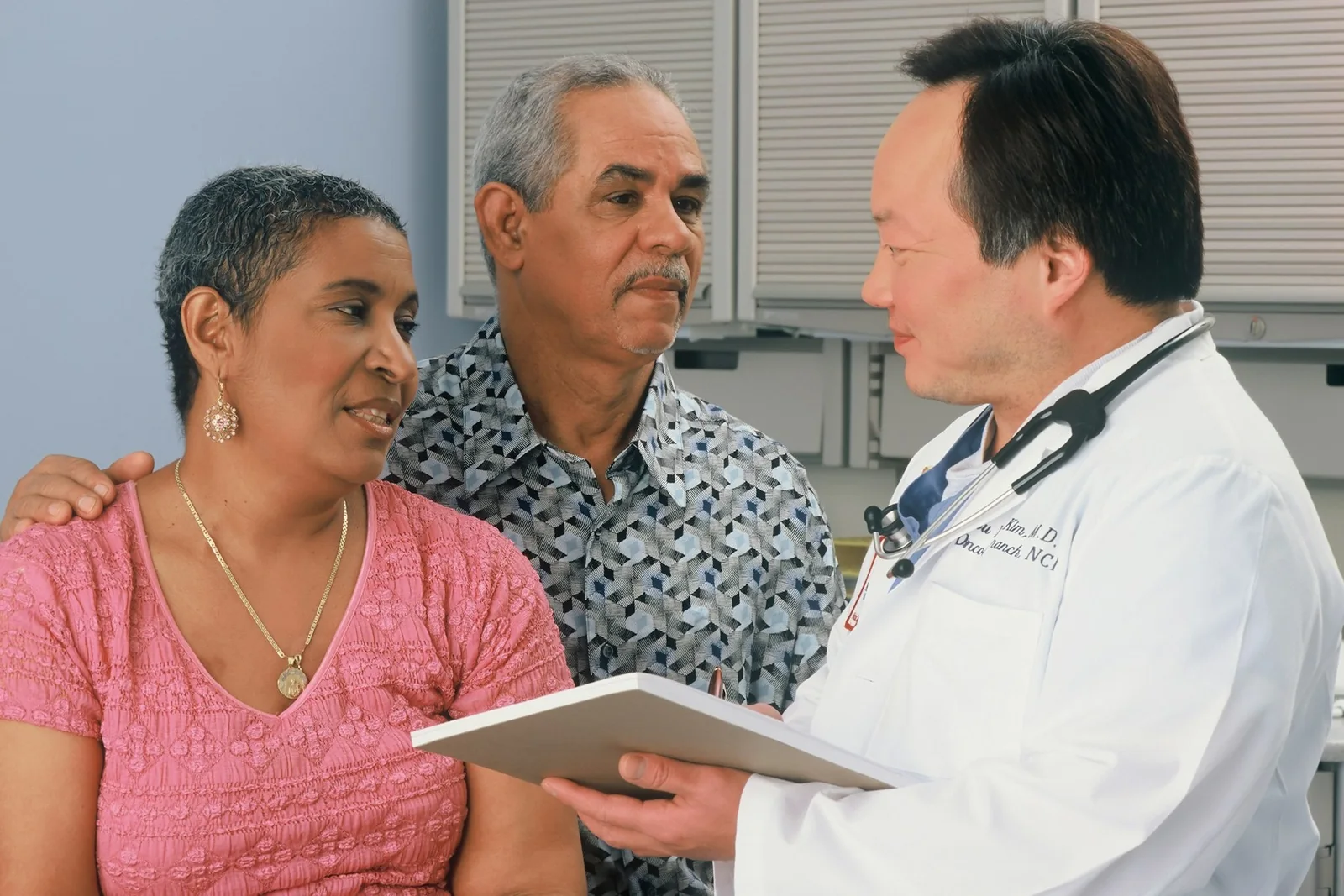
Replace guesswork with information by arranging sexual-health checks and talking openly about the results. Going through the process at the same time can make testing feel like shared care rather than an accusation, particularly at the start of a new sexual relationship or after circumstances have changed. A check is individual even when the intention is shared. Each person needs their own confidential assessment because suitable tests depend on sexual history, timing, symptoms and the parts of the body involved. Depending on that assessment, testing may use urine, blood or self-taken swabs. One person's negative result does not establish the other's status, and some infections cannot be detected immediately after exposure. Use an NHS sexual-health clinic, participating GP or pharmacy, or an approved home-testing service. Check whether you need an appointment and follow advice about when to test. Attend separately if either person wants privacy; a supportive partner does not demand access to medical records or passwords. If symptoms, a recent risk or possible exposure to HIV are involved, seek professional advice promptly rather than waiting for a convenient joint date. Agree how you will handle results before they arrive, including treatment, informing previous partners and temporary changes to sexual activity. Keep the conversation free of blame and follow the clinic's advice. Add this to your list as a practical act of trust: responsibility is clearest when both people retain consent, confidentiality and control over their own care.