Give Blood
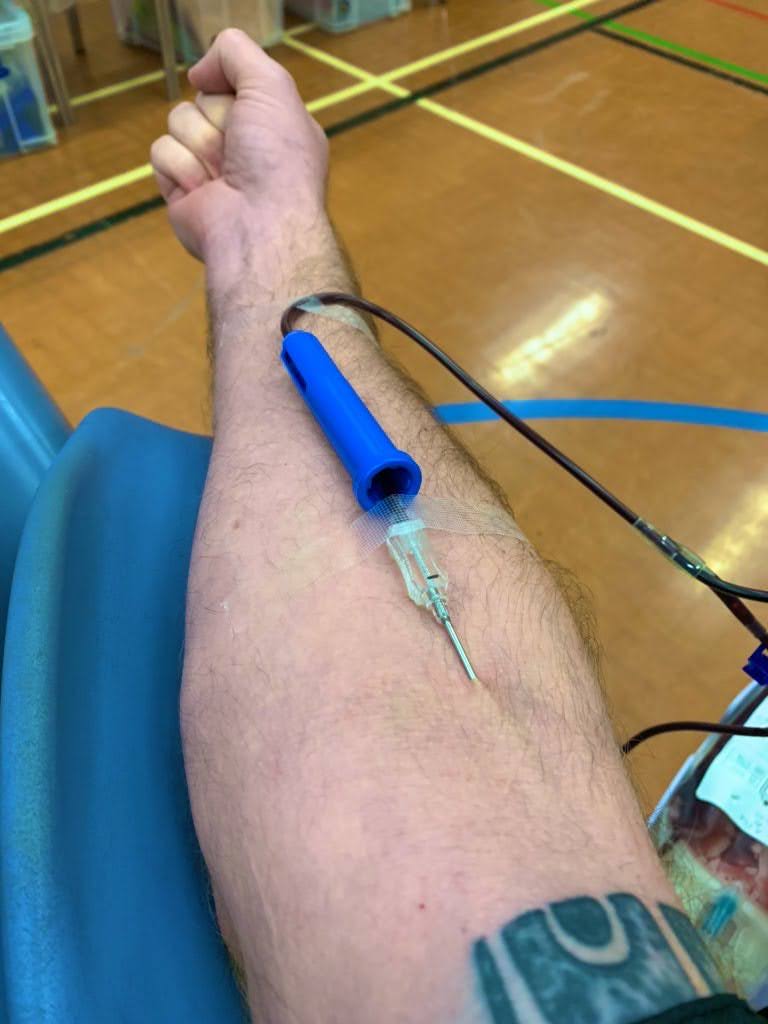
Giving blood is a controlled donation in which trained staff collect blood that can be separated into components for patients. The appointment includes identity and health checks, haemoglobin screening, the donation itself and recovery refreshments. It is a direct practical contribution, but eligibility protects both donor and recipient and can change with health, medication, travel and current service needs. Use the official blood service for your UK nation, create a donor account and check current eligibility before booking. Answer the health questionnaire and confidential interview completely, including recent illness, procedures, pregnancy, medicines, travel, tattoos, piercings and sexual-health criteria. Do not withhold information to avoid a deferral; staff can explain whether it is temporary, permanent or needs additional evidence. Eat normal meals, drink the amount of water advised, avoid heavy exercise around the appointment and bring accepted identification. Tell staff about previous fainting, needle anxiety, difficult access or feeling unwell. During collection, follow positioning and muscle-tensing advice and report pain, tingling, nausea or dizziness immediately. The service may stop a donation for safety even after it has begun, which is responsible care rather than failure. Rest for the stated period, have refreshments, keep the dressing on as advised and avoid strenuous use of the arm and hazardous activity until recovered. Seek the service’s advice for persistent bleeding, worsening pain or illness after donation, especially if information might affect the donated blood. Completion is one accepted donation or an honest eligibility assessment—not forcing a target despite deferral or judging people who cannot donate.