Go Fat Biking
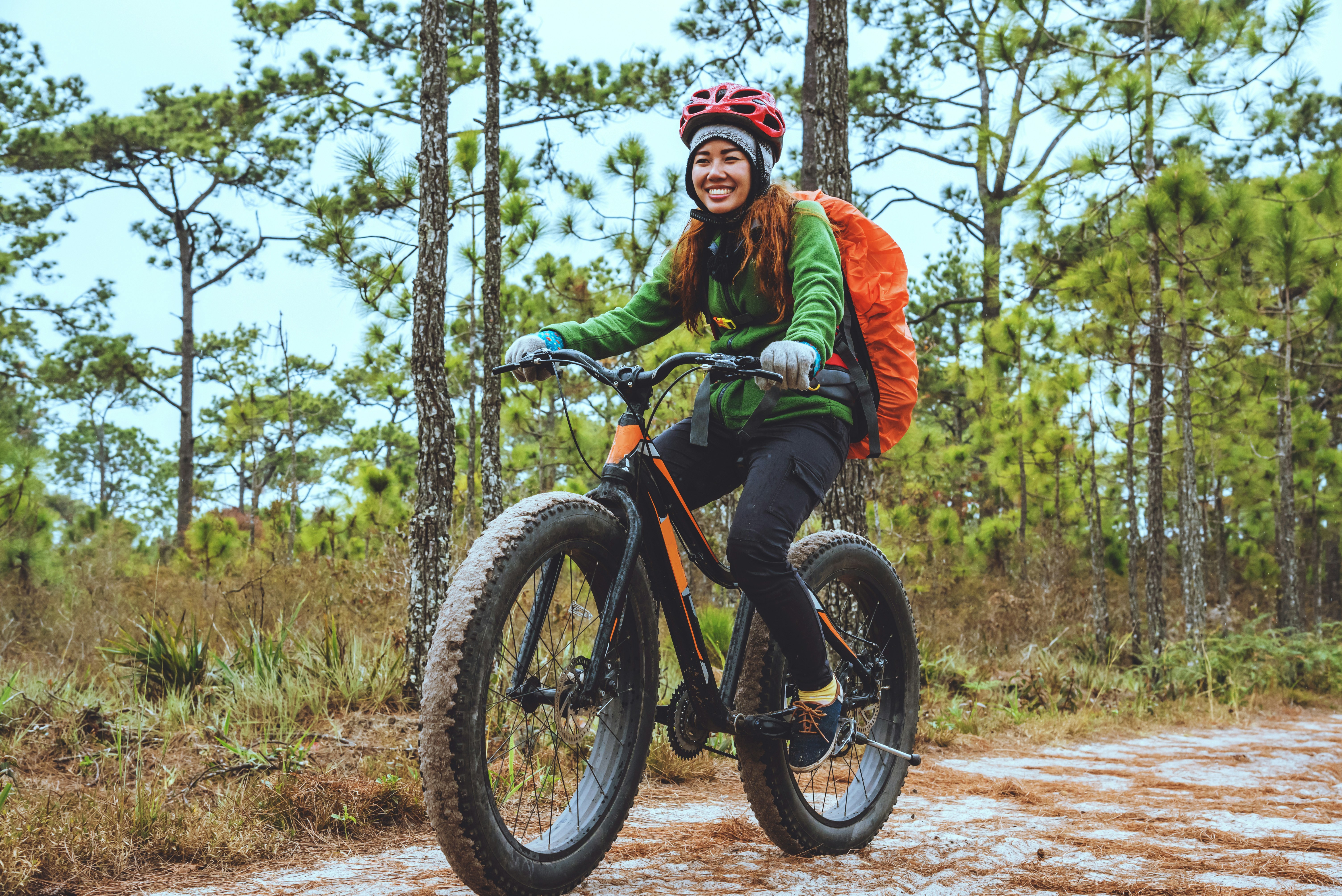
Fat biking uses a mountain bike with exceptionally wide, low-pressure tyres to float over loose ground such as snow, sand, peat or soft forest trail. The bike looks oversized, yet the appeal is subtle: abundant grip, slow momentum and the feeling of exploring a surface that would stop an ordinary tyre. It is still mountain biking, not an all-terrain exemption. Hire first from a specialist operator and choose a waymarked route matched to your fitness and handling skills. Ask staff to set saddle height and tyre pressure for your weight, the bike and that day's surface; there is no universal pressure, and going too low can damage a rim or cause instability. Wear a helmet, gloves and weather-appropriate layers, and carry a pump, repair kit, water and charged phone. Check trail openings, grading, wind, temperature and daylight before departure. Use designated cycle trails, obey closures and reduce speed around walkers, horses, dogs and blind bends. Wide tyres can still rut saturated soil and damage fragile dunes, so turn around when the surface or land manager's guidance says riding would cause harm. Remote winter routes require stronger navigation, emergency and cold-weather planning. Begin in an easy gear, keep movements smooth and allow a longer stopping distance on snow or sand. Experiment with small pressure adjustments only within the hire provider's limits and notice how grip and steering change. Completion is a controlled ride on a suitable soft-surface route, returning the landscape and bike in good condition—not conquering protected terrain, building an unauthorised trail or assuming large tyres can rescue poor judgement.