Go horseback riding
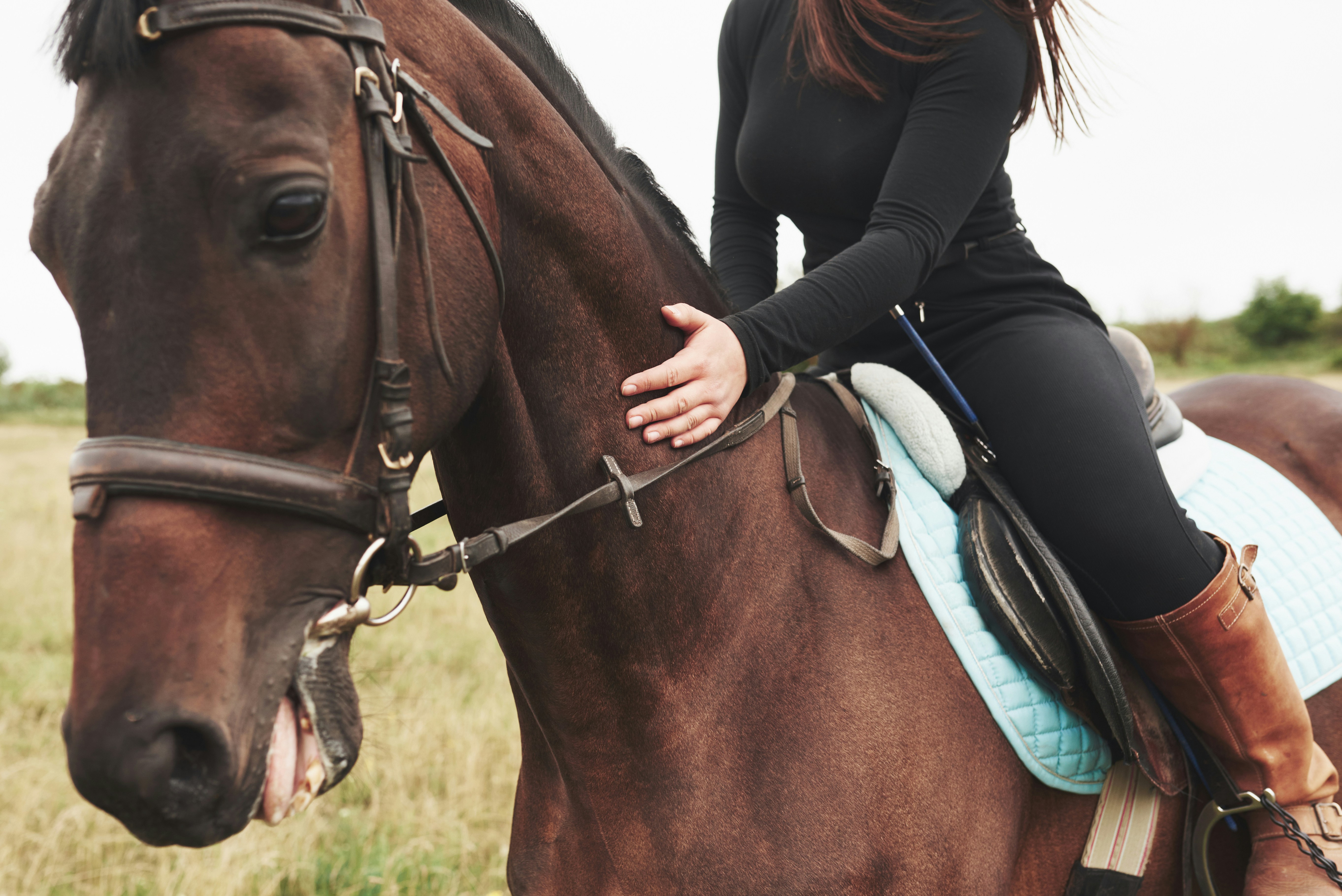
Horse riding begins with learning to communicate with a living animal through balance, leg, seat and light rein aids. From the saddle, even a walking circle asks for posture and awareness that no exercise machine can reproduce. A good first session is not about speed; it is the moment horse and rider begin to understand one another. Book an introductory lesson at a licensed riding school, ideally a BHS-approved centre, and give accurate height, weight, experience, disability and health information so staff can match horse, equipment and instructor. Ask about accessibility and mounting assistance if needed. Wear long trousers and boots with a small heel; use a properly fitted riding hat meeting the centre's current standard rather than relying on an old or borrowed helmet of uncertain history. Before mounting, learn how to approach, where to stand and how the horse signals discomfort. The instructor should check tack, girth and stirrup length and explain halt, walk, steering and an emergency response. Keep phones away, follow arena spacing and never kick, pull or punish through confusion. Horse welfare comes before achieving a gait, and staff should change or stop the session if either participant is struggling. Practise a balanced halt, several controlled turns and a steady walk before considering trot. Afterwards, thank the horse, report any soreness or concerning behaviour and reflect on one physical skill rather than whether you looked polished. Completion is a supervised lesson in which you guide a suitable horse safely and begin learning its responses—not hiring an animal without instruction or forcing progress for a photograph.