Go Magnet Fishing
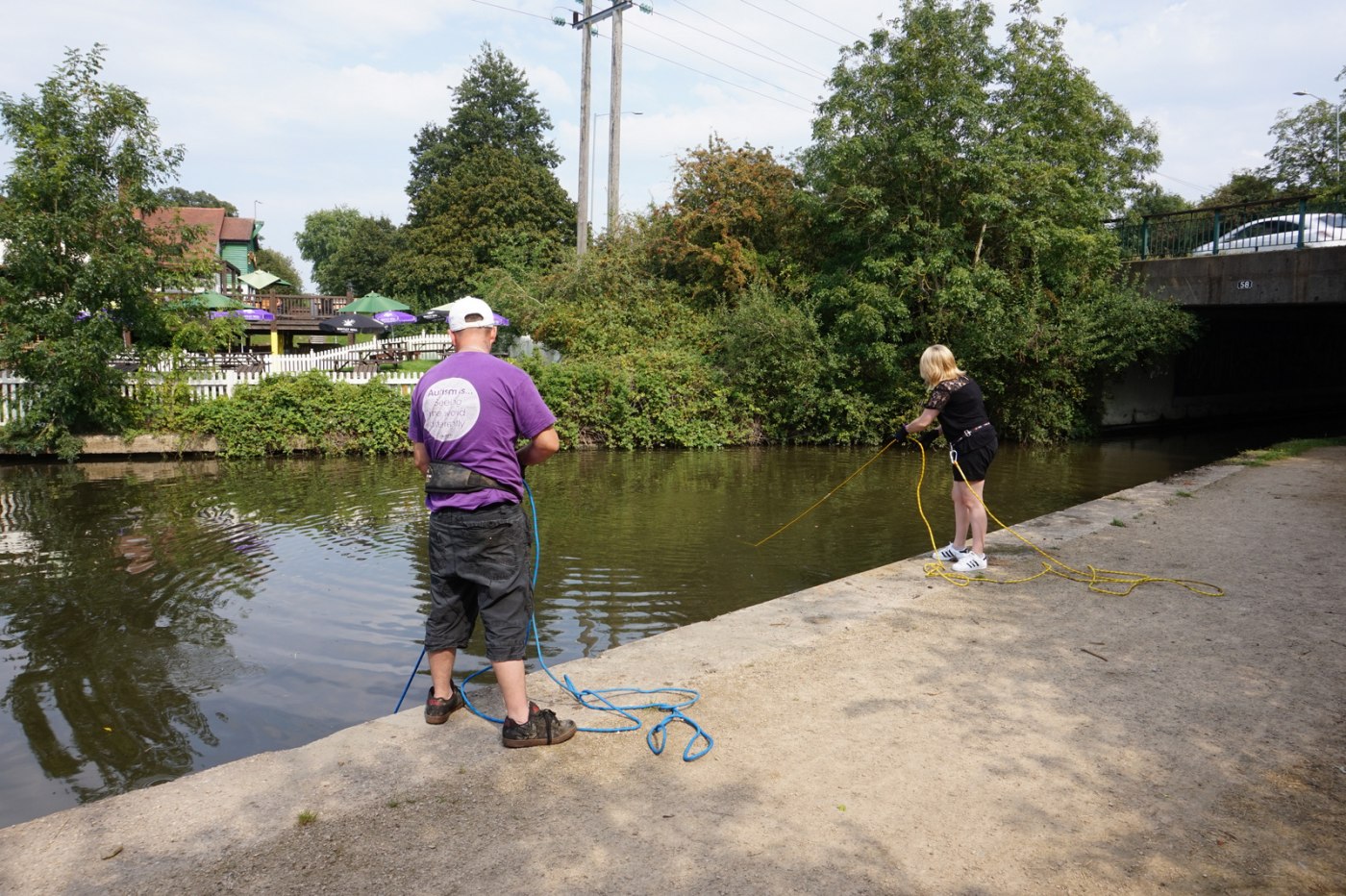
Throw a rope, feel the magnet strike something below the surface, then haul up a piece of the waterway’s hidden history. Magnet fishing turns a quiet bank into a recovery mission: most catches are rusty bolts, nails or scrap, but the uncertainty makes every firm tug interesting. The satisfaction comes from retrieving something real, not from pretending every object is treasure. Use a purpose-made retrieval magnet on a rated rope, working slowly so the line stays controlled and clear of other people. A companion makes the activity safer and more sociable. Take cut-resistant waterproof gloves, sturdy footwear and containers that keep sharp or muddy finds away from hands, clothes, paths and vehicles. Never tie the rope to your body or enter the water to free a snag. Choose the site before the kit. Public access does not equal permission: obtain approval from the landowner and waterway authority, check local rules and keep clear of boats, anglers, wildlife, cables and mooring lines. In Britain, Canal & River Trust does not permit magnet fishing on its waterways, so use an expressly permitted alternative. Stay back from unstable or slippery edges, avoid going alone, and wear a suitable buoyancy aid where the risk assessment calls for one. Plan for every catch, not just the appealing ones. Take scrap away for lawful recycling or disposal and never leave it on the bank. If you recover or expose a weapon, ammunition, suspected explosive, safe or suspicious object, do not handle, move or clean it: withdraw, keep others away and contact the police or emergency services. Completion means one permitted session in which every retrieved item is either handed to the appropriate authority or removed responsibly, leaving the place safer and tidier than you found it.