Go on a wildlife safari and observe animals in their natural habitats
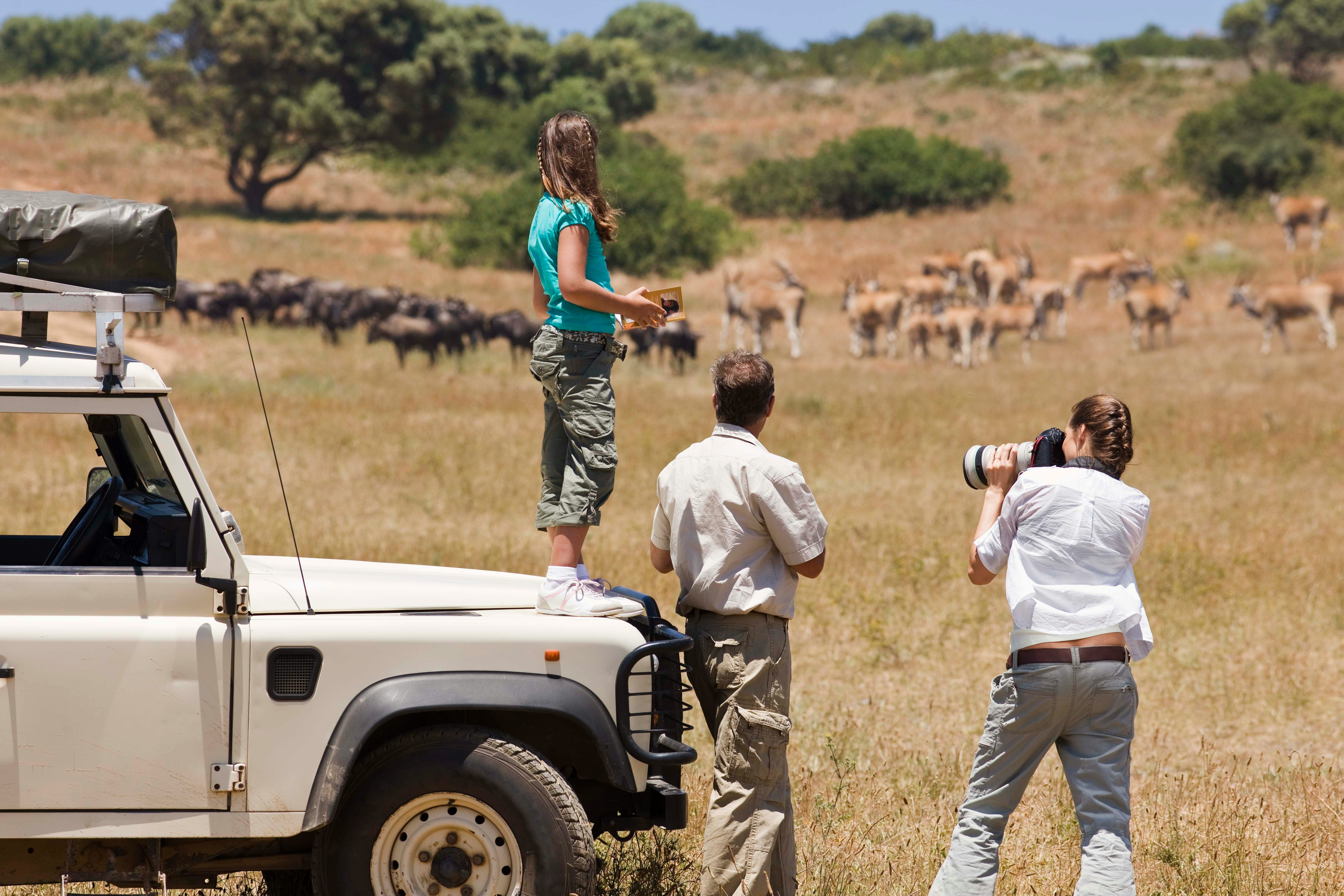
A wildlife safari is patient observation in a functioning habitat, not a guaranteed parade of famous animals. Dawn tracks, alarm calls, dung, birds and changes in vegetation can become as absorbing as a large-mammal sighting. The best guides teach relationships between species and landscape, making an apparently empty stretch of ground part of the story. Choose a licensed local operator that follows protected-area rules, employs trained guides and can explain vehicle limits, community benefit and wildlife policy. Avoid businesses offering touching, feeding, baiting, walking with predators, captive-animal photographs or a promised sighting. Check current destination advice, vaccinations, visas and travel insurance, and disclose mobility or medical needs before committing to rough roads or remote camps. Pack neutral layers, sun and insect protection, binoculars and a camera that does not require approaching wildlife. Stay seated and inside the vehicle unless the guide identifies a permitted safe place. Keep voices low, never call animals closer and do not ask a driver to surround, chase or block them. Maintain distance, yield escape routes and follow instructions immediately around elephants, predators and other potentially dangerous animals. Record species and behaviour without broadcasting precise locations of vulnerable animals in real time. Accept heat, dust, rain and long periods without the hoped-for sighting; uncertainty is evidence that the animals remain wild. Completion is a responsibly guided observation in natural habitat that deepens understanding and leaves behaviour undisturbed—not collecting a ‘big five’ photograph at any welfare cost or treating local people as part of the scenery.