Go sea fishing
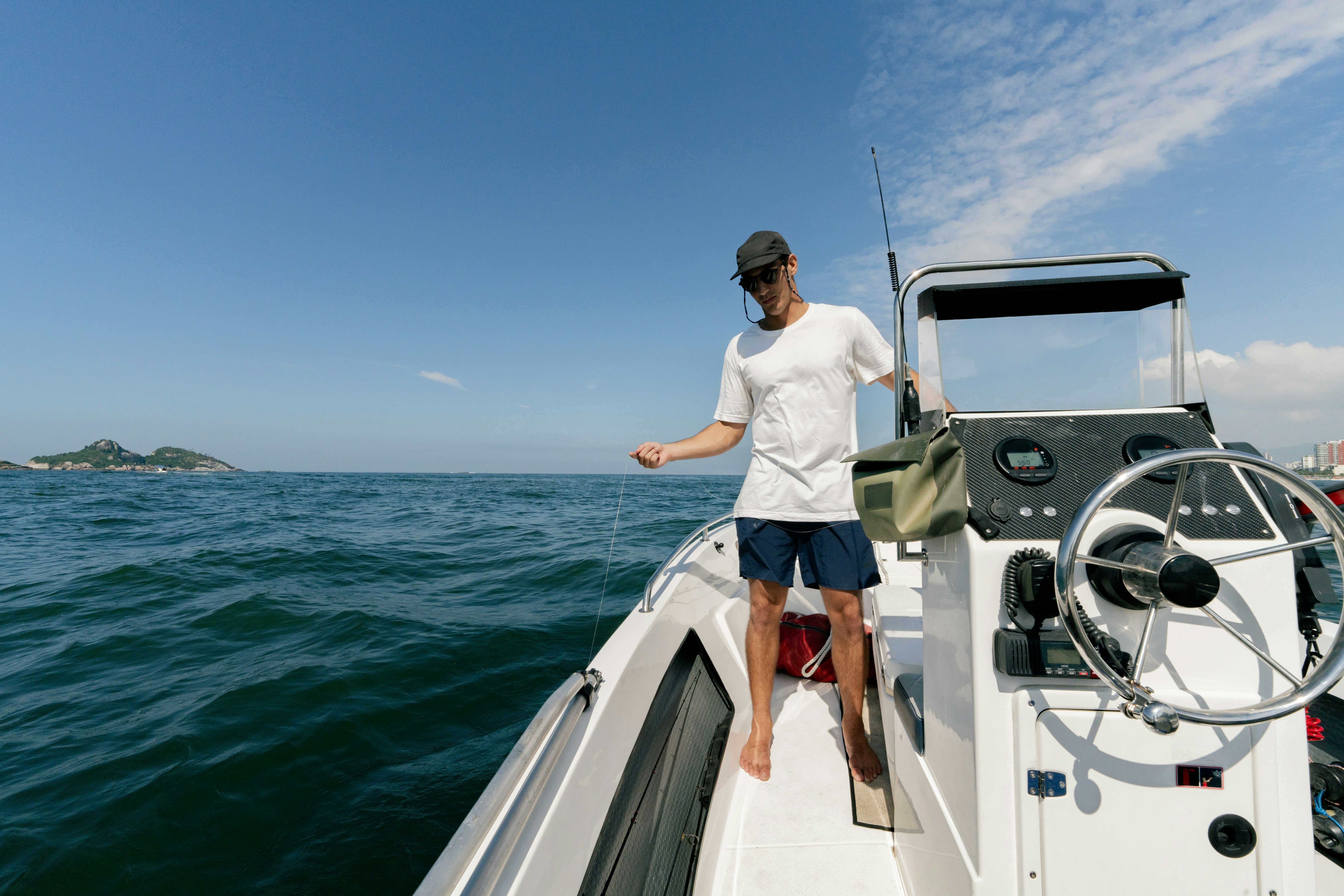
Sea fishing can mean casting from a beach, working lures from rocks or joining a charter to reach deeper water. Tides, weather and habitat shape what happens more than a guaranteed catch. Learning to rig a line, recognise a bite, identify a fish and release or retain it correctly makes even a quiet session an absorbing encounter with the coast. Begin with a reputable local guide, club or licensed charter skipper who supplies suitable tackle, lifejackets and a safety briefing. Ask what the fee includes, how seasickness and cancellations are handled, and whether the vessel carries appropriate certification and emergency equipment. For shore fishing, obtain local advice on access, tides, swell and escape routes; never assume a popular-looking ledge is safe. Check the rules for the exact nation, district, species and date. In England, recreational sea catches must not be sold, local IFCA permits or byelaws may apply, and bass retention has seasonal, daily and minimum-size controls that change. Learn identification before keeping anything, use wet hands and appropriate unhooking tools, return protected or undersized fish promptly and dispose of line and hooks securely. Wear a personal flotation device around exposed water, carry a charged phone or radio as appropriate, and fish with company where a slip could become serious. Stop when weather, tide or visibility deteriorates and follow RNLI and skipper instructions. Completion is a legal, safely planned session that develops practical angling skills whether or not a fish is landed—not filling a bag, selling the catch or staying on an isolated mark as waves begin cutting off the return.