Grow and maintain a full herb garden
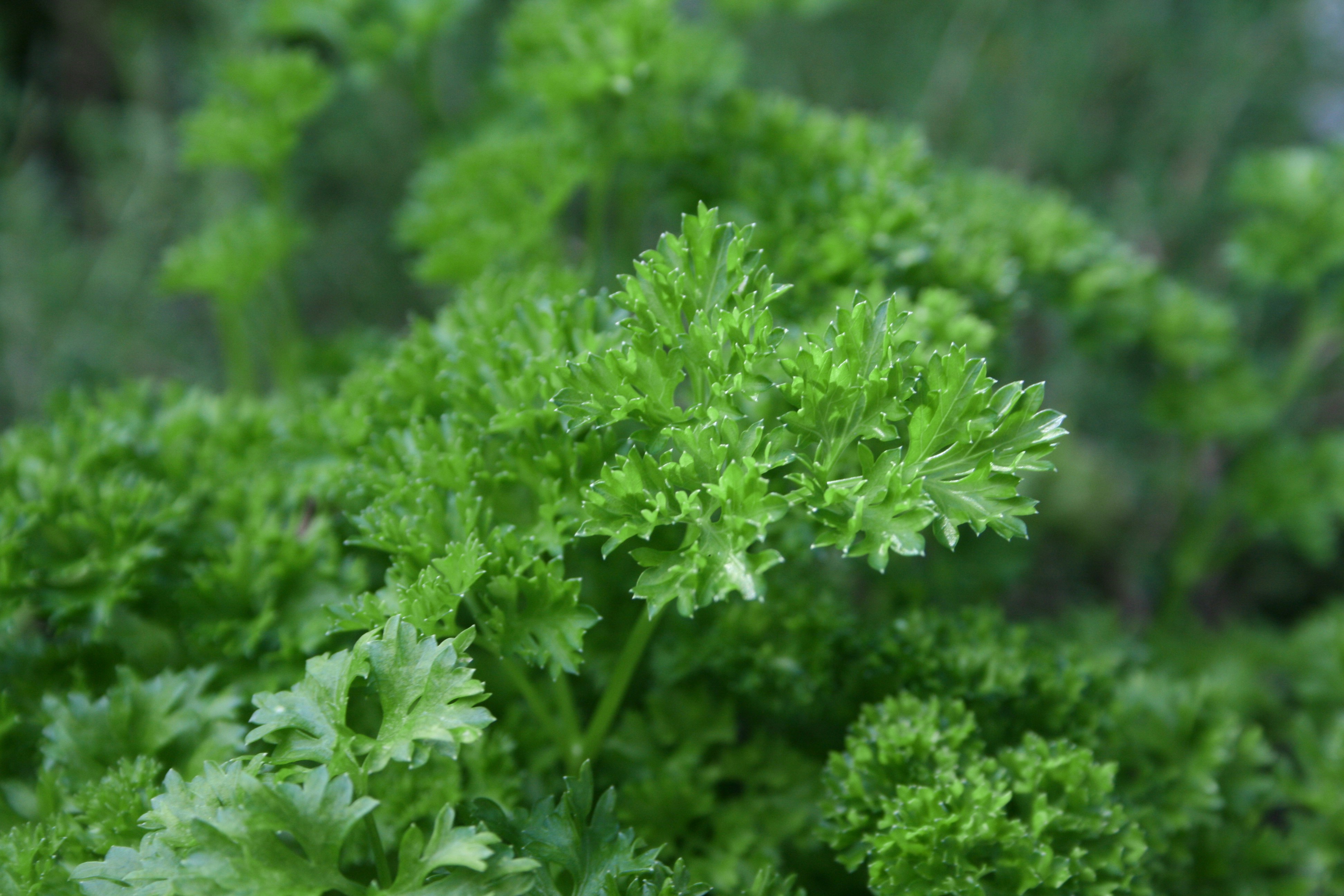
Choose a patch of ground, raised bed, balcony or collection of pots and fill it with herbs you will actually use. Basil, mint, rosemary, thyme, parsley, chives, coriander, sage and oregano all behave differently, so a herb garden quickly becomes more than simply keeping a few plants alive. You learn which ones want full sun, which prefer more moisture, which spread aggressively, and which are happiest being cut back regularly. The satisfying part is maintaining the garden over time. Herbs respond well to harvesting, but they still need feeding, watering, pruning and occasional replacement. Some are annuals that need sowing again each year; others are hardy perennials that can become established for years. Growing several types together also teaches you about soil, drainage, pests, propagation and seasonal growth in a practical way because the feedback is immediate: healthy herbs taste and smell better, while neglected ones quickly show it. Start with a manageable group rather than trying to grow everything at once. Match each herb to the right conditions, keep mint contained, harvest regularly, and learn how to take cuttings or divide plants so the garden becomes more self-sustaining. A full herb garden does not need acres of space; a well-planned set of pots can provide a surprising amount. Add this to your list and build a supply of fresh herbs that keeps earning its place in the kitchen.