Indoor Skydive
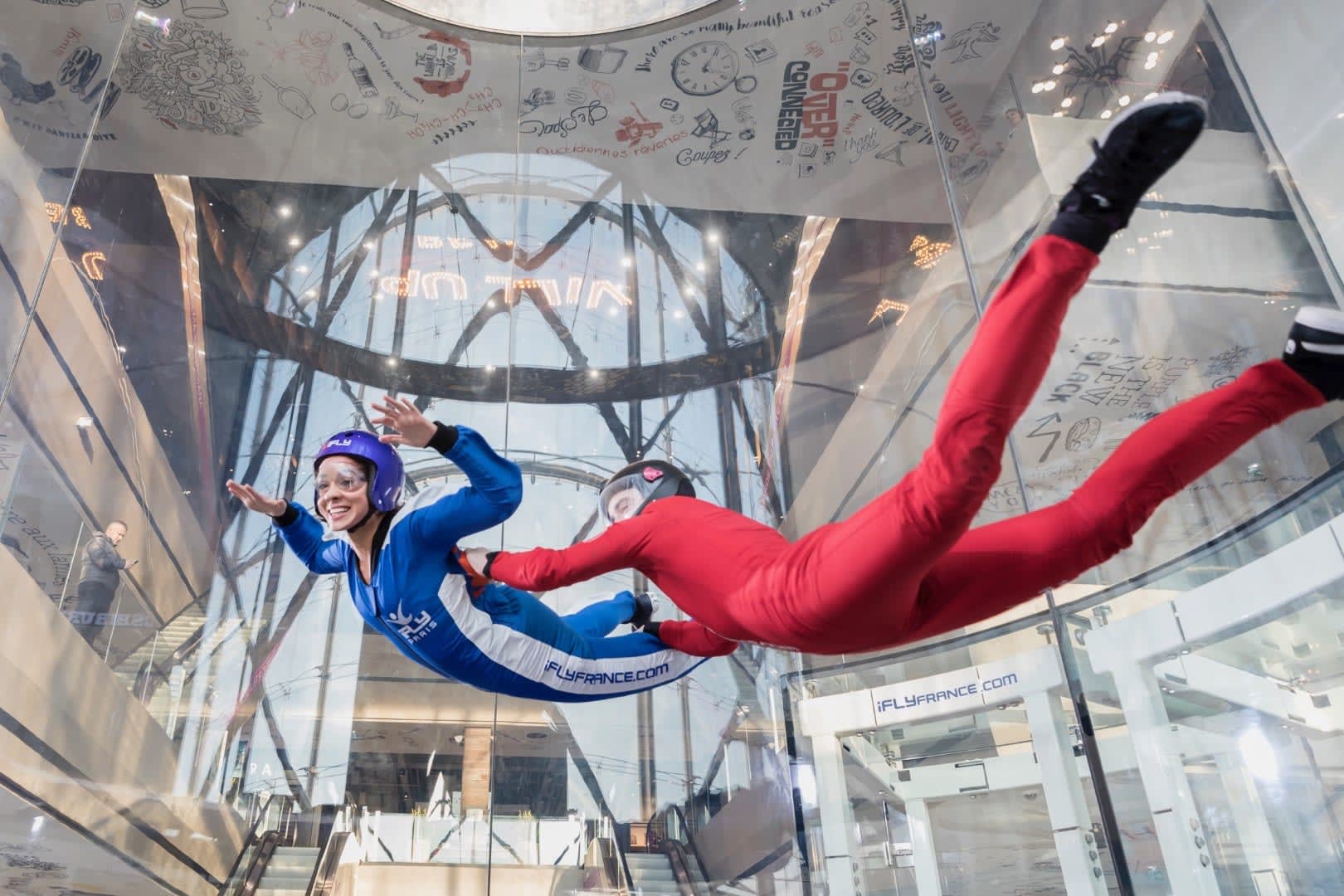
Indoor skydiving uses a vertical wind tunnel to support your body on a column of air, creating the sensation of freefall without an aircraft or parachute. The first flight is brief and highly coached: small changes in chin, hips, arms and legs alter your position immediately. The satisfaction comes from finding a stable shape, not reaching the top of the chamber. Choose an established tunnel with trained instructors, transparent packages and appropriate accessibility support. Check the current age, weight and health rules before paying. UK operator iFLY excludes pregnancy, previous shoulder dislocation, hard casts and intoxication and requires a waiver; other venues may differ. Ask the provider and an appropriate clinician about heart, back, neck, seizure, breathing or mobility concerns rather than concealing them. Wear comfortable clothes and well-fitting lace-up trainers, remove jewellery and loose items and tie back long hair. Use the supplied flight suit, helmet, goggles and ear protection. Watch the briefing, learn the hand signals and enter only when invited. Relax into the airflow, keep the taught position and let the instructor hold or redirect you; fighting the wind makes control harder. Stop if you feel pain, panic, dizziness or breathing difficulty, and accept that high-flight extras depend on instructor judgement. Review the video for body position rather than appearance and consider another session only if the experience suited you. Completion is making at least one supervised flight in a professional vertical wind tunnel—not flying independently, performing tricks, adding the high flight or using indoor success as proof that outdoor skydiving is automatically safe.