Invent Something
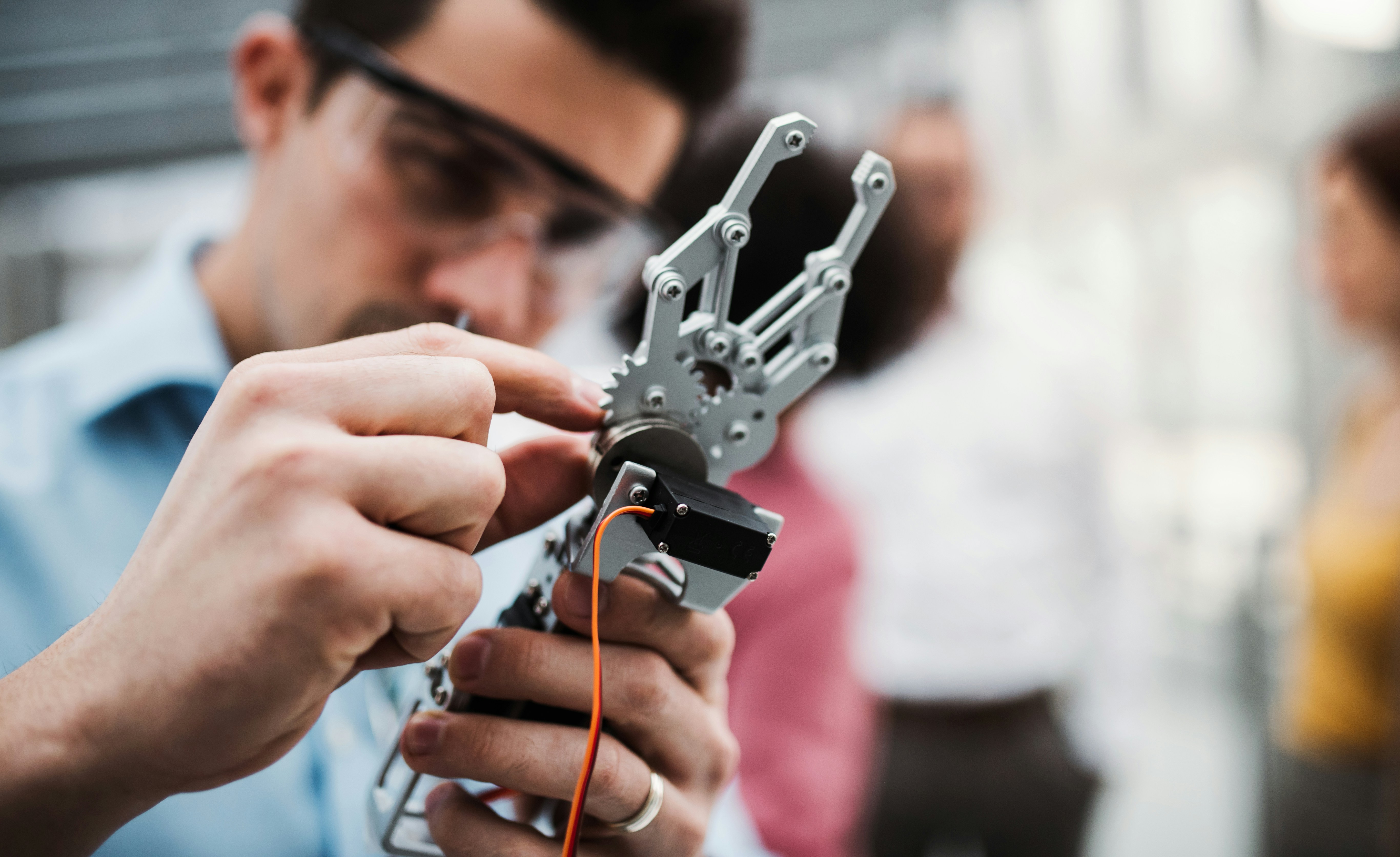
Inventing something begins with noticing a stubborn problem and building a new way to address it. The result might be a tool, mechanism, process or modest improvement rather than a world-changing machine. What makes it an invention is the tested technical idea and the learning embodied in a working prototype, not a dramatic reveal or an immediate patent. Write a clear problem statement, observe how people currently cope and list constraints such as safety, cost, materials and accessibility. Search products, research and published patents before investing heavily; the UK Intellectual Property Office provides a patent search and PatLib support. Record sketches, dates, tests and contributors, and agree ownership in writing when employers, contractors or collaborators are involved. Build the cheapest safe experiment that tests the riskiest assumption, then change one thing at a time. Use appropriate guards, ventilation and protective equipment, and get qualified help for electricity, pressure, chemicals, medical use, children's products or load-bearing parts. Invite honest feedback without overstating what the prototype can do. A failed version is useful when its result is recorded rather than hidden. Before publishing details, consider intellectual-property advice: IPO guidance warns that public disclosure before filing can prevent a patent, while patents are only one form of protection and can take years. Decide whether to file, keep information confidential, register a design, use copyright or simply share. Completion is creating and testing an original functional solution to a defined problem—not obtaining a patent, starting a company or claiming novelty before searching what already exists.