Join the Stem Cell Donor Register
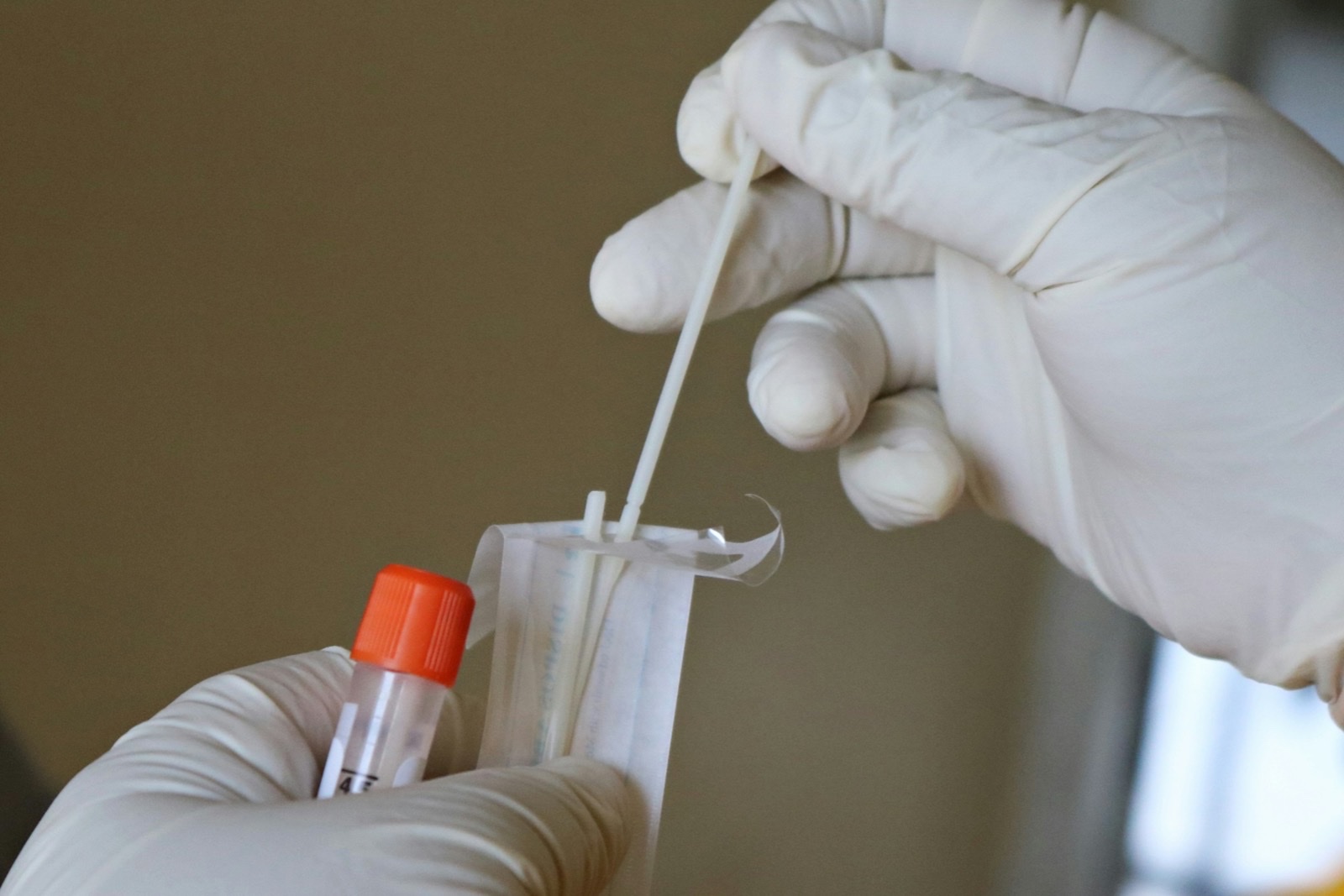
Rub a swab inside your cheek, post it back and place your tissue type into a search that could one day connect you with a stranger who needs a transplant. Joining a stem-cell register is simple at the start and potentially significant much later, although most registered donors are never called. Stem-cell transplants can treat blood cancers and other serious disorders. Matching depends heavily on inherited tissue markers, so a large, diverse register gives patients a better chance of finding a compatible donor. If selected, further tests follow. Donation is usually through the bloodstream after preparation injections; a smaller proportion of donors give marrow under general anaesthetic. Read the current eligibility rules of an official UK register before applying. Anthony Nolan currently recruits people aged 16 to 30, while other routes may use different criteria. Joining is free, but it is a long-term commitment: keep contact details updated and consider both donation methods carefully before registering. The medical team will explain risks and obtain consent again if you match. Talk to family or somebody you trust if the possibility of later donation worries you. You remain entitled to withdraw, but an unexplained late withdrawal can be difficult for a patient whose treatment has begun. Add this to your list only after informed thought, then complete and return the swab rather than leaving the pack in a drawer.