Learn a complicated recipe and cook it for your friends
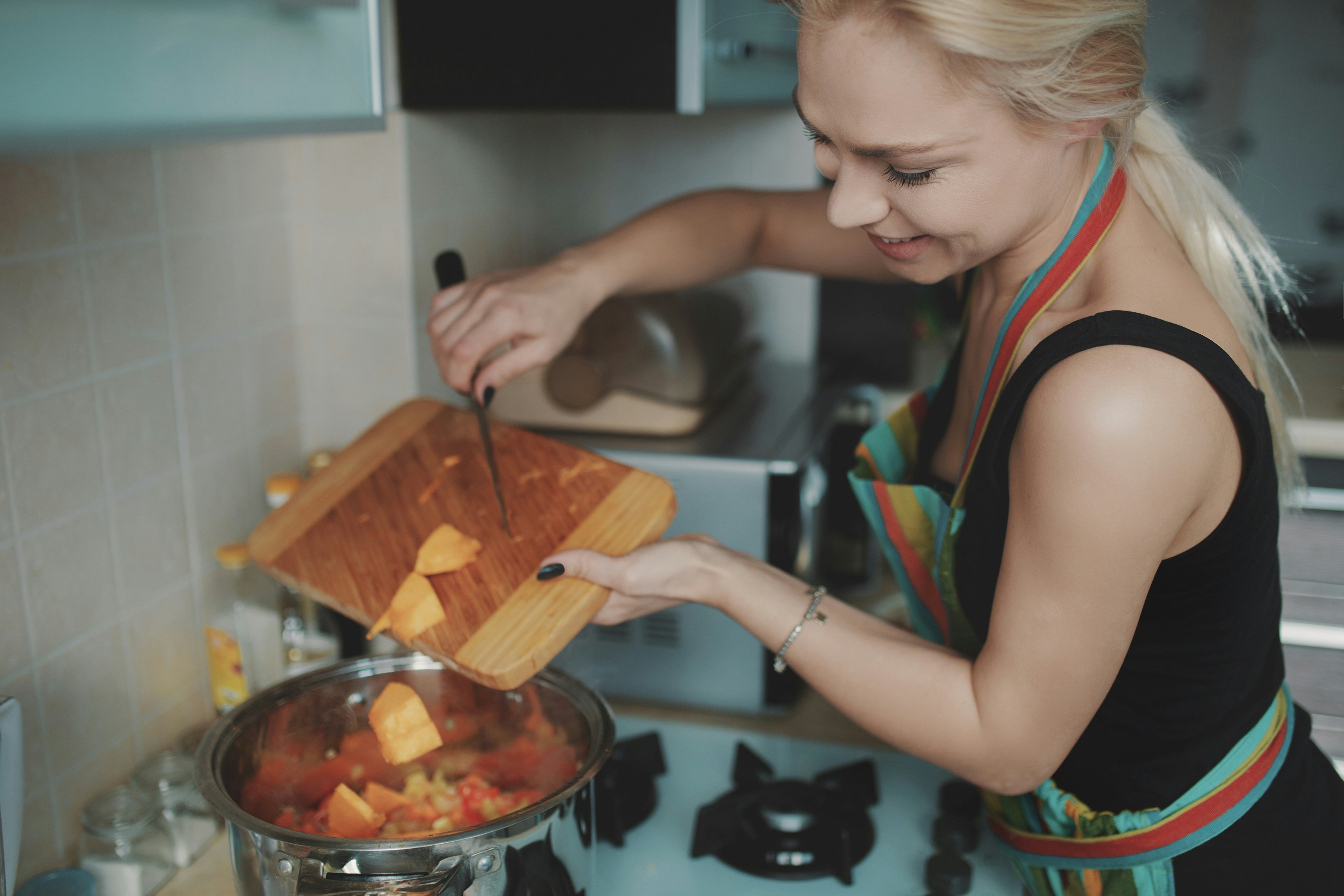
A complicated recipe becomes manageable when you stop treating it as one heroic burst of cooking and start seeing its separate techniques, timings and decisions. Choosing a dish worth sharing adds a generous purpose: the finished meal is not merely evidence that you followed instructions, but an evening shaped around friends, conversation and something you learned to make well. Select a reliable, clearly tested recipe and read every stage before shopping. Check equipment, fridge and oven capacity, serving time and which components can be prepared ahead. Ask each guest directly about allergies, intolerances, dietary requirements and strong dislikes; inspect labels on sauces, garnishes and other packaged ingredients, and change the menu if you cannot prevent allergen cross-contact safely. Practise the hardest technique or make the whole dish once before the invitation. On the day, write a backwards timetable, weigh ingredients, clear work surfaces and prepare serving dishes early. Follow Food Standards Agency guidance on cleaning, cooking, chilling and avoiding cross-contamination: keep raw foods away from ready-to-eat ingredients, observe use-by dates and verify that food requiring thorough cooking is safely hot throughout. Build margin into the plan and choose a simple starter or dessert so one demanding centrepiece receives your attention. If timing slips, tell your guests and serve something safe rather than rushing undercooked food. Make room for them at the table instead of spending the entire evening performing from the kitchen. Completion is learning one genuinely challenging recipe, cooking it safely and serving it to invited friends—not reproducing a restaurant photograph perfectly, hiding mistakes or choosing complexity that makes hospitality miserable.