Learn CPR
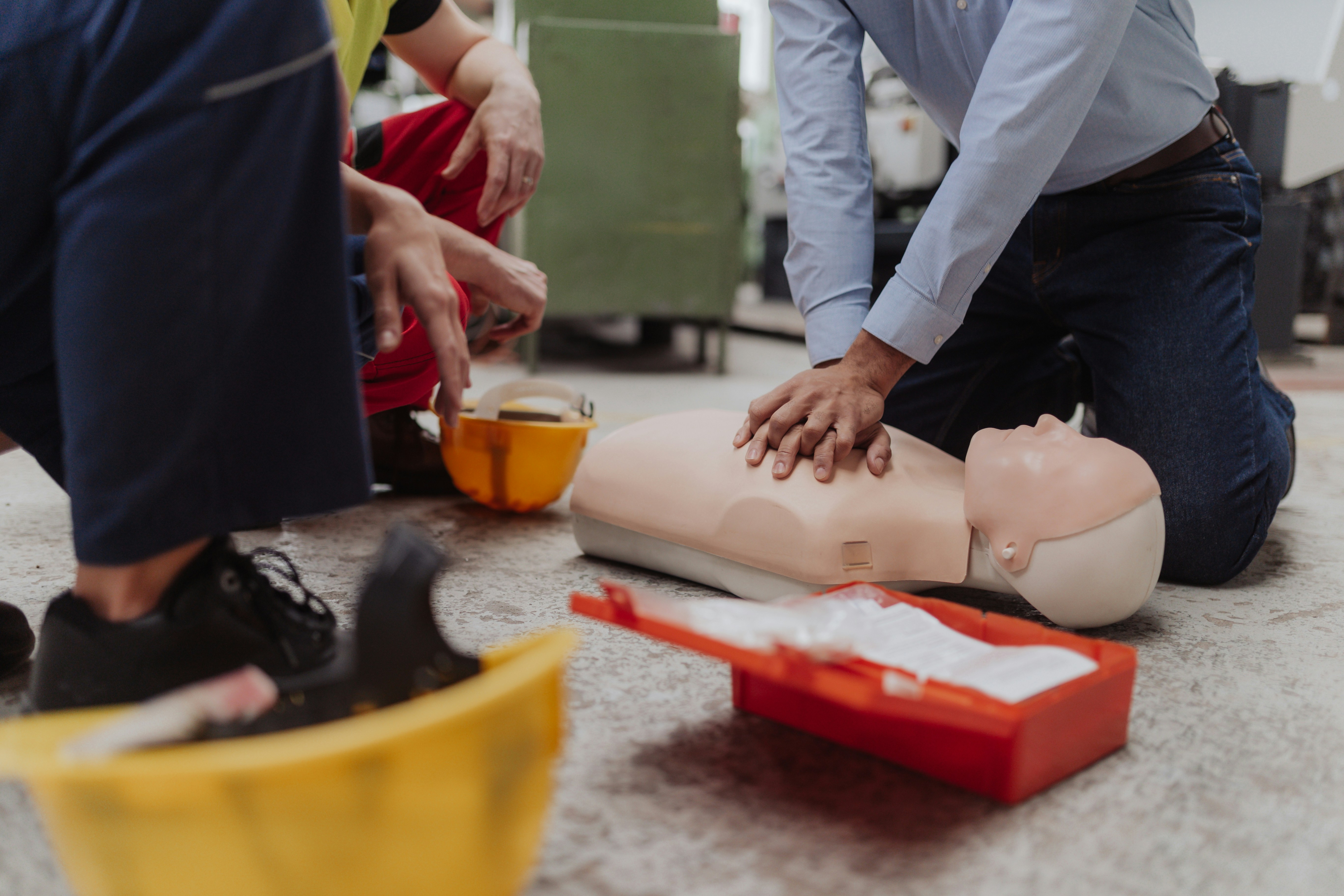
Learning cardiopulmonary resuscitation replaces helplessness with a simple rehearsed response when someone is unresponsive and not breathing normally. Chest compressions and early use of an automated external defibrillator can sustain a chance of survival while an ambulance is coming. The value lies in acting promptly and following current guidance, not in feeling like an expert. Take a practical UK community CPR and AED course whose teaching follows current Resuscitation Council UK guidance. Choose training appropriate to your role: general awareness is different from workplace, paediatric or healthcare responsibilities. A good session uses manikins, lets you practise calling for help and includes safe AED simulation rather than relying only on slides or a certificate quiz. Learn the sequence of checking that it is safe to approach, assessing responsiveness and breathing, calling 999 or 112 and starting the compressions taught. Practise hand position, depth, rate, recoil and changing rescuer, then switch on the training AED and obey its prompts. In a real event, the emergency call handler will guide you; do not delay action while searching for a pulse or perfect recall. Refresh the skill regularly because physical technique and confidence fade, and locate AEDs at places you use often without assuming an app will replace the 999 call. Never practise compressions on a conscious person. Completion is attending hands-on training and demonstrating the adult CPR/AED sequence to the instructor's standard—not guaranteeing an outcome, earning a medical qualification or withholding help in an emergency because your certificate has expired.