Learn to bake and master a variety of delicious desserts
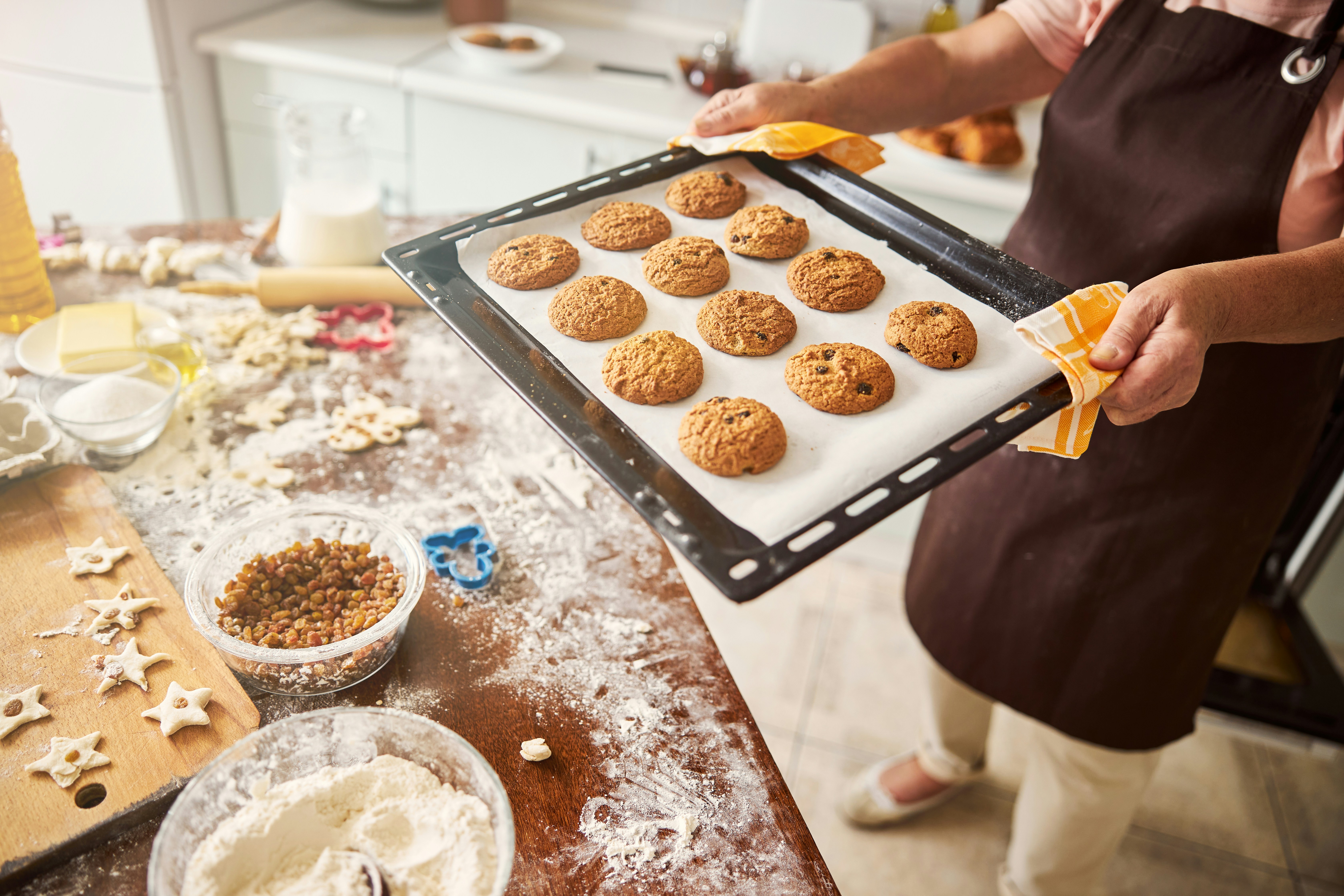
Mastering desserts means learning why different mixtures behave as they do, not collecting increasingly elaborate photographs. A sponge depends on aeration, pastry on controlled gluten and temperature, custard on gentle heat and meringue on stable foam. Moving across those families builds judgement that lets you spot a problem before it reaches the table. Choose a reliable course, book or teaching series and define a varied set of five desserts: for example cake, pastry, set custard, fruit dessert and meringue. Read each recipe fully, use the specified tin or dish and weigh ingredients accurately. Check allergies and dietary requirements before choosing what to share; flour, milk, eggs, nuts and other regulated allergens appear frequently in baking. Practise one unfamiliar technique at a time, keeping notes on ingredient temperature, mixing, oven position and result. Preheat properly, use oven gloves and keep raw egg mixtures and flour mess away from ready-to-eat food. Follow Food Standards Agency advice on cleaning, cooking, chilling and cross-contamination, especially for egg-rich custards, cream fillings and desserts that must be refrigerated. Repeat a failed bake after diagnosing the likely cause rather than hiding every result under decoration. Learn to recognise doneness through the recipe's reliable cues and cool, fill, store and transport each dessert safely. Completion is successfully making five genuinely different desserts, repeating at least one until consistent and explaining the technique each taught you—not buying specialist equipment for every recipe, selling food without meeting business requirements or making richness and complexity the only measures of quality.