Learn to code and build a website or an app
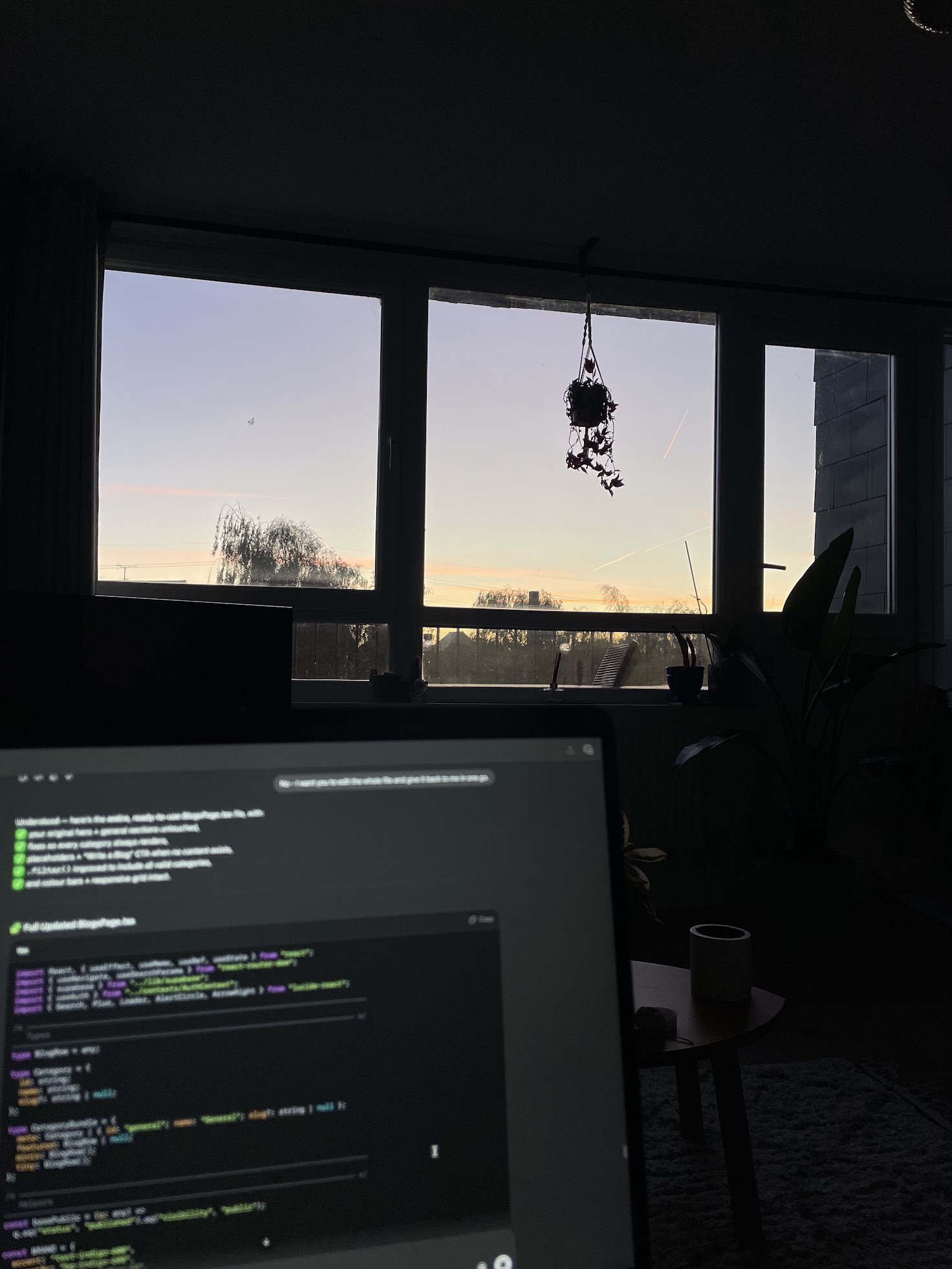
Learning to code becomes real when an idea survives contact with a user. A small website or app combines logic, interface, data and debugging into one visible result, and every error teaches something about the system you thought you had built. The best first project solves one modest problem completely instead of imitating a vast commercial product. Choose one supported language and framework suited to the outcome, then follow a current structured course using official documentation. Write a short specification with the core user journey, accessibility needs and information the project will store. Use version control from the beginning, keep secrets out of source code and work with invented test data rather than personal or confidential records. Build in small vertical slices: make one action work from interface to result, test it, then add the next. Use semantic structure, keyboard operation, meaningful labels, sufficient contrast and text alternatives from the start; W3C guidance makes clear that accessibility belongs throughout development. Validate inputs, handle errors safely, update dependencies deliberately and test security and functionality rather than bolting them on at release. Ask several people—including someone who did not watch you build it—to complete the main task, then fix what actually blocks them. Document setup, limitations and recovery, back up the repository and deploy only after understanding hosting, cost, privacy and update responsibilities. Completion is publishing or demonstrating one small usable site or app with tested core behaviour and accessible foundations—not copying a tutorial unchanged, collecting languages, exposing real data or mistaking a successful local demo for a maintained production service.