Learn to identify constellations and stargaze at night
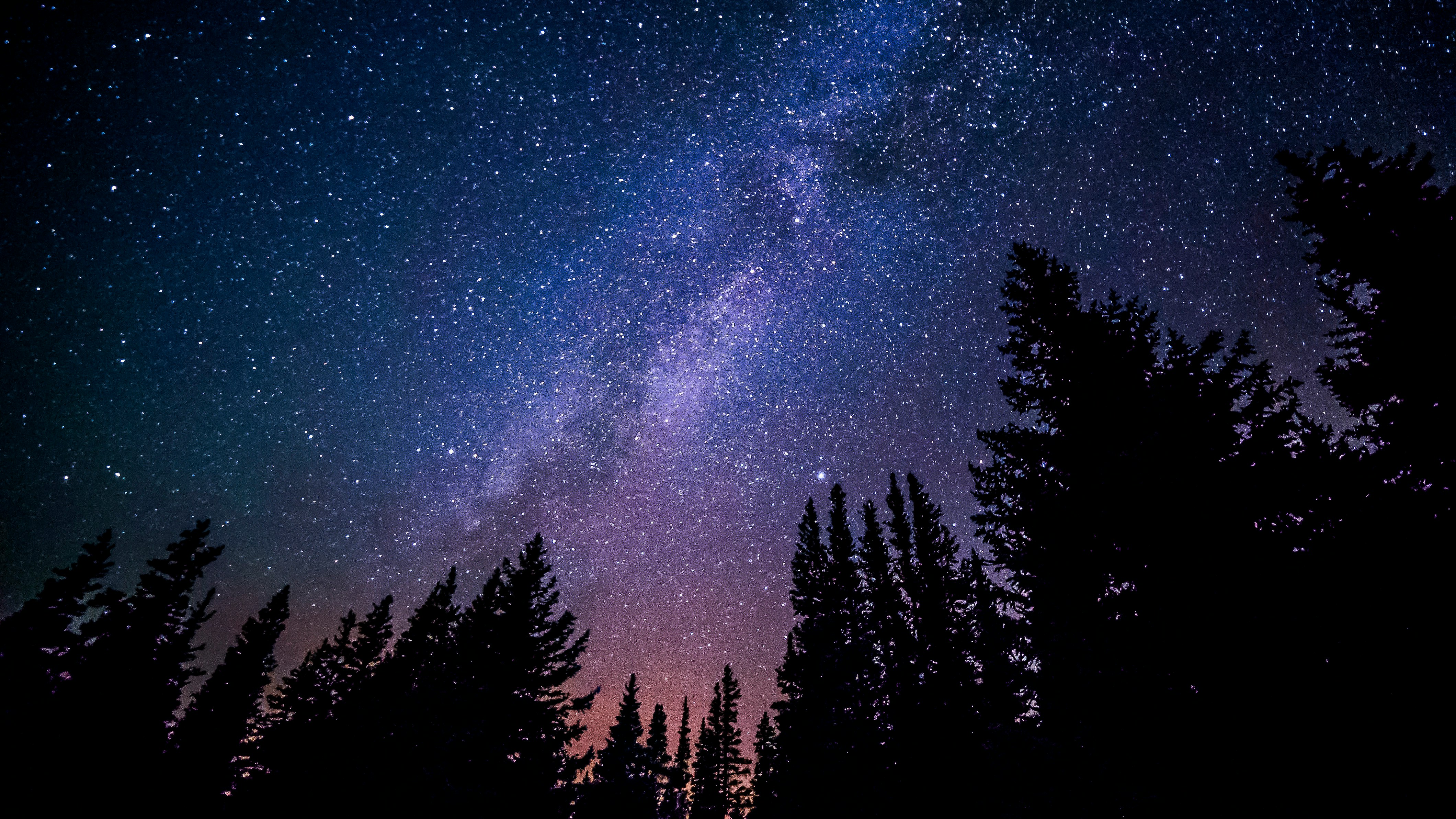
Step outside after dark, give your eyes time to adjust, and start turning a sky full of apparently random stars into something you can actually read. Begin with one or two easy patterns, trace the lines between their brightest stars, then use them as signposts to find others. Before long, familiar shapes start appearing overhead and the night sky stops feeling anonymous. Constellations are patterns humans have imposed on the stars, often carrying stories from different cultures and traditions. Modern astronomy recognises 88 official constellations covering the entire celestial sphere, but you do not need to learn anywhere near that many to become comfortable stargazing. Learning a handful of prominent constellations, bright stars and seasonal changes gives you a practical framework for finding planets, meteor showers and deeper-sky objects later. Start somewhere with as little artificial light as possible and use a stargazing app, star chart or beginner astronomy guide to orient yourself. Learn two or three constellations at a time rather than trying to memorise the whole sky, and revisit them through the year as different patterns become visible. Binoculars can open up star clusters and other objects once you are ready, but your eyes are enough to begin. Add this to your list and learn to recognise what is above you instead of simply looking up.