Learn to Throw a Boomerang
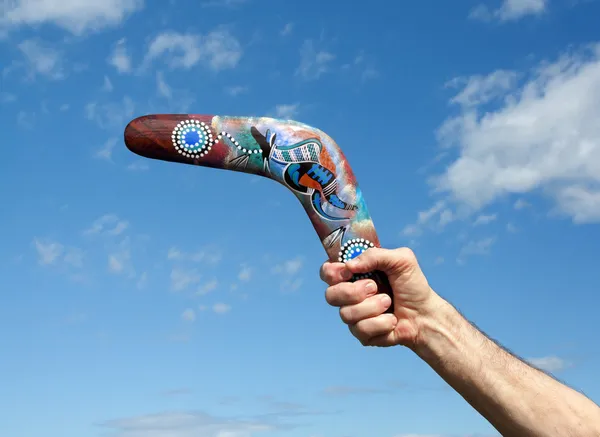
A returning boomerang traces a curving flight that can bring it back towards the thrower, turning aerodynamics into something you can see. Success depends less on brute force than on the correct model, angle, spin, wind and release. The first complete return feels like a conversation between the object and the moving air. Learn from an experienced thrower or a reputable boomerang association and use a lightweight beginner returning model suited to your handedness; not every boomerang is designed to return. Read the maker's range and wind guidance. Acknowledge the object's Aboriginal Australian origins and the diversity of First Nations throwing tools without presenting a recreational modern returning boomerang as a complete account of those cultures. Choose a large, level grass field with a safety radius well beyond the model's stated range, and keep every person, animal, road, building and overhead cable outside it. Wear eye protection if advised and never throw in strong or gusty wind. Throw only when the entire flight area is visible, use the recommended near-vertical release and watch the boomerang continuously. Let an uncertain return land rather than running backwards or making a desperate catch. Learn the safe two-handed sandwich catch only after the flight is predictable, and stop if spectators enter the field. Completion is producing several controlled returning flights and safely catching at least one suitable boomerang—not throwing a hunting stick, using a heavy souvenir, testing near a beach crowd or expecting every attempt to arrive neatly in your hands.