Learn to Write With Your Other Hand
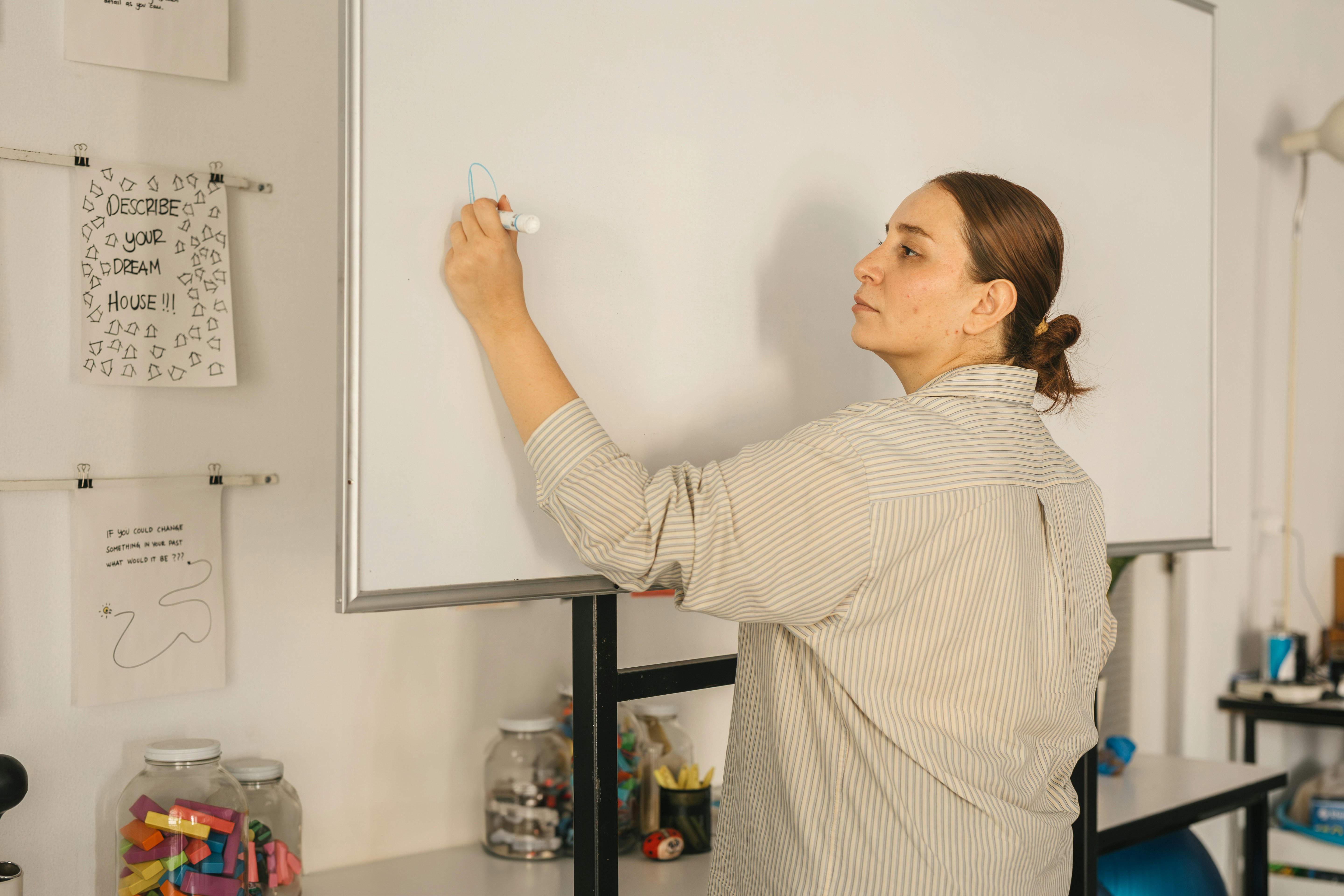
Writing with your non-dominant hand turns a familiar action back into a visible learning process. Letters that normally appear without thought become a sequence of deliberate lines, spacing and pressure. The result may never replace your usual handwriting, but gaining a legible second option is a satisfying exercise in patience and fine control. Choose a comfortable pen or pencil with an easy grip and begin on large, lined paper at a clear desk. Establish a relaxed seated position, support the forearm and angle the page for the writing hand rather than copying your dominant-side setup. If injury or illness has changed your hand function, seek advice from an occupational therapist or clinician instead of treating this challenge as rehabilitation. Warm up with straight lines, curves, circles and repeated letter shapes, then copy your name and one short sentence slowly. Practise for five or ten minutes, prioritising relaxed movement and readable form over speed. Notice excess pressure, cramped fingers or a raised shoulder and pause to reset. Stop if discomfort persists, and use a thicker grip or other adaptation only when it genuinely helps. Date a sample each week and progress to a short note, address or shopping list without tracing. Compare consistency and legibility rather than expecting the handwriting to resemble your dominant hand. Completion is writing a clearly readable paragraph with your other hand at a calm, sustainable pace—not changing your natural handedness, proving a claim about brain power or continuing through pain in pursuit of identical penmanship.